In his remarkable book, Badass Retirement, author Robert Pagliarini includes a chapter titled “Upgrade Health.” His message is simple for people who want to escape average retirement: think and act like an athlete. He posits that professional athletes “invest their time and energy into improving their performance.” They work hard at it to avoid injury, recover quickly if they do get hurt, and achieve the highest possible energy and stamina for years, even decades. He stresses that retirees should have these exact same goals – and I agree one hundred percent.
My wife and I are now in our second year of retirement, and one of our top priorities since we left employment is to get in better physical shape and maintain a healthier lifestyle than we did during our working years. We are paying closer attention to what we eat and drink (well, better than we once did). We are also wearing the right kind of clothes and shoes for our new lifestyle. We are paying more attention to our bodies and making sure we get the medical care we need. We believe in the value of vaccinations and medication.
Perhaps the most significant change in retirement related to our health is our increased focus on physical fitness. Much of our time is now discretionary, and we are devoting more of it to a variety of exercise options including weight training, cardio activity, Pilates, walking, and hiking. We both have trainers we work out with at least once a week. We have pickleball paddles and hope to learn how to play this game that has swept across America and is attracting all ages, not just seniors.
Dan Kinney Family Center, Springfield, MO
We are fortunate to live in a community that offers ample opportunities for indoor and outdoor recreational activities. Our city and county have an excellent trail system for walking, hiking, and biking. Some of the trails connect to surrounding towns. We have a nature conservation area, a botanical garden, a historical landmark park, and several outdoor green spaces with hiking trails, paved walkways, creeks, and ponds.
Springfield (MO) Botanical Center
Because we are both over age 60, we get an extra benefit through our local park board in the form of a deep discount on membership at their fitness centers. We can reach the one closest to our house in about ten minutes. This family center has a multi-use court for pickleball, basketball, volleyball, children’s inflatable bounce houses, and group exercise programs like SilverSneakers. There is a walking track on the second floor that circles the court. There is an outdoor paved walking track too. The center is equipped with a wide variety of dumbbells, weight machines, treadmills, bikes, ellipticals, stair steppers, and much more. The center also has meeting space and separate rooms for small classes and individual training.
We are making a concerted effort to exercise several times a week, with two days of weights, at least one day of cardio, and 2-3 days of alternate activity like walking or Pilates. We live in a subdivision that is great for walking. If possible, we also try to include exercise as part of our daily routine when we travel, taking advantage of hotel and condo fitness rooms or just walking nearby trails or in neighborhoods. We look for public gardens, arboretums, and greenways for walking too. When we are away from home for extended periods of time, we purchase a temporary membership at a fitness center so we can maintain our weight and cardio routines.
Springfield (MO) Conservation Center
Hiking has always been a favorite activity for both of us, even before we met and got married. I have written about our hiking adventures a few times in this blog. When we travel, we look for fun and scenic places to hike. Phoenix, the Sonoran Desert, San Francisco, Lake Erie, Joshua Tree National Park, Yosemite, Mount Hood, and various locations in the Ozarks and Appalachia are just a few places we have hiked. We have walked or hiked in temperatures from 13 to 90 degrees Fahrenheit, in light rain and sunshine, and in all four seasons.
Sometimes it’s not easy to get motivated, but we know we need to keep moving, strengthen our core, develop and maintain muscle tone, protect our bones, keep our hearts healthy, and improve our balance. Robert Pagliarini makes a valid point to keep in mind in his badass book on retirement. “The most important asset you have is your health, but knowing what to do when it comes to nutrition, supplements, and fitness feels like a moving target for a good reason. If there is one area that changes more than any other, it’s health.” Medical professionals agree that exercise is essential to staying healthy, and we intend on staying as healthy as possible as we age. After all, we’ve got places to go, people to see, things to do!
Here is a classic that I had never read, mainly because the subject was not of great interest to me. However, Sinclair somehow tapped into the consciousness of turn-of-the-century America with this fictional manifesto on the evils of capitalism and the virtues of socialism, although a great portion of today’s U.S. population would likely dismiss the novel, as socialism is considered the worst possible form of government, especially among conservatives. They may be surprised to know Sinclair’s book became a bestseller, originally released as a serial in 1905.
The novel was really intended to promote socialism as a just and successful alternative to capitalism, but the reading public apparently took it more as an exposé on the unsanitary and brutal conditions of the U.S. meatpacking industry, particularly in Chicago. The author doesn’t drive home his intended argument until the end of the book when several prophets are introduced literally “preaching” the gospel of socialism. The novel’s protagonist, a Lithuanian named Jurgis Rudkus, finally understands why socialism is the solution after his life has been ruined as an immigrant laborer. He contemplates how “the whole balance of what the people produced went to heap up the fortunes of these capitalists, to heap, and heap again, and yet again – and that in spite of the fact that they, and every one about them, lived in unthinkable luxury!”
One could argue that this novel still speaks to the great disparity of wealth that exists in America today, especially as the term “oligarchy” has become a common descriptor of the country’s economic condition. Instead of the hopelessness of independent small farmers presented by the author at the end of the book, the shrinking American middle class employee nevertheless identifies with being “held to a bare existence by competition in labor, and boasting of his freedom because he is too blind to see his chains.”
What is truly remarkable about The Jungle is the influence it had on government policy and regulation. Public outrage over the novel’s graphic descriptions of unsanitary conditions in the meatpacking plants directly led the U.S. government to pass the Pure Food and Drug Act and the Meat Inspection Act in 1906. This muckraking novel remains a powerful and relevant work that continues to be studied for its depiction of social injustice, workers’ rights, and the impact of industrialization.
The Good Earth by Pearl S. Buck
This is another one of those classics that I never read, but I’m so glad I did. The Good Earth is in many ways a sad story with characters who are genuinely believable because they are all flawed in some way. And true to life, some of the most virtuous are the ones who struggle the most and have the worst luck. As the title implies, the lives of the characters in the generations leading up to the novel’s time have always been tied to the land, but there are always tensions close at hand that could end that bond.
Because of the time setting in the early 20th century, Buck’s story feels a bit like Steinbeck’s Grapes of Wrath, only set in China. The writer’s style makes it feel more like a long parable that mimics a Biblical narrative – straightforward language that is short on adjectives and adverbs. The sentences almost sound like they could have been written in the 16th century. The book features classic storytelling and character development, worthy of the Pulitzer it won.
The House of Mirth by Edith Wharton
Edith Wharton was one of those writers who had an absolute mastery of the English language. I rank her skills up there with Thomas Hardy and Henry James. She was also a best-selling author, largely due to the success of this novel published in 1905. And although it is not the first feminist novel, it is one of the early notable ones to my way of thinking. In painting her portrait of the prescribed social structure of high society New York City in the late 19th century, she cast a slightly jaded eye toward the way women were at a significant disadvantage just because of their gender in a patriarchal world.
Although it is worth noting there are some very wealthy and powerful women in the novel, most often their status is tied back to the men in their lives. The leading “lady” of the novel, Lily Bart, sums it up very succinctly with this observation about marriage, “Ah, there’s the difference – a girl must, a man may if he chooses.” A little later Wharton has Lily contemplate further on the thought. “Why must a girl pay so dearly for her least escape from routine? Why could one never do a natural thing without having to screen it behind a structure of artifice?” These questions speak as much to the stifling societal pressures as they do to sexism, where manipulation and subterfuge among women in high places is ruthless.
In another reflective moment, Lily claims that all men have to do to get their way is to be passive and wait; while she has “to calculate and contrive, and retreat and advance, as if I were going through an intricate dance, where one misstep would throw me hopelessly out of time.” This is terribly ironic because a few missteps throw here way off balance.
Wharton reveals how self absorbed these high rollers are: “they had a force of negation which eliminated everything beyond their own range of operation.” The author even becomes a fortune teller at one point, predicting how a young Truman Capote would insert himself into this New York scene several decades later, when she describes one of the male characters “who meant to live on proof-reading and write an epic, and who now lived on his friends and had become critical of truffles.” It’s always about who you know, with whom you are seen and associated, and what you are wearing, especially for the women.
We Have Always Lived in the Castle by Shirley Jackson
Delicious! That is the best adjective I can come up with to describe Shirley Jackson’s writing, and this novel is a prime example. She is a worthy beneficiary of masters like Hawthorne and Poe in the American Gothic tradition. I have read her short stories, including her most famous, “The Lottery;” however, I think this is the first of her novels I have ever read.
In this rather macabre story, Jackson skillfully keeps her readers in the dark just enough to propel them forward to discover how the tragic events revealed in the beginning of the book unfolded and who is responsible. But this is no simple murder mystery. Jackson is opening metaphorical doors to hidden rooms filled with mob psychology, the complexities of family, sisterly bonds, and a touch of madness.
The concept of “innocence” and its multiple meanings are at the heart of this story. It is at times horrific, but not in the sense of a Stephen King novel. There is a sense of foreboding that seeps into our heads like an invasive vine that weaves its way through every space until, before we know it, we are surrounded by an inescapable terror.
Dear Edna Sloane by Amy Shearn
Of the four Amy Shearn novels I have read thus far, this is my favorite. She is somewhat of a writer’s writer, and Dear Edna Sloane is Exhibit A in that argument. Written from the viewpoint of multiple characters through the vehicle of various communications methods (letters, emails, phone texts, etc.), Shearn tells the story of a young female author whose first and only published book was a runaway bestseller. And then she disappeared from the public eye, and seemingly from all of society, for decades. Fast forward and a young aspiring but as yet unsuccessful writer is trying to find her.
Dear Edna Sloane is cleverly written and so perfectly spot on with the language, antics, anxieties, and drama of the twenty-something professionals from 2018. But when Sloane does re-emerge, although reluctantly, Shearn really turns up the volume and pulls out the magic. I see hints that Shearn may be familiar with the life of Flannery O’Connor when Sloane recalls her struggles with professors, editors, and agents, all of whom were male and not exactly upstanding gentlemen.
There are so many passages in this book that I marked. Shearn knows how to tell a story while also imparting some heavy truth through the voices of her characters. And she does it without preaching or knocking us over the head. She is an entertaining writer, which I find to be all too rare these days among authors of modern fiction. Shearn has a few sections in this book that could easily be read as a writer’s manifesto. Edna Sloane has such a jaded view of writing and publishing, but even more so of the reading public, most of whom judge the worth of a book based on whether or not it has been made into a blockbuster film.
Shearn touches on some of her familiar themes here from her other novels, such as the unrealistic expectations of wives, mothers, and professional women. For instance, here is a golden passage about a woman from the story who married a doctor: “It felt like a way of securing a life without having to make a living. But as generations of housewives and queens can attest, that doesn’t necessarily add up to living.”
And then there’s this nugget from the voice of Edna Sloane: “All I’m trying to say is, I’ve spent my entire adult life trying to regain that purity and perceptiveness I used to have — that sensitivity to everything that made me want to be a writer in the first place.” Sloane and Shearn fully understand the curse of the bestseller.
Here’s another: “. . . none of it felt as close to the bone, as true and full of meaning as crafting a single perfect sentence, well-tuned as a pitch pipe, glowing like a sculpted length of gold. Very few people, in fact, understand that.”
Before it’s over, this novel invites the reader to resist falling into the trap of an unexamined life. As Edna Sloane puts it, “It’s not about the answers. If you knew all the answers, you wouldn’t be a writer, you’d be a pundit. It’s ok to have the questions. And it’s ok to not know why you have the questions. You’re the wild animal, not the zookeeper.” Wow.
Badass Retirement by Robert Pagliarini
My wife and I listened to this book on a road trip, not knowing how relevant it would be to both of us as recent retirees. We have read several books on retirement over the last year or so, and a few of them were very helpful in getting our heads wrapped around the concept of leaving our careers behind. But Pagliarini’s book is a game changer. As a certified financial advisor, the author has had ample opportunity to study retirement up close through research and working with clients. He is also very disciplined about his own health and welfare. The main point he drills home (sometimes at the risk of being redundant) is that retirees have more time and resources than they’ve ever had, so they shouldn’t settle for a traditional retirement of resting and waiting to die!
Pagliarini also has a website by the same name as the book title with plenty of resources covering everything from finances to travel, from health and fitness to relationships. He really covers all the bases, and his book serves as a strong promotional tool for the site. He also has a blog and a podcast. He has basically created a virtual retirement community.
One of the most interesting discussions that hit home directly to us was his idea of thinking like an athlete in retirement, striving to be the healthiest we can be through diet, exercise, wellness, and monitoring our bodies so we can enjoy our retirement to the fullest. He stresses that retirees should be actively seeking ways to finding meaning and fulfillment, pouring our energy into what matters most to us knowing that the risk of failure is significantly diminished because our livelihood doesn’t depend on achievement. We can just go for it!
We liked the audiobook so much that we ordered a hardcopy of Badass Retirement. Anyone who anticipates retirement in the near future or is already there should consider reading this one.
Six White Horses: Poems by Sarah Gordon
Full disclosure: I was a student of Sarah Gordon back in the early 1980s as an undergraduate in English, so yes, I am unapologetically biased. I have always considered her a mentor and among the best teachers I ever had the wonderful fortune to encounter. This latest collection of poems received high praise right out of the gate with the cover endorsements, but I bet she heard from fans too since the book was released. I wrote her a rather long email praising the book.
I was intrigued by the poems in this collection that ponder origins, especially in “Antics” but in a few others, such as “Fixed Points,” and the speculative “A Priori.” I really like the example in “Ink,” in the last sentence that considers the genesis of writing. Gordon’s poems raise plenty of questions that inherently have no easy answers. They invite contemplation, a second or third thought, and a revisiting.
Here is a list of some of my favorites in the collection:
“A Priori” – the last phrase about Eve’s distracting apple, “for the poet who chanced upon it and with it struck and bruised the page.” That’s the stuff, right there!
“Bites” – These lines are power packed: “Later, of course, she learned to use that voice to set her world straight, and when she became strident, straight didn’t matter so much. Shouting did.” And yet still biting her tongue in the end.
“Diagramming” – the sexual metaphor of the declarative is especially on point, but the visuals throughout this poem work so well.
“Ach! The Shadow of the Spinster” – this one is about as raw as it gets in the collection, and applied to the “old maid” stereotype, the nitty gritty gets it done.
“Hiding Again from the Jehovah’s Witnesses” – my favorite poem title in the collection, and it is such a relatable poem to those of us who have found ourselves “leaning low and still on the other side of the wall . . . .”
I wish I were a better student of poetry. Admittedly, my thoughts here may not be profound, but I hope they convey my admiration for Sarah Gordon’s work.
Orbital by Samantha Harvey
Metaphors abound in this rich and contemplative work of poetic fiction. Harvey’s mastery of language is so impressive as she weaves together paragraphs and passages describing a day in the life of six international astronauts on a mission to the moon. She delves into their minds, emotions, and psyches but doesn’t dig so deep to get bogged down in their individual lives. They are representatives of humanity, coming to terms with what it means to be human and what our relationship is to the planet, and beyond. So much of the terrestrial crises resulting from greed and power lust seem to fade as they continually circle the globe, awed by breathtaking beauty, majesty, and natural violence that is indifferent to human life. Political strife and turf wars become insignificant the farther away we are from them. As the reviewer for the The Jungle by Upton Sinclair
Here is a classic that I had never read, mainly because the subject was not of great interest to me. However, Sinclair somehow tapped into the consciousness of turn-of-the-century America with this fictional manifesto on the evils of capitalism and the virtues of socialism, although a great portion of today’s U.S. population would likely dismiss the novel, as socialism is considered the worst possible form of government, especially among conservatives. They may be surprised to know Sinclair’s book became a bestseller, originally released as a serial in 1905.
The novel was really intended to promote socialism as a just and successful alternative to capitalism, but the reading public apparently took it more as an exposé on the unsanitary and brutal conditions of the U.S. meatpacking industry, particularly in Chicago. The author doesn’t drive home his intended argument until the end of the book when several prophets are introduced literally “preaching” the gospel of socialism. The novel’s protagonist, a Lithuanian named Jurgis Rudkus, finally understands why socialism is the solution after his life has been ruined as an immigrant laborer. He contemplates how “the whole balance of what the people produced went to heap up the fortunes of these capitalists, to heap, and heap again, and yet again – and that in spite of the fact that they, and every one about them, lived in unthinkable luxury!”
One could argue that this novel still speaks to the great disparity of wealth that exists in America today, especially as the term “oligarchy” has become a common descriptor of the country’s economic condition. Instead of the hopelessness of independent small farmers presented by the author at the end of the book, the shrinking American middle class employee nevertheless identifies with being “held to a bare existence by competition in labor, and boasting of his freedom because he is too blind to see his chains.”
What is truly remarkable about The Jungle is the influence it had on government policy and regulation. Public outrage over the novel’s graphic descriptions of unsanitary conditions in the meatpacking plants directly led the U.S. government to pass the Pure Food and Drug Act and the Meat Inspection Act in 1906. This muckraking novel remains a powerful and relevant work that continues to be studied for its depiction of social injustice, workers’ rights, and the impact of industrialization.
The Good Earth by Pearl S. Buck
This is another one of those classics that I never read, but I’m so glad I did. The Good Earth is in many ways a sad story with characters who are genuinely believable because they are all flawed in some way. And true to life, some of the most virtuous are the ones who struggle the most and have the worst luck. As the title implies, the lives of the characters in the generations leading up to the novel’s time have always been tied to the land, but there are always tensions close at hand that could end that bond.
Because of the time setting in the early 20th century, Buck’s story feels a bit like Steinbeck’s Grapes of Wrath, only set in China. The writer’s style makes it feel more like a long parable that mimics a Biblical narrative – straightforward language that is short on adjectives and adverbs. The sentences almost sound like they could have been written in the 16th century. The book features classic storytelling and character development, worthy of the Pulitzer it won.
The House of Mirth by Edith Wharton
Edith Wharton was one of those writers who had an absolute mastery of the English language. I rank her skills up there with Thomas Hardy and Henry James. She was also a best-selling author, largely due to the success of this novel published in 1905. And although it is not the first feminist novel, it is one of the early notable ones to my way of thinking. In painting her portrait of the prescribed social structure of high society New York City in the late 19th century, she cast a slightly jaded eye toward the way women were at a significant disadvantage just because of their gender in a patriarchal world.
Although it is worth noting there are some very wealthy and powerful women in the novel, most often their status is tied back to the men in their life. The leading “lady” of the novel, Lily Bart, sums it up very succinctly with this observation about marriage, “Ah, there’s the difference – a girl must, a man may if he chooses.” A little later Wharton has Lily contemplate further on the thought. “Why must a girl pay so dearly for her least escape from routine? Why could one never do a natural thing without having to screen it behind a structure of artifice?” These questions speak as much to the stifling societal pressures as they do to sexism, where manipulation and subterfuge among women in high places is ruthless.
In another reflective moment, Lily claims that all men have to do to get their way is to be passive and wait; while she has “to calculate and contrive, and retreat and advance, as if I were going through an intricate dance, where one misstep would throw me hopelessly out of time.” This is terribly ironic because a few missteps throw here way off balance.
Wharton reveals how self absorbed these high rollers are, “they had a force of negation which eliminated everything beyond their own range of operation.” The author even becomes a fortune teller at one point, predicting how a young Truman Capote would insert himself into this New York scene several decades later, when she describes one of the male characters “who meant to live on proof-reading and write an epic, and who now lived on his friends and had become critical of truffles.” It’s always about who you know, with whom you are seen and associated, and what you are wearing, especially for the women.
We Have Always Lived in the Castle by Shirley Jackson
Delicious! That is the best adjective I can come up with to describe Shirley Jackson’s writing, and this novel is a prime example. She is a worthy beneficiary of masters like Hawthorne and Poe in the American Gothic tradition. I have read her short stories, including her most famous, “The Lottery;” however, I think this is the first of her novels I have ever read.
In this rather macabre story, Jackson skillfully keeps her readers in the dark just enough to propel them forward to discover how the tragic events revealed in the beginning of the book unfolded and who is responsible. But this is no simple murder mystery. Jackson is opening metaphorical doors to hidden rooms filled with mob psychology, the complexities of family, sisterly bonds, and a touch of madness.
The concept of “innocence” and its multiple meanings are at the heart of this story. It is at times horrific, but not in the sense of a Stephen King novel. There is a sense of foreboding that seeps into our heads like an invasive vine that weaves its way through every space until, before we know it, we are surrounded by an inescapable terror.
Dear Edna Sloane by Amy Shearn
Of the four Amy Shearn novels I have read thus far, this is my favorite. She is somewhat of a writer’s writer, and Dear Edna Sloane is Exhibit A in that argument. Written from the viewpoint of multiple characters through the vehicle of various communications methods (letters, emails, phone texts, etc.), Shearn tells the story of a young female author whose first and only published book was a runaway bestseller. And then she disappeared from the public eye, and seemingly from all of society, for decades. Fast forward and a young aspiring but as yet unsuccessful writer is trying to find her.
The search for Edna Sloane is cleverly written and so perfectly spot on with the language, antics, anxieties, and drama of the twenty-something professionals from 2018. But when she does re-emerge, although reluctantly, Shearn really turns up the volume and pulls out the magic. I see hints that Shearn may be familiar with the life of Flannery O’Connor when Sloane recalls her struggles with professors, editors, and agents, all of whom were male and not exactly upstanding gentlemen.
There are so many passages in this book that I marked. Shearn knows how to tell a story while also imparting some heavy truth through the voices of her characters. And she does it without preaching or knocking us over the head. She is an entertaining writer, which I find to be all too rare these days among authors of modern fiction. Shearn has a few sections in this book that could easily be read as a writer’s manifesto. Edna Sloane has such a jaded view of writing and publishing, but even more so of the reading public, most of whom judge the worth of a book based on whether or not it has been made into a blockbuster film.
Shearn touches on some of her familiar themes here from her other novels, such as the unrealistic expectations of wives, mothers, and professional women. For instance, here is a golden passage about a woman from the story who married a doctor: “It felt like a way of securing a life without having to make a living. But as generations of housewives and queens can attest, that doesn’t necessarily add up to living.”
And then there’s this nugget from the voice of Edna Sloane: “All I’m trying to say is, I’ve spent my entire adult life trying to regain that purity and perceptiveness I used to have — that sensitivity to everything that made me want to be a writer in the first place.” Sloane and Shearn fully understand the curse of the bestseller.
Here’s another: “. . . none of it felt as close to the bone, as true and full of meaning as crafting a single perfect sentence, well-tuned as a pitch pipe, glowing like a sculpted length of gold. Very few people, in fact, understand that.”
Before it’s over, this novel invites the reader to resist falling into the trap of an unexamined life. As Edna Sloane puts it, “It’s not about the answers. If you knew all the answers, you wouldn’t be a writer, you’d be a pundit. It’s ok to have the questions. And it’s ok to not know why you have the questions. You’re the wild animal, not the zookeeper.” Wow.
Badass Retirement by Robert Pagliarini
My wife and I listened to this book on a road trip, not knowing how relevant it would be to both of us as recent retirees. We have read several books on retirement over the last year or so, and a few of them were very helpful in getting our heads wrapped around the concept of leaving our careers behind. But Pagliarini’s book is a game changer. As a certified financial advisor, the author has had ample opportunity to study retirement up close through research and working with clients. He is also very disciplined about his own health and welfare. The main point he drills home (sometimes at the risk of being redundant) is that retirees have more time and resources than they’ve ever had, so they shouldn’t settle for a traditional retirement of resting and waiting to die!
Pagliarini also has a website by the same name as the book title with plenty of resources covering everything from finances to travel, from health and fitness to relationships. He really covers all the bases, and his book serves as a strong promotional tool for the site. He also has a blog and a podcast. He has basically created a virtual retirement community.
One of the most interesting discussions that hit home directly to us was his idea of thinking like an athlete in retirement, striving to be the healthiest we can be through diet, exercise, wellness, and monitoring our bodies so we can enjoy our retirement to the fullest. He stresses that retirees should be actively seeking ways to finding meaning and fulfillment, pouring our energy into what matters most to us knowing that the risk of failure is significantly diminished because our livelihood doesn’t depend on achievement. We can just go for it!
We liked the audiobook so much that we ordered a hardcopy of Badass Retirement. Anyone who anticipates retirement in the near future or is already there should consider reading this one.
Six White Horses: Poems by Sarah Gordon
Full disclosure: I was a student of Sarah Gordon back in the early 1980s as an undergraduate in English, so yes, I am unapologetically biased. I have always considered her a mentor and among the best teachers I ever had the wonderful fortune to encounter. This latest collection of poems received high praise right out of the gate with the cover endorsements, but I bet she heard from fans too since the book was released. I wrote her a rather long email praising the book.
I was intrigued by the poems in this collection that ponder origins, especially in “Antics” but in a few others, such as “Fixed Points,” and the speculative “A Priori.” I really like the example in “Ink,” in the last sentence that considers the genesis of writing. Gordon’s poems raise plenty of questions that inherently have no easy answers. They invite contemplation, a second or third thought, and a revisiting.
Here is a list of some of my favorites in the collection:
“A Priori” – the last phrase about Eve’s distracting apple, “for the poet who chanced upon it and with it struck and bruised the page.” That’s the stuff, right there!
“Bites” – These lines are power packed: “Later, of course, she learned to use that voice to set her world straight, and when she became strident, straight didn’t matter so much. Shouting did.” And yet still biting her tongue in the end.
“Diagramming” – the sexual metaphor of the declarative is especially on point, but the visuals throughout this poem work so well.
“Ach! The Shadow of the Spinster” – this one is about as raw as it gets in the collection, and applied to the “old maid” stereotype, the nitty gritty gets it done.
“Hiding Again from the Jehovah’s Witnesses” – my favorite poem title in the collection, and it is such a relatable poem to those of us who have found ourselves “leaning low and still on the other side of the wall . . . .”
I wish I were a better student of poetry. Admittedly, my thoughts here may not be profound, but I hope they convey my admiration for Sarah Gordon’s work.
Orbital by Samantha Harvey
Metaphors abound in this rich and contemplative work of poetic fiction. Harvey’s mastery of language is so impressive as she weaves together paragraphs and passages describing a day in the life of six international astronauts on a mission to the moon. She delves into their minds, emotions, and psyches but doesn’t dig so deep to get bogged down in their individual lives. They are representatives of humanity, coming to terms with what it means to be human and what our relationship is to the planet, and beyond. So much of the terrestrial crises resulting from greed and power lust seem to fade as they continually circle the globe, awed by breathtaking beauty, majesty, and natural violence that is indifferent to human life. Political strife and turf wars become insignificant the farther away we are from them. As the reviewer for the New York Times put it, “It’s harder to see the world’s problems from 250 miles up.” What a wonderful book and worthy of the Booker Prize.
The Quiet Librarian by Allen Eskens
This book is a departure from Eskens’s other crime fiction. Instead of returning to familiar characters of his previous novels, Eskens focuses on a woman whose best friend has died suspiciously and the police detective trying to determine what happened. But there are plenty of secrets from the past complicating matters and relationships. The roots of the crime go back to the Bosnian-Serbia war, and Eskens does a fine job of switching the narrative back and forth between the eastern European conflict in the 1990s and present-day America. This may not be his best work to date, but it is a good story. And how could I resist a novel with a librarian as a main character?
They started appearing on our television during the first hour of prime time, usually beginning in early December and lasting until a few days before Christmas. They were advertised heavily because they were only aired once a year. They were typically thirty minutes long, but a few stretched out for an hour. Some were fully animated in the Disneyesque style, but the oldest one was actually a puppet based production using a technic called stop motion animation. These timeless Christmas specials, broadcast every year during my formative years in the 1960s, were as important in heralding in the holiday season as the Macy’s Thanksgiving Day Parade and the Norelco commercial featuring Santa completely airborne before sliding into a village on an electric shaver. Some of my earliest Christmas memories involve making sure my homework and chores were all finished by 8:00 p.m. so I could plop on the floor in front of a television the size of a modern compact car to watch these simple but wonderful programs, in living color, no less.
“Rudolph the Red-Nosed Reindeer” was probably my favorite television Christmas special and happens to be the longest running of its kind in history, dating back to 1964. It was a groundbreaking production, introducing the stop motion animation mentioned earlier and the use of a recently invented LED light bulb capable of emitting visible red light, Rudolph’s incredible nose, of course. Sponsored by General Electric, the show was the brainchild of filmmaker Arthur Rankin, Jr., who went on to produce several other classic Christmas specials. With a cast of characters including Rudolph, Hermey, Yukon Cornelius, Bumble (the Abominable Snowman), and Santa Claus, the show came to life at the hands of Tadahito Mochinaga, a Japanese filmmaker inspired by Disney’s Mickey Mouse who invented the special type of animation used in the program. I can still remember feeling so sorry for the misfits of this story, from Rudolph and the dysfunctional unwanted toys to the poor elf whose dream was to become a dentist. Critics have argued that the story and the song written by Robert May and Johnny Marks on which the show is based are plagued by troubling ethical issues, but that was not my interpretation at all. I thought “Rudolph the Red-Nosed Reindeer” was a delightful morality tale about diversity, inclusion, and empathy. God knows we could use a little more of all of that these days.
“Rudolph the Red-Nosed Reindeer”
A close second Christmas special for me was the 1966 fully animated “How the Grinch Stole Christmas,” based on the children’s book with the same title by Dr. Seuss. Featuring the unmistakable voice of Boris Karloff as the Grinch, this is another one of those classics that is still running each season on network television. Like most of these television specials, this book and show were designed to teach children of all ages an important lesson: the joy of Christmas doesn’t come from material things but from community and love for one another. I certainly received that message as a child, but what I remember most about the show was the incredibly creative and hilarious song, “You’re a Mean One, Mr. Grinch,” with lyrics by Dr. Seuss, musical composition by Albert Hague, and performance by Thurl Ravenscroft, best known for the voice of Kellogg’s Frosted Flakes hero, Tony the Tiger – “They’re GREAT!” Every year in early December on Facebook, I post a few lines from this memorable song to help usher in the Christmas season for my Friends.
“How the Grinch Stole Christmas” (photo credit: Common Media)
Third in line is another fully animated production by Arthur Rankin, Jr. “Frosty the Snowman” first aired in 1969 and has been a Christmas standard every year since. It features the recognizable narrative voice of Jimmy Durante and was his final film role. It also includes the unique voices of Billy De Wolfe as the selfish Professor Hinkle and comic actor Jackie Vernon as Frosty. One point of trivia about the animation is the fact that the narrator’s and Hinkle’s characters were drawn to look like their real-life counterpart actors. Once again, here is another Christmas special adapted from a song, which was written by Jack Rollins and Steve Nelson and first recorded by Gene Autry and the Cass County Boys in 1950 and later recorded by Jimmy Durante that same year. By the end of the show, we all know that greediness doesn’t pay and that there is a certain magic associated with Christmastime.
“Frosty the Snowman” (Photo credit: TV Guide)
My final favorite is likely at the top of many viewers’ lists and is perhaps quoted more than all the others combined. The fully animated 1965 production of “A Charlie Brown Christmas” features all the most familiar characters from the imagination of Charles Schulz and his long-running Peanuts comic strip. In addition to its memorable lines and scenes, the special also includes a very fine soundtrack by American jazz pianist Vince Guaraldi. The show received both Emmy and Peabody awards and is firmly implanted in holiday memories of millions of Americans. After all, who hasn’t looked at a pathetic Christmas tree and dubbed it a “Charlie Brown tree?” Like the lesson the Grinch learned, the Peanuts kids teach us that the true meaning of Christmas is about love, respect, and friendship.
“A Charlie Brown Christmas” (Photo credit: Wikipedia)
I have posted about the rich music tradition that exists in the area around Springfield, Missouri, which is in a region of the country called the Ozarks (a moniker that can be both singular or plural – trust me on this one). Primarily located in southern Missouri and northern Arkansas, the Ozarks is characterized by rolling hills, deep hollows, caves, springs, plentiful rivers and streams, steep rocky bluffs, lush vegetation, and rich cultural traditions that can be traced back to Appalachia and further back to Scotland, Ireland, and even Germany. A major hallmark of Ozarks culture is a type of folk music handed down over many generations, a genre that is often referred to in the region as “Old Time” music. Dominant instruments include fiddle, banjo, mandolin, upright bass, and acoustic guitar. There are definite similarities to Bluegrass music, although purists will argue about distinct differences that exist between the genres and even marked variations in style within “Old Time” music according to location within the Ozarks, especially with fiddle playing.
Stringed instruments
The traditional Ozarks music may be old, but it is far from dead. There are plenty of bands and ensembles performing tunes that date back to the 19th century, and there are locations throughout the Ozarks that host regular jam sessions where musicians gather to play. One of the oldest is at a former general store in McClurg, a small crossroads in Taney County, Missouri. This weekly jam and potluck supper is hosted by the current owner of the venue, Tom Peters, who is the former Dean of Libraries at Missouri State University in Springfield and was my direct supervisor before we both retired at the end of 2024. One of the most encouraging aspects of Ozarks jam sessions and performances is how often young players in their teens and early 20s are participating. A new generation of “Old Time” musicians is carrying the tradition into the future.
McClurg Jam- photo by Kevin Cole
The Ozarks is a large geographic region that even stretches west to encompass small segments of Oklahoma and Kansas and east to include a sliver of Illinois (this is a contentious topic among Ozarkers, who tend to be quite opinionated about the boundaries of the area). Most of the Ozarks is rural, with small towns and villages scattered among the hills and plateaus. There are centers of larger population, such as Fayetteville, Arkansas, home of the state’s flagship university. In Missouri there are larger towns like West Plains, Rolla, Joplin, and Branson. The largest metropolitan area in the Ozarks is Springfield, Missouri. Naturally, there is considerable diversity in musical interest throughout the region, with an emphasis on “Old Time,” gospel, Bluegrass, and country in the rural areas. These genres are also popular in the population centers, along with folk, Americana, rock, pop, jazz, and little bit of everything else. Chappell Roan, one of the country’s latest sensational pop stars, is from Willard, Missouri, a suburb of Springfield.
Ozarks map by Curtis J. Copeland
Promoting and preserving the music of the Ozarks are admirable endeavors, and I am proud to have been involved in such efforts while I was working at the university. I conducted interviews of musicians and vocalists and edited videos of interviews and performances, all of which were featured on the university library’s YouTube channel. Our team explored a variety of music-related topics that are available to watch or listen to on this channel: past and present live music venues along historic Route 66 that crosses the Missouri Ozarks; African-American musical influences in the region; “Ozark Jubilee,” the nationally-televised country music variety show that was broadcast in Springfield from 1955 to 1960; the Gordon McCann folk music collection; and the Max Hunter collection.
Missouri State University Library in Springfield, MO
One of the playlists on the library’s YouTube channel is titled “Songs of the Ozarks,” which was part of the university’s scholarly content associated with its participation in the 2023 Smithsonian Institution’s Folklife Festival. The festival featured the history and culture of the Ozarks region, presented in part by the university, on the National Mall in Washington, D.C. The playlist includes 43 videos of musicians, vocalists, songwriters, bands, and ensembles who are active in the Ozarks region. The interviews and performances were conducted and recorded by Emalee Flatness-Combs, a musician, singer, and songwriter based in the Ozarks who is also an alumna of Missouri State University. The genres covered in this collection include “Old Time,” folk, Bluegrass, country, cowboy, gospel, Americana, rock, and pop.
The following is a sampling of the musical acts included in the “Songs of the Ozarks” playlist.
Randall Chowning – a founder, one of the lead vocalists, and the lead guitarist of the Ozark Mountain Daredevils, a rock band formed in 1972 in Springfield.
John Fullerton – “Cowboy John,” a member of the legendary Sons of the Pioneers who has appeared with a wide range of celebrities including Roy Rogers Jr. and the High Riders, Three Trails West, Miss Devon & the Outlaw, and Riders in the Sky.
David Scrivner – a lifelong “Old Time” fiddle player and student of the great Missouri fiddler, Bob Holt; Scrivner won the Arkansas State Fiddle Contest in 2019 and plays fiddle regularly at the McClurg jam.
Sylamore Special – an award-winning Bluegrass band based out of northwest Arkansas that came together in 2021 and have played numerous times at Silver Dollar City amusement park in Branson, Missouri, and also at the Arkansas Country Music Awards.
David Warren – an accomplished Bluegrass musician and jig dancer who played several years with ensembles including the Bluegrass Buck Jumpers and the Bressler Brothers.
Pam Setser – a musician, singer, and songwriter whose career spans decades and has brought her in touch with music legends from Merle Haggard to Doc Watson and Maybelle Carter; she has performed on “Hee Haw” and has been on stage with Grandpa and Ramona Jones, The Whites, and Joni Bishop.
Sylamore Special performing at the 2023 Smithsonian Folklife Festival
There is a rich tradition of music in the Ozarks going back more than 150 years, and so much of that legacy lives on today throughout the region. There is also a lasting influence of indigenous music from tribes that inhabited the Ozarks for many generations before European settlers migrated into the area. And beginning in the late 20th century, new musical and dance styles were introduced as refugee and immigrant populations from around the world began taking up permanent residence in the Ozarks. The musical landscape is constantly changing in the Ozarks, but fortunately so far, the newcomers are not displacing the old standards. Cultural diversity is a treasure to be valued, and the Ozarks is blessed with an abundance of it.
My wife and I were joined by a dear friend from Arizona recently for a trip to Louisville, Kentucky, which served as our anchor location to visit four different distilleries. These distilleries are among many in the north central part of the state that the Kentucky Distillers’ Association collectively brands as the Bourbon Trail. As most folks know, Kentucky promotes itself as the only legitimate home of bourbon production in the country, if not the world, because of its rich soil for growing corn and its limestone-rich water for ideal fermentation. By definition, bourbon must contain at least 51% corn mash, which gives the spirit its sweet taste and robust flavor. When Scots-Irish immigrants settled into what is now the state of Kentucky in the late 18th century, they brought with them their grain distilling knowledge and methods, which over time produced a product that was unique and became identified with the state.
The major bourbon distilleries are all located within an hour or so from Louisville, so we decided to stay in the city and visit two distilleries one day and another two the next day. My wife is very skilled at planning all our trips, but she knocked it out of the park this time. Taking a standard tour of all these places would have gotten quite repetitive and eventually boring. She managed to coordinate and schedule completely different experiences at each of the four distilleries we visited. We never felt rushed during the day and had plenty of time to get back to Louisville each evening for an early dinner.
We drove into the city on a Tuesday afternoon and had dinner at The Porch Kitchen & Bar, a hip after-work spot that has an impressive beverage and food menu. The signature old fashioned is made with Elijah Craig bourbon, vanilla demerara, and black walnut bitters – the second one was even better than the first. The braised short rib served on a bed of cheese grits was incredible. We all three shared two desserts: a bourbon butter cake with vanilla ice cream drizzled with bourbon sauce along with a banana foster pie. Oh my!
Wild Turkey Distilling Company
The next morning, we headed out around 9:00 to the Wild Turkey Distillery Visitor Center near Lawrenceburg. The facility was only a few months old and included a wonderful mix of old-style architecture of exposed beams and concrete floors with large video screens featuring the Wild Turkey product line. We were scheduled for a 10:30 tasting flight (yes, I know that’s early to start drinking), which also included a brief but informative history of the distillery, an overview of the master distillers, and some information about the distilling process. With origins going back to the mid-19th century, Wild Turkey bourbon has a short list of long-serving distillers. Jimmy Russell is in his 90s and is still working at Wild Turkey. He is a 60-year whiskey veteran and the longest-tenured active Master Distiller in the global spirits industry. Our presenter and server that morning was middle-age fellow who was entertaining, articulate, and impressively knowledgeable. This program and tasting offered us a perfect way to start our bourbon trail adventure because it served as an introduction to the industry and distilling process. And that first snort at 116 proof could have doubled as a tonsillectomy, although the fine folks in the industry call it the “Kentucky Hug.”
Wild Turkey Distilling CompanyMaker’s Mark DistilleryMaker’s Mark Distillery
Our next stop was Maker’s Mark Distillery near Loretto. We arrived just in time for lunch at the distillery’s Star Hill farm-to-table restaurant. Before leaving the restaurant, we ordered cocktails to “stroll and sip,” an activity the management encourages because there is plenty to see on the 36-acre campus, including a visitor center, an historic residence, the restaurant, a cellar, an old barrel house, a bottling facility, a gift shop, and much more. The grounds resemble a small village with signage, murals, exhibits, and displays all among the buildings. A major highlight of the site is an indoor and outdoor installation of art by Dale Chihuly whose career in glasswork spans over fifty years. His colorful sculptures have captured the imagination of audiences worldwide.
Maker’s Mark DistilleryMaker’s Mark Distillery
We returned to Louisville for another early dinner at a fun place called Mussel & Burger Bar. Instead of a bourbon cocktail, I went with another one of my whiskey favorites: the Manhattan. I prefer this rye-based drink very cold in a chilled martini glass straight up, and the bartender was happy to indulge me. Our friend ordered a plate of mussels, which I really like, but I was craving a bacon cheeseburger. Our great waiter served it with a heaping helping of “chips” (French fries) in a paper cone nested in a metal cup, much like the Brits do. Dessert was out of the question – no room.
Bulleit Distilling Company
The next morning we headed out to Shelbyville, a quaint town due east of Louisville. After a short stroll up and down Main Street, we ate lunch at McKinley’s Eating Establishment. This charming little deli had delicious sandwiches, salads, soups, and a tempting selection of pastries and cookies. We were highly impressed. Just outside of town was our next Bourbon Trail destination: the Bulleit Distilling Company Visitor Center. My wife had booked us for a program called “Anatomy of a Single-Barrel,” where we were joined by seven other visitors in a private tasting room to sample three different single-barrel bottles and the flagship Bulleit Bourbon. Our guide pointed out the notes of each specific yeast strain and how they contribute to the overall flavor profile. Like our first host at Wild Turkey, this younger man was extremely knowledgeable, energetic, and entertaining. When you sip these whiskeys side-by-side over a short period of only 20 minutes, the nuances and differences become obvious. Our guide facilitated this type of discernment by offering us both palate cleansing (water) and nose cleansing (coffee beans and other fragrance devices) between the samples.
Our final stop on the trail later that afternoon was Woodford Reserve Distillery outside Versailles, which is surrounded by some of the most beautiful horse ranches and equestrian estates I’ve ever seen. After all, Louisville is the home of Churchill Downs. Woodford’s campus stretches out on either side of McCracken Pike, a country road that winds its way through horse country. Much like the Maker’s Mark campus, the Woodford site is composed of a collection of buildings, several of which are open for guided tours. Our group event this time was called “A Classic Mixology Experience.” We were joined by seven other visitors in a modern tasting room at the Gristmill House where a young bartender talked about the history of my cocktail of choice, the old fashioned. The details he shared about how the drink evolved from its origins in the 1880s at the Pendennis Club in Louisville to the variations that bartenders have created over the decades were fascinating. He then proceeded to mix five different versions of the drink, explaining as he prepared each one about the specific contents: whiskeys, sugars and syrups, flavored bitters, and citrus peels (no cherries, which were added later during Prohibition – I asked). He expertly poured each mixture, one after another, into small cube-shaped glasses, and the participants creased and squeezed their respective citrus peels, including orange, lemon, and grapefruit. The audience did not agree on their favorites. As for me, the classic one he mixed at the very beginning was the best. It’s hard to improve on perfection.
To round out our trail excursion, we returned to Louisville that evening for an amazing dinner at Porcini, an Italian restaurant located in the city’s historic Crescent Hill neighborhood. We drank wonderful wine and splurged on some of the best fried calamari I have ever tasted. My entrée was the chef’s special for the evening: pan-seared redfish dressed with cream sauce served with green beans – oh my goodness. Our waiter was a seasoned professional who had been a server at the restaurant twenty years before and had returned. He made our dining experience even more enjoyable. Dinner at Porcini presented us with the perfect opportunity to reflect on our Bourbon Trail trek, a trip I’m sure we will remember for a long time. And of course, we took home treasures and souvenirs from the gift shops of each of the distilleries: magnets, hats, shirts, cocktail glasses, flavored bitters, and bottle openers to name a few. We consider ourselves travelers, but our touristy tendencies are never far away. Cheers!
As an amateur musician who started playing the guitar in my teens in the early 1970s, I was influenced by the singer/songwriter wave that swept popular music during that time, especially with folks like John Denver and James Taylor. I wanted to write my own songs, to create music that expressed my thoughts and emotions. I am not a prolific songwriter by any means. I have friends who are much younger than I am who have written dozens, if not hundreds of songs. I am lucky if I push out a couple in five years. I have to catch some type of inspiration to make tunes and lyrics come together. I have written many more melodies than lyrics, so when the two merge into a song, I always feel a sense of accomplishment. I’m grateful when it happens.
The following is a list of my original songs that I think are worth keeping and occasionally performing at my solo shows. They span a period of roughly 45 years. Most of them were composed on the guitar, but a few of them came to me on the keyboard. I will try to place them in chronological order, but I may miss the order on one or two. I have written posts in this blog on several of them individually where I included the lyrics and links to performances. Some of them have been copyrighted with the Library of Congress.
“Skipper” – Perhaps my most cerebral song was one of my first attempts just after high school, sometime around 1979. It has some interesting chord and key changes that produce a rather ethereal atmosphere. I always thought this was just a ballad about a young sailor learning from his skipper how to handle a ship in a storm; however, the older I get the more I realize it is an analogy for any mentor-apprentice relationship, or perhaps a father-son dynamic. Some would argue it could have a religious undercurrent. I think it is one of the best songs I have ever written, and I still perform it from time to time.
“Missing You” – I wrote this not-so-original song around 1981 while I was at college away from home and close friends, modeling it after several popular tunes from the period written from the perspective of a touring musician who is missing the woman he loves. It has a pop country sound, and it goes over well with audiences. The theme is so common in pop and country music, such as the 1983 power ballad by Journey, “Faithfully,” written by Jonathan Cain. Another example is the 1997 hit recorded by Tim McGraw, “Everywhere,” written by Mike Reid and Craig Wiseman.
“I Return To You” – This is a sentimental love song I wrote during my last year of college as an undergrad student. The lyrics are nothing to brag about, but it has a catchy tune, so I still perform it every now and then. And I get compliments on it – go figure.
“Remember Me” – I was raised as a Southern Baptist, where music (and performing it) is appreciated as a central part of worship, right up there with preaching. Naturally, I wrote songs that I performed in church. Some were okay; others were endurable; most were awful. I would like to think “Remember Me” is the exception. I’m still proud of the lyrics, which take the form of the imaginary final words of the repentant thief spoken to Jesus as they are both hanging on their respective crosses. It is his confession and his plea for Jesus to remember him after he has died. The lyrics and music evoke raw emotion, desperation, sorrow, regret, and a culminating sense of peace. Because I no longer perform in churches, I never sing this one in public. I do still sing it at home for myself. It is the first song I can remember composing on the keyboard.
“We Liked Grandma So Much Better Without Teeth” – My grandmother had an incredible sense of humor, a trait I would like to think I inherited. She received a great deal of pleasure from making my sister and cousins laugh to the point of losing our breath. She would stop at nothing to entertain us, including removing her teeth, putting a nylon stocking over her head, and then pulling it up while dragging the skin of her face up with it to distort her features to almost frightening proportions. Some years after her death, my memory of these times became almost nostalgic, and I decided to write a funny song about her. It must be fairly entertaining, as I have been asked to perform it many times for groups of people who never knew my grandmother or any other members of my extended family. The song is a tribute to someone whose impact on my life was far greater than I realized when she was still with me.
“You Have My Heart” – It isn’t my best work, but it has an interesting chord progression that incorporates different keys for the verses and the chorus, with a minor-based bridge that all comes together nicely. The lyrics are based on the familiar theme of lost love or having to give up a love relationship.
“Walk Into My Arms” – Some songs are born out of pain, and I would imagine every songwriter has at least one. Some writers even specialize in songs about heartache. This is mine. The strength of this song is how the melancholy melody matches the sadness of the lyrics. “Don’t make me wait much longer; I ain’t gettin’ any stronger; Walk into my arms or just walk away.” This was composed completely on the keyboard, although I quite often play it on the guitar.
“The One You Call” – Rather than calling it a sappy love song, I’d like to think this is a sweet song about unrequited and unconditional love. It is definitely meant to be romantic. Oddly enough, I came up with the idea after telling a young woman who was going through a rough patch that she could call me anytime she needed me – to pick her up from somewhere, to drive her home, to listen to her, or whatever she needed. We were not at all involved (she was more like a daughter to me), but our conversation sent me in the mental direction of a romantic situation for the purpose of this song, mainly because I thought it would be more popular and relatable. This is another one of those I composed completely on the keyboard.
“I Just Don’t Fit” – During the early stages of the COVID pandemic in 2020, I wrote a pop song as a tribute to Flannery O’Connor’s brilliant short story, “A Good Man Is Hard to Find.” She is my favorite author, and I think she was a comic genius – far ahead of her time. If Flannery O’Connor and Cormac McCarthy had a love child delivered by Neil Young, I can imagine this is what it would sound like when the baby cried. I decided on a western-style tune to give it some distance from O’Connor’s South, but the darkness is still there. It’s probably enough to turn Bruce Springsteen’s stomach, but it’s the best I can do with what I have.
“Gone” – Here’s a sassy tune about a familiar subject: moving on after being mistreated by someone close. The speaker never actually identifies what kind of relationship has come to an end, but there are hurt feelings and a strong dose of good riddance. The musical composition is as complicated as anything I’ve written, with slight variations on all the verses and the inclusion of a bridge. It really is upbeat, which adds to the coming-out-on-top attitude. It’s fun!
“Music City Heartache” – I have only collaborated on writing songs twice. A fellow musician friend from my youth contacted me a few years back to say he had written some lyrics and would like me to compose some music for them. He is a big fan of Nashville music and visits the Grand Ole Opry several times a year. He wrote lyrics that draw an analogy between the heartache of never making it in Nashville and never making it in love. I think the music evokes the feelings of sad reality that are present in the words.
“Moon City Rock-n-Roll” – The first place I performed on stage after moving to Springfield, Missouri was a small bar on Commercial Street, or C-Street as it is often called locally. A young talented musician named Justin Larkin was hosting an open mic night at Moon City Pub. I had heard about the weekly session and decided to put myself out there with a familiar song for a Georgia guy: “Melissa” by The Allman Brothers Band. I started singing at open mic there almost every week. I also began checking out local performers and bands that played shows there on the weekends. A few years later I decided to pay tribute to the bar, Justin, the bar owners, and the people who frequented the place by writing a banger about gathering with friends to enjoy music at the bar. I have even had the pleasure of performing that song at a solo show at Moon City Pub.
“Miles of Time” – This is my only other collaboration so far besides “Music City Heartache.” I teamed up with Justin Larkin, mentioned above, to write the lyrics and parts of the melody to this ballad about the emotional toll of being far away from the familiar and the anguish caused by mistakes, wrong turns, isolation, and deep loneliness. I’m particularly happy with this line that Justin perfected: “Every faded fortune that I followed left me feeling all alone, all alone.” It may be a sad song, but I think it has some grit.
“Eternity” – Easily my saddest song to date, this is written from the perspective of a guy (at least in my mind) who is grieving the death of the woman he loves, probably his wife. It was born out of my imagined profound sadness if I were to lose my own spouse, the keeper of my heart. The song contains images, ideas, and fragments of conversations we have had over the years we have been together. The opening verse makes an allusion to the place where we want to be buried, the Grand Tetons. Perhaps writing this song is somehow my way of confronting the inevitable and trying to find comfort in a circumstance where it cannot exist. I think it’s one of the best songs I’ve ever written.
“I’m Gonna Ask That Girl to Dance” – I’m the first to argue that the most authentic music is often forged in the fire of pain and sorrow. But some of the best songs are fun! This is my attempt at a rockabilly tune inspired by one of the most common themes in popular music, especially rock and country: the shy dude who has trouble meeting women, especially in a bar. The lyrics are simple and not exactly original, but even the memorable hit songs about the same subject over the last 75 years haven’t been models of profundity. What I really like about this song is the scratchy, syncopated rhythm and how the lyrical phrases alternate between being tightly packed and more evenly spaced.
“On This Trail” – Finished only a few days before publishing this post, this is not the type of song I typically write, which is based on actual historical events. It is my tribute to the Cherokee Indians who endured and survived the infamous Trail of Tears, the removal of indigenous people from the hills of North Georgia and Tennessee to the newly established Indian Territory (later to become the State of Oklahoma) between 1838 and 1839. Historians estimate that approximately 4,000 Cherokee people died “on this trail,” which represented about one-fourth of the total number who traveled west during the forced migration by the United States government. I wanted this song to honor the Cherokee Nation, so I specifically incorporated phrases from first-hand accounts of survivors and from the poem, “The Trail of Tears,” by Cherokee poet Ruth Margaret Muskrat Bronson (1897-1982).
To celebrate my 65th birthday this year, which included qualifying for Medicare (woo hoo!), my wife and I took a short trip to the charming town of Hermann, Missouri. We spent two nights and the better part of two days exploring this tourist “dorf” located on the south bank of the Missouri River, a place that is influenced by its German heritage in food, drink, architecture, place names, and to some extent, culture. Founded as a colony in 1836 by the German Settlement Society of Philadelphia, Hermann was named for a northern European Germanic warrior who led an army in 9 CE to oppose the intrusion of three Roman legions into their homeland at the Battle of the Teutoburg Forest. By 1849, the village had established a German newspaper and a German school. Hermann became a river shipping point where viticulture and wineries flourished, which is still an important part of the town’s economy today.
Hermann, Missouri
Based on a friend’s recommendation, we booked a room at Hermann Hill Vineyard Inn and Spa. This lovely boutique hotel has eight guest rooms overlooking a small vineyard with magnificent views of the valley below where the main part of the town is situated. From our corner room we could even see a small portion of the Missouri River in the distance. The service and amenities at Hermann Hill are amazing. We were treated with wine, bread, cheese, and grapes in our room upon arrival after a brief tour of the facility. The inn has a spa (we didn’t take advantage of that service), a small gift shop, a cozy sitting area, a dining room, a kitchen with free snacks and drinks for guests, and outside spaces with grills, tables, and chairs. There are frozen margarita machines in the kitchen!
Hermann Hill Vineyard Inn and Spa
We stayed in one of the nicest rooms the inn offers, on the top floor with a small balcony. Our room had a gas fireplace, small glass table with two swivel chairs, a desk and chair, a spacious closet, a comfy king-size bed with soft sheets (we bought a set down in the gift shop), and a spacious bathroom with a spa tub and a steamer shower. A staff member brings ice cream and cookies to all the rooms in the evening around 8:00 p.m.
We were required to order breakfast ahead of our arrival, which we only took advantage of the first morning we were there. A staff member brought coffee and tea to our room at 7:45 that morning, and then we were served a full breakfast at 9:00 in the downstairs dining room, which we had to ourselves on a Monday. Other guests were eating on the outside deck. Hermann Hill exceeded our expectations, and before checking out the next morning, we booked a room for October 2026, when we hope to see fall color and enjoy cooler temperatures.
Hermann, Missouri
For the 45 hours we spent in Hermann, we essentially scouted the town for a quick getaway but also to determine if we wanted to return sometime in the future. Our first stop was Sunday lunch and a wine tasting at Stone Hill Winery, located toward the south end of town. We were impressed enough with a couple of the wines to buy a bottle of each and a few other fun items in the winery gift shop. In the early afternoon, we strolled around the downtown area shops and restaurants and took a walk through a park on the banks of the river. The weather was incredibly pleasant that day for early August.
Missouri River at Hermann, Missouri
We checked into our room at Hermann Hill around 3:00. Once we discovered there was pizza, drinks, and snacks in the kitchen and that we were going to be served dessert later, we decided to just hang out on the property for the rest of the evening. The view from our room made us feel like we were gazing out at a European village, especially as the sun went down and the lights from the valley began to appear. It was enchanting. My wife and I are perhaps more content than some travelers to spend time relaxing in hotels wherever we go, especially if we have a room with a view. I can spend hours reading on a balcony or at a window.
Hermann, Missouri
After breakfast the next morning, we headed back downtown to check out some of the shops while getting some good walking exercise. Later we had lunch before visiting the Black Shire Distillery tasting room. Out on a shaded patio, we sampled several different varieties of gin, bourbon, and blended whiskey. Some of them were quite good. We bought a bottle of gin to take home. We drove around a bit and spent more time back at the hotel before returning later for an early dinner at a downtown deli. We needed to get back home by around noon the next day, so we rose early, checked out of our room, and made a quick stop at a coffee shop for caffeine and some of the best scones I have ever tasted. Then we took the bridge and crossed “the wide Missouri,” to make our way back home. We look forward to returning next year.
In 1998, a female band called Dixie Chicks (now called The Chicks) released a song titled “Wide Open Spaces,” which stayed four weeks at the number one spot on the U.S. Country Singles Chart and landed at 41 on the U.S. Pop Singles Chart. The lyrics tap into the familiar theme of a young woman striking out on her own to find independence, freedom, adventure, and her future. The clear message is that she needs plenty of space to put all this in motion. She needs room to make mistakes and learn from them. She needs big sky to expand her vision. She needs plenty of depth, breadth, and no ceiling. The opening line of the song proclaims how this deep-seated desire is an essential part of the human spirit: “Who doesn’t know what I’m talking about?”
Grand Tetons National Park, Wyoming
In our travels across the country and overseas, my wife and I are usually drawn to wide open spaces. We love expansive vistas where the terrain stretches out before us for miles on end, and the view of the canopy above is unobstructed. And although these destinations are physical or geographical, they lend themselves to mental and emotional experiences that transport us far beyond the landscape alone. We like to say that these moments are good for our souls, when perhaps we are reminded of how small we are and how big the world, or even the universe, truly is.
Grand Canyon National Park, Arizona
Some of our favorite locations to see such grandeur are in the American West, but we have also witnessed breathtaking scenes in other places in the South, Northwest, Midwest, and in Europe. I have written other posts about how we value wide open spaces, but I thought it might be nice to share some images here of locations where we have felt the power and majesty of the natural world, from mountains, valleys, and deserts to shorelines, lakes, and streams, and always an abundance of big sky. After all, when it comes to appreciating the wonder of the natural world, who doesn’t know what I’m talking about?
View from Picacho Peak, ArizonaTop of the Rock and Table Rock Lake, MissouriHighway One at Hurricane Point, CaliforniaHighlands, NCJoshua Tree National Park, CaliforniaMount Magazine State Park, ArkansasMount Hood, OregonYellowstone National ParkYosemite National Park, CaliforniaSwiss Alps, Switzerland
“It’s not going to be as bad as you think.” A close friend said this to me shortly after Donald J. Trump was elected for a second term as President of the United States in November 2024. I wanted to believe him. I wanted to believe that the storming of the U.S. Capitol by a mob of the President’s devoted supporters on January 6, 2021, was in the final analysis a step too far even for someone as desperate for a second consecutive term as Trump apparently was. After all, he finally told them to stand down and go home, right?
I should have known better. Even though he had previously stated that he would look at presidential pardons on a case-by-case basis, on his first day back in office in 2025 he granted a full and unconditional pardon to 1500 individuals convicted of offenses related to events at or near the Capitol on that dark day. He also commuted the sentences of 14 criminals, including prominent members of radical groups like the Oath Keepers and Proud Boys, who were convicted of seditious conspiracy. In spite of my friend’s reassurance, it was going to be worse than I thought.
Before going further, I must admit that I am disappointed in the leadership of the Democratic Party, who are as much responsible as anyone for the return of Trump to the White House. Joe Biden’s cognitive decline during his term must have been obvious to plenty of people: his cabinet, his advisors, VP Harris, his good friends in Congress, and the party executives and strategists. He probably couldn’t admit it to himself, and his family would have had a difficult time convincing him to surrender the remainder of his term to Kamala Harris or even to announce early in his presidency that he would not seek a second term.
Everyone waited to change course until after Biden’s dismal and embarrassing performance in the debates with Trump. There was no choice but to seek another Democratic candidate for the White House. It was much too late in the game, and it was abundantly clear that the party rapidly pushed through the nomination of Kamala Harris to oppose Donald Trump in the 2024 election. And while she only lost by less than 2% of the popular vote, Trump swept the Electoral College, an outdated and unrepresentative system for electing the highest office in the country. States are political entities, not people. Our presidents don’t answer to our governors. States shouldn’t select our President – individual voters should. Alas, this is a topic for another post sometime, maybe.
From day one in office for his second term, Trump’s top priority was to surround himself with people who would be loyal first and foremost to him personally. A major test of that loyalty was an admission or declaration that the 2020 election was stolen and that he should have returned then for a second term. Furthermore, his appointees were all expected to support his decisions without question, even if those decisions and subsequent actions might violate existing laws, longstanding precedents, or even the U.S. Constitution. He has even extended his demands for allegiance to Republican members of Congress, threatening to replace them in future elections with candidates more in line with his administration.
From the rhetoric he spouts on social media and to the Press, Trump has repeatedly communicated his belief that any restriction on his authority as the President is illegitimate. He does not accept the concepts of Balance of Power or Checks and Balances that are firmly embedded in our representative style of government. Apparently, he is convinced that his authority is superior to both the legislative and judicial branches of the federal government. Sadly, some members of Congress and perhaps even some of our judges agree with him, along with plenty of American citizens.
Many of the people who voted for Trump believe our Republic form of government has failed them, and as a result, they are willing to grant Trump carte blanche, even at the risk of ushering in authoritarianism. They see the federal government as inefficient, ineffective, and oppressive. Trump has promised he can fix it, but only if the American people let him have complete control of the country. They truly believe that he will “Make America Great Again,” in whatever ways they define “great.”
Right-wing media have convinced a lot of people that undocumented immigrants from south of the border are a threat to national security. With his reptilian intelligence, Trump played on those fears and has placed purging the country of these “outsiders” at the top of his agenda. Illegal immigration has gone from being a problem to be addressed by the whole nation to a perceived crisis that only Trump is willing to face by defending our borders and saving our country from invasion. Trump and his sympathetic media outlets have essentially demonized millions of people living and working in the United States, turning them into enemies of the state. This is a move that comes right out of the fascist playbook, one that the Nazis used to great advantage against the Jews in their takeover of Germany.
I have grown so weary of the pseudo patriotism I see swelling across the country, with its flag waving nationalists (mostly white) whose entire proclamation of American idealism is encapsulated in a tired, worn-out country song by Lee Greenwood that includes the line, “Where at least I know I’m free,” as if the United States is the only free nation on the planet. Precious few of the proud folks who sing along have ever or will ever “stand up” and truly defend the country and the principles upon which it was founded. They either forgot them, never knew them, or have abandoned them altogether for ones they find more suitable for their vision of the future. Oh, they certainly understand the phrase “America First,” because they know what Trump really means is “America Only.” It reeks of selfishness, greed, arrogance, vanity, and narcissism – the very characteristics embodied by their chosen leader.
Call it a return to the “good old days.” Call it a revival of “Christian values.” Call it standing up for “the people.” Call it anything you want, but it looks and sounds a whole lot like fascism to me. Evil rarely manifests itself as ugly or frightening. It comes cloaked in righteousness. It wears the most attractive clothes. It says what you want to hear. It promises security and makes you feel comfortable. It delineates between Us and Them. It tricks you into believing you have been mistreated. It understands how you feel. It seeps in almost imperceptibly, as if it doesn’t really exist at all. Even now, it is slouching towards America to be born.
During our annual winter vacation to Arizona for 2025, my wife and I got out of Phoenix for a half day and drove an hour southeast to visit the Boyce Thompson Arboretum. Situated on 372 acres of scenic upland Sonoran Desert, it is Arizona’s oldest and largest botanical garden. The arboretum was founded by William Boyce Thompson, an American engineer, financier, and philanthropist who created his fortune in the mining industry. He built a winter home, the Picket Post House, in the early 1920s overlooking Queen Creek near Superior, Arizona. He then established an arboretum in 1924 on the land surrounding his house. Thompson understood the importance of plants as the ultimate source of our survival and well-being, and even today his appreciation of the power of nature is evident at Boyce Thompson Arboretum State Park.
Boyce Thompson Arboretum, Arizona
The arboretum is the home of desert plant collections from around the world, arranged in clearly defined sections of the park, from the United States, Mexico, Australia, Madagascar, India, China, Japan, Israel, South America, the Middle East, Africa, the Mediterranean, and the Arabian Peninsula. The park contains over 20,000 plants with winding paths leading visitors through trees, shrubs, grasses, cacti, and a cornucopia of flowering species. The signage is just right – not obtrusive but offering plenty of detailed information. The park also includes some beautiful artwork, arbors, shade structures, water features, and benches. There is a lovely gift shop and nice restrooms at the entrance.
Boyce Thompson Arboretum, Arizona
We strolled around the paths and through the various sections of the park, marveling at the incredible diversity of specimens, from tall trees to the tiniest thorny cacti. Most of the plants obviously belong in a desert climate, but some of the trees look like they would be right at home in a city park anywhere in the world. Color abounds, texture is all over the place, and the shades of green seem almost limitless. Everything looked so lush, so alive when we were there. We did notice signs of a drip irrigation system in several areas, which may mean that some of the species require more water than is available in the Sonoran Desert environment. There are even a few endangered species in the park, and plant conservation is a big part of the organization’s mission.
Boyce Thompson Arboretum, Arizona
The drive over to Superior from Phoenix is a pleasant one, with magnificent views of the desert landscape and Superstition Mountains to the north. The park is open most days of the year, with hours of operation changing according to the seasons. They have a great website at https://btarboretum.org/ from which most of the information in this post is gleaned. Arizona is a hiker and cyclist paradise, with thousands of miles of trails throughout the state. Outdoor recreation opportunities are almost endless. I would include the Boyce Thompson Arboretum in the long list of places where visitors can enjoy the beauty of nature in a confined space, where the physical challenge isn’t so great, but the rewards are substantial.

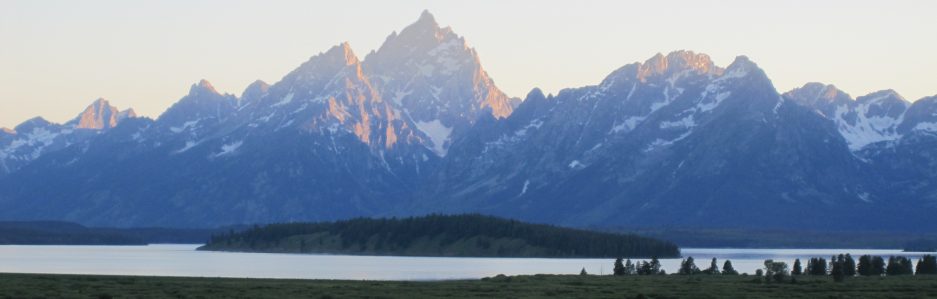

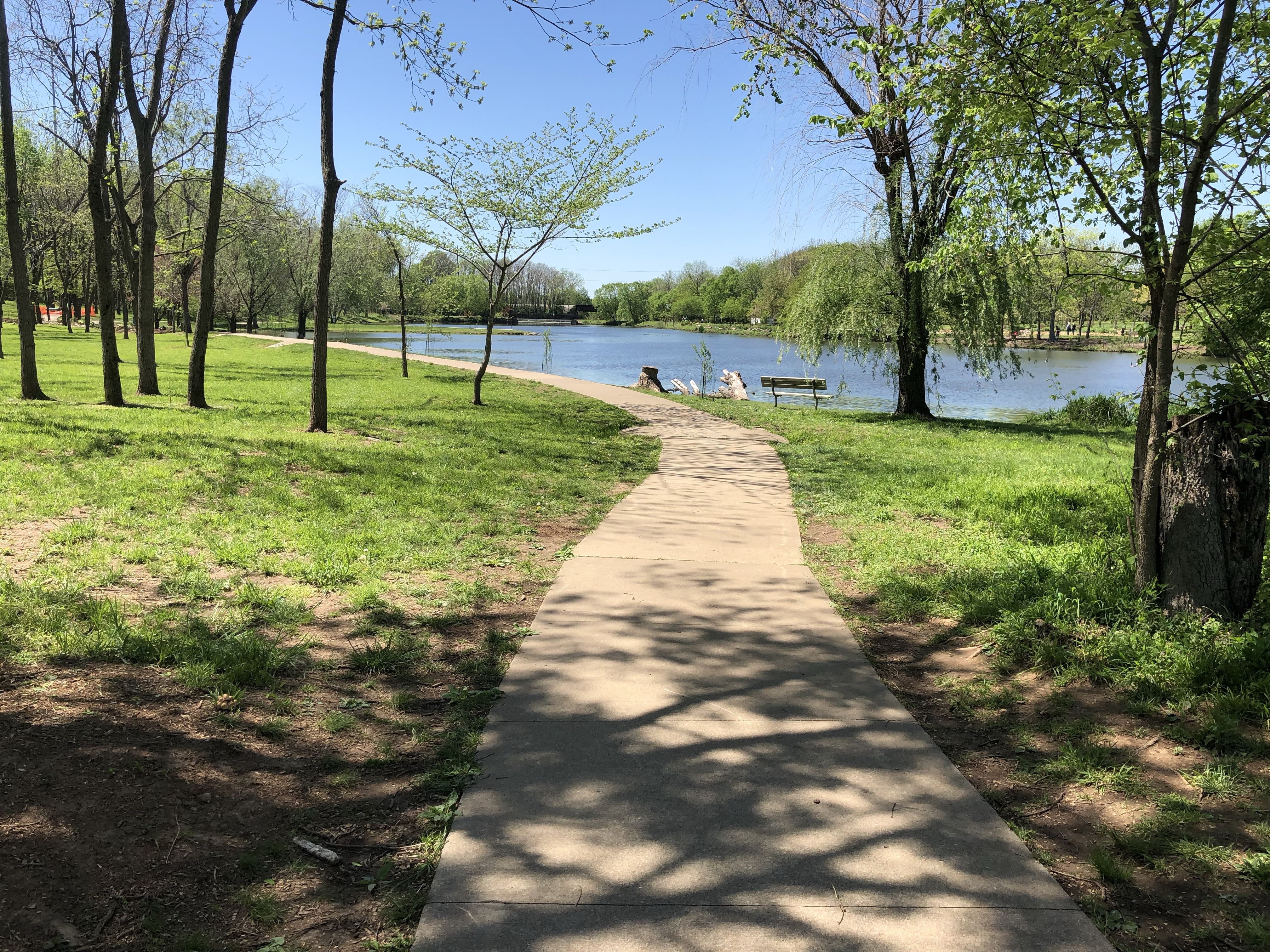
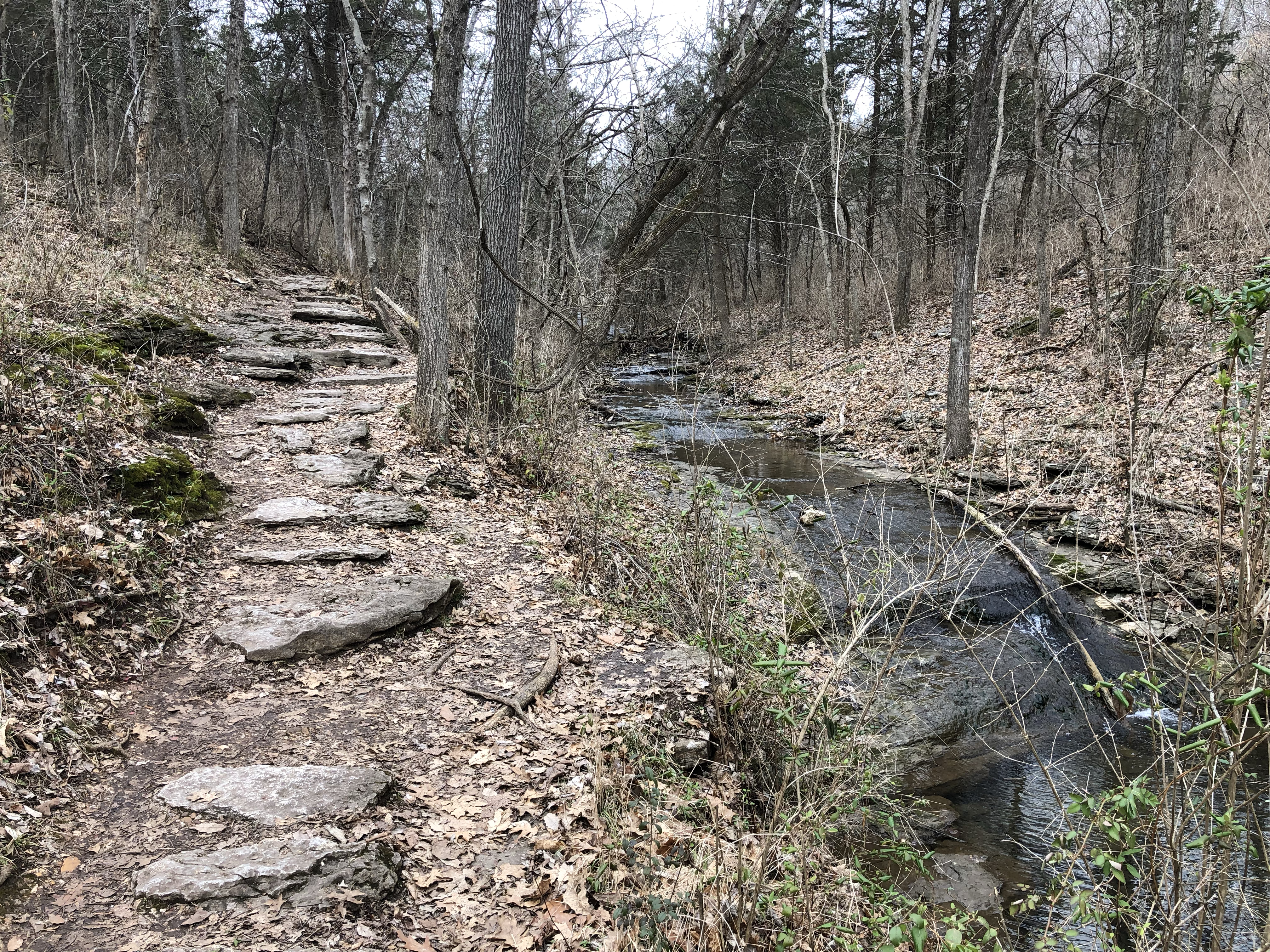





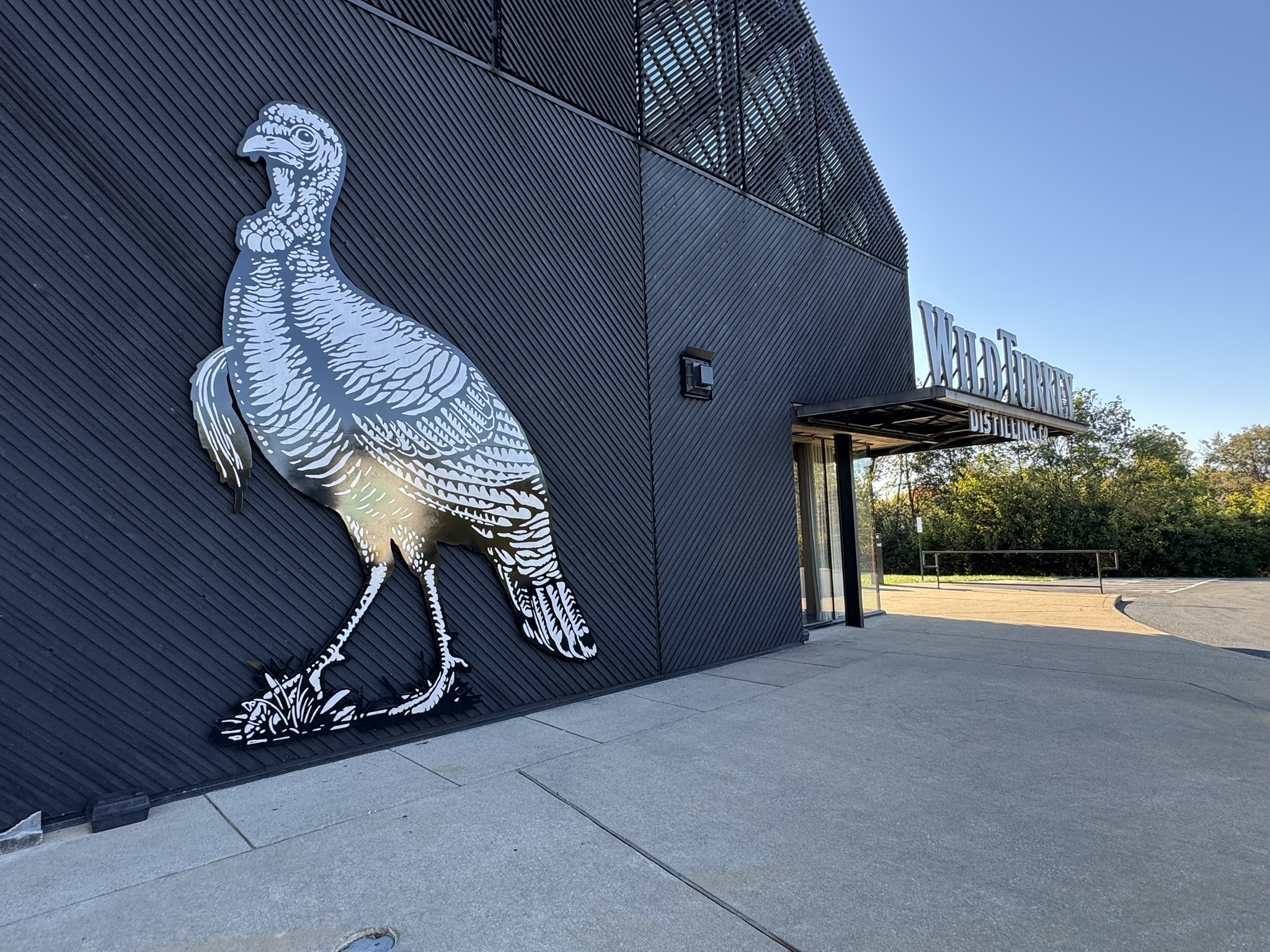

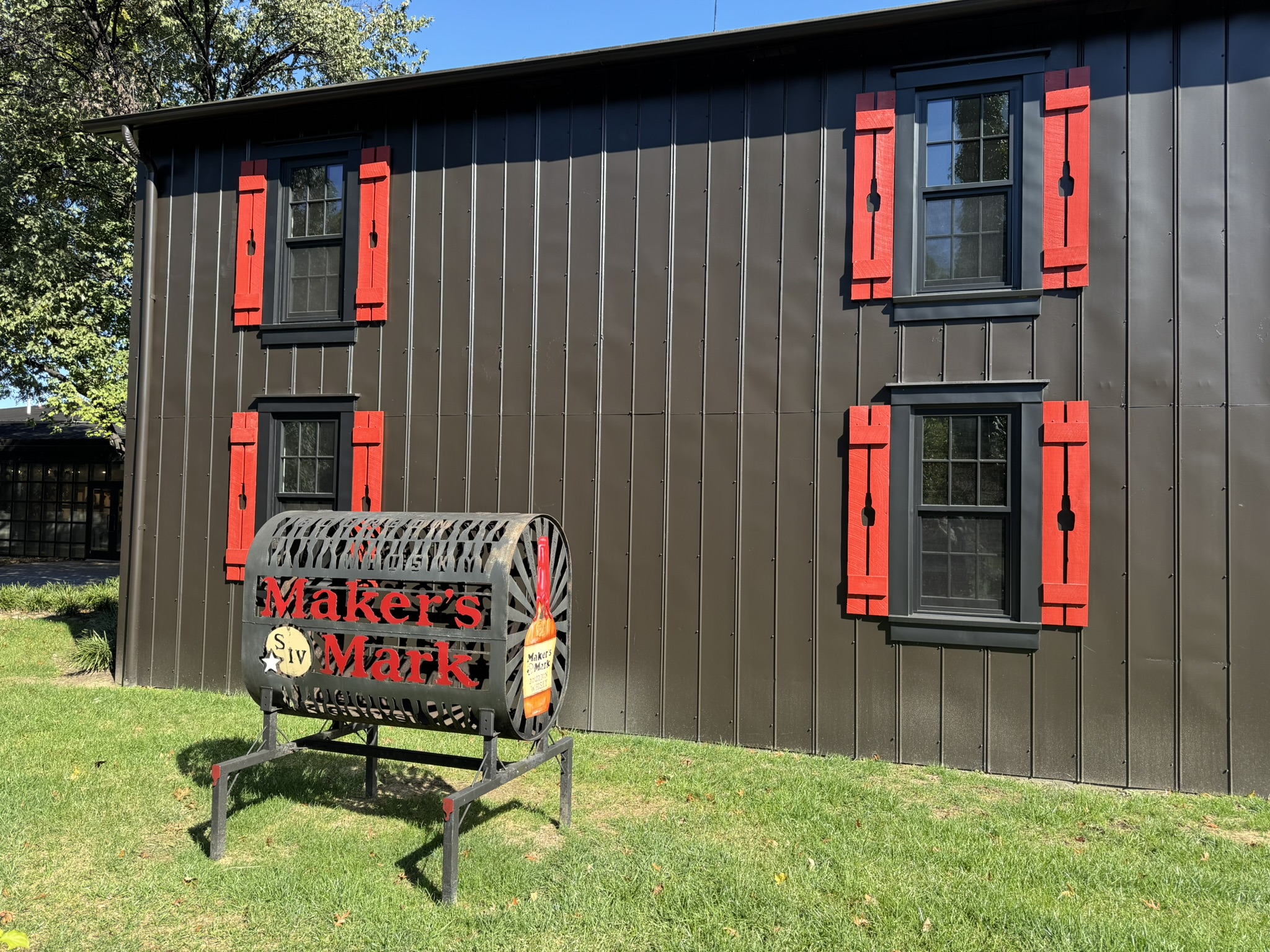
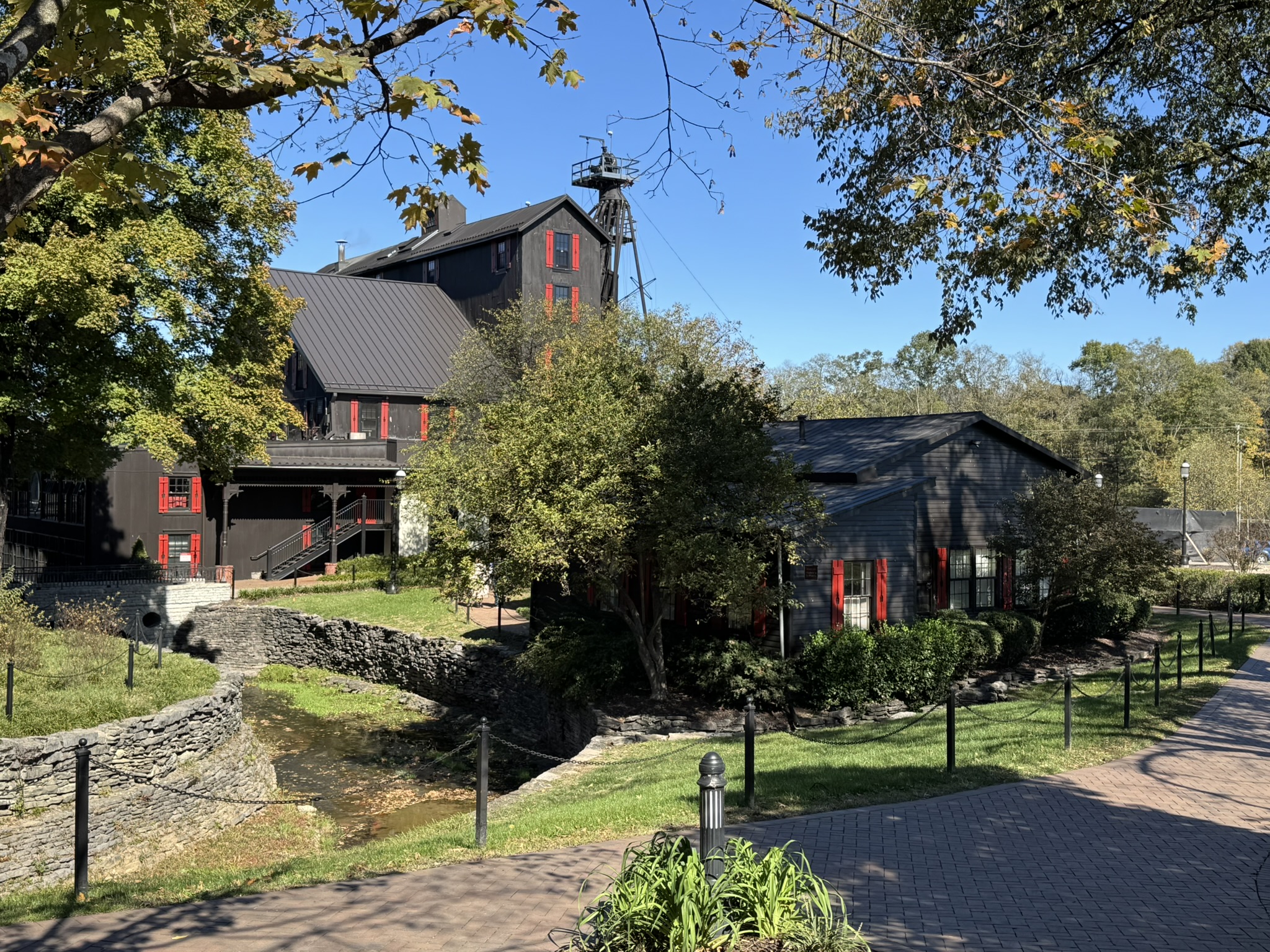



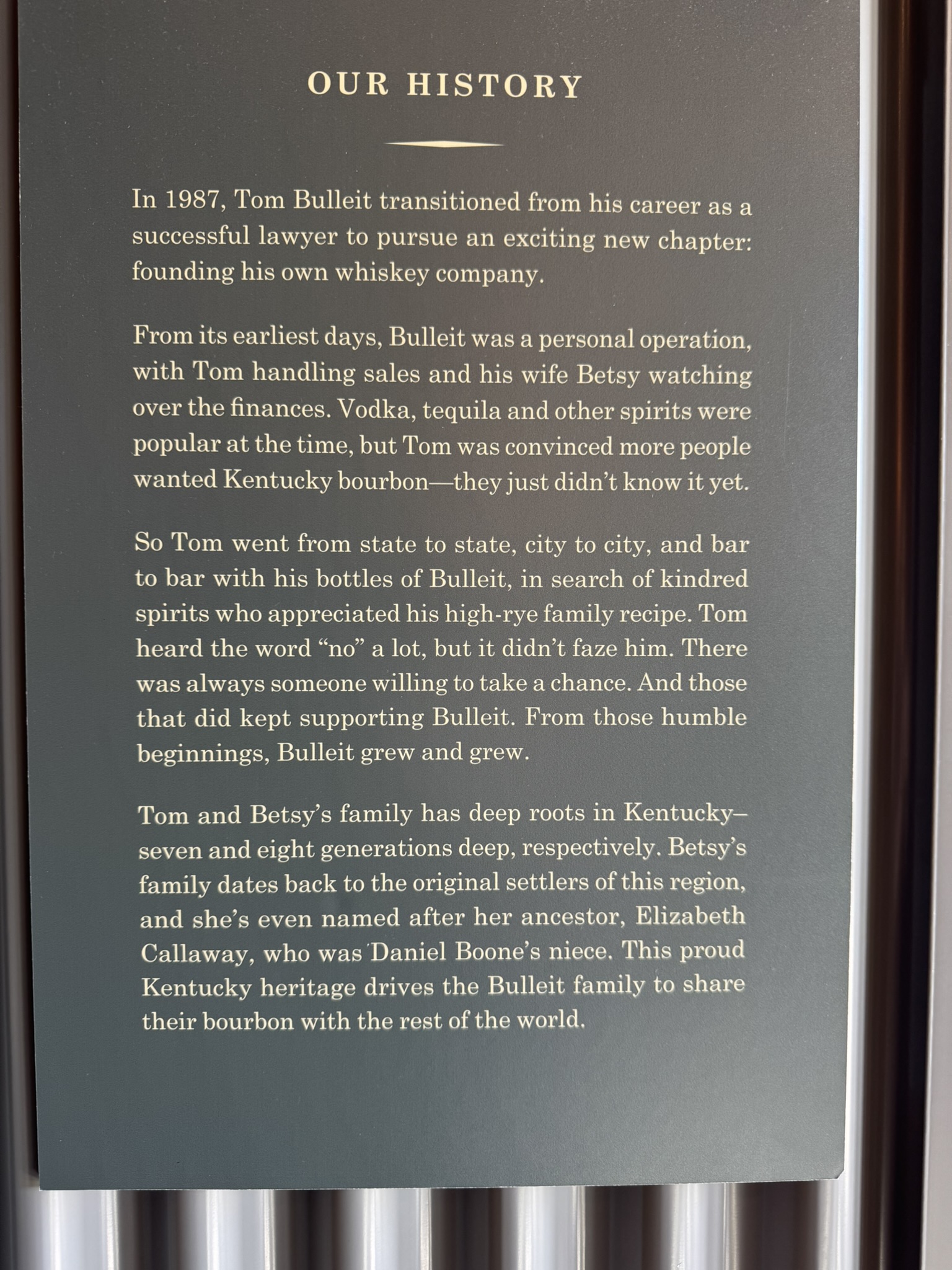
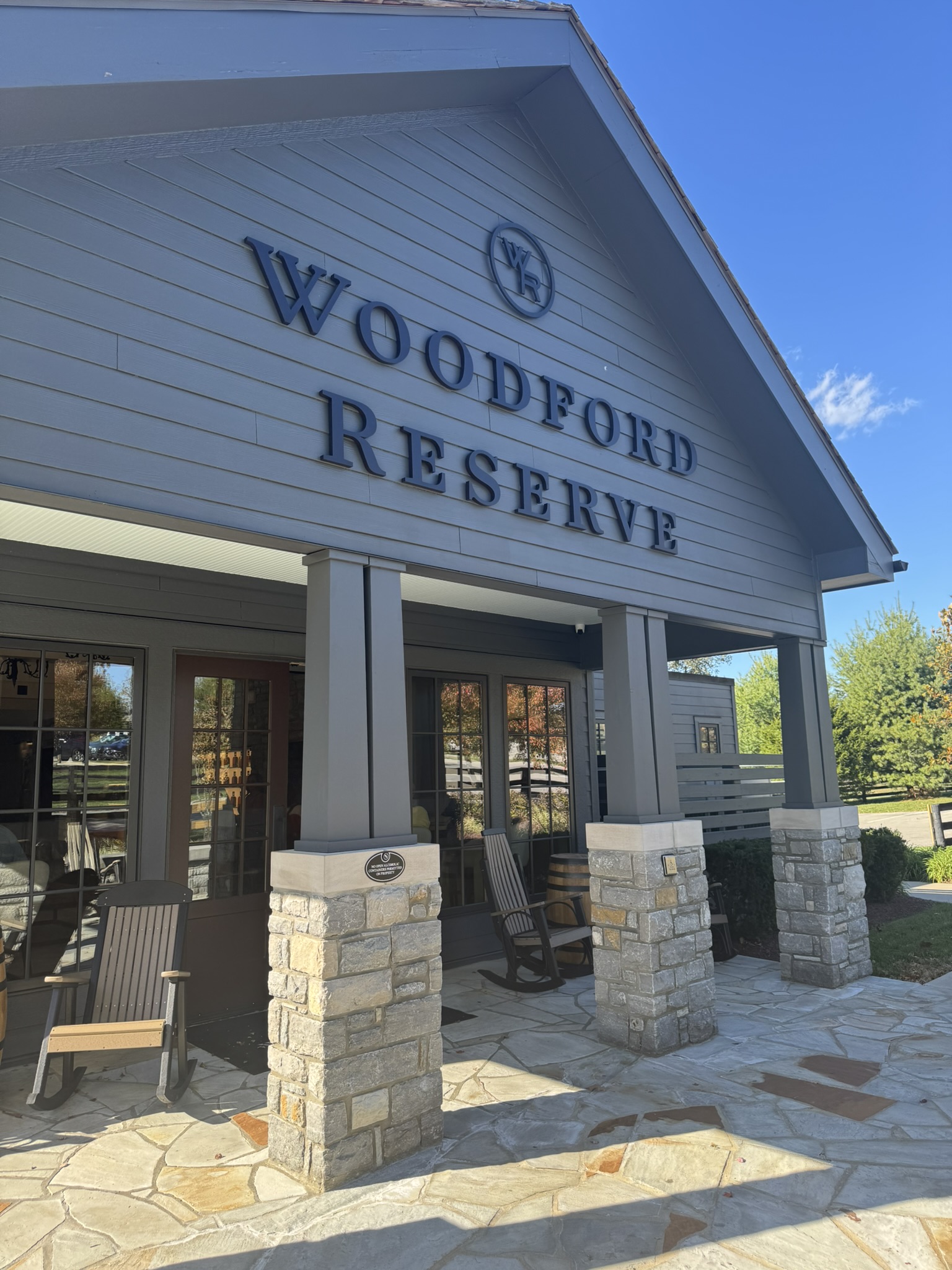

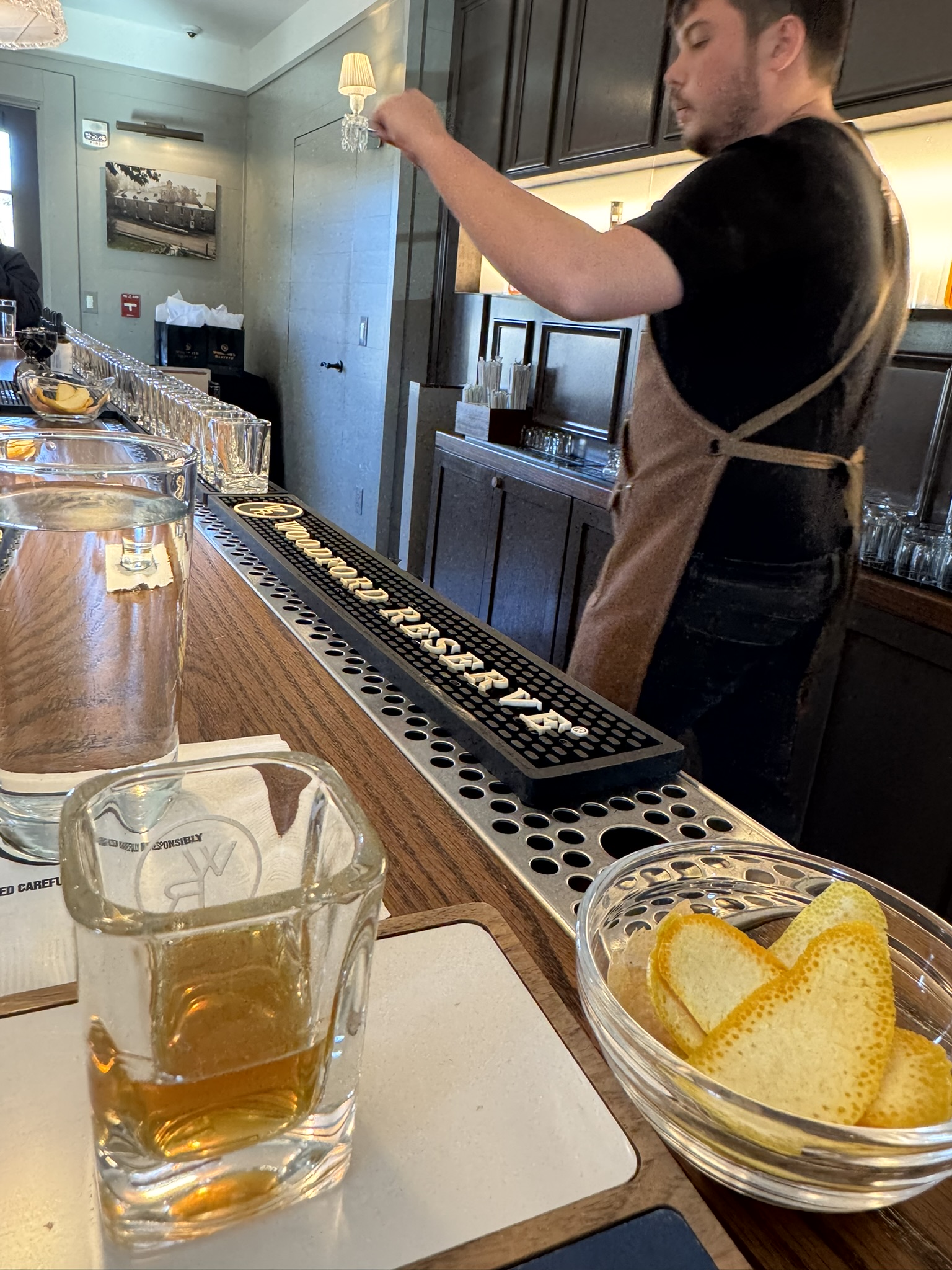



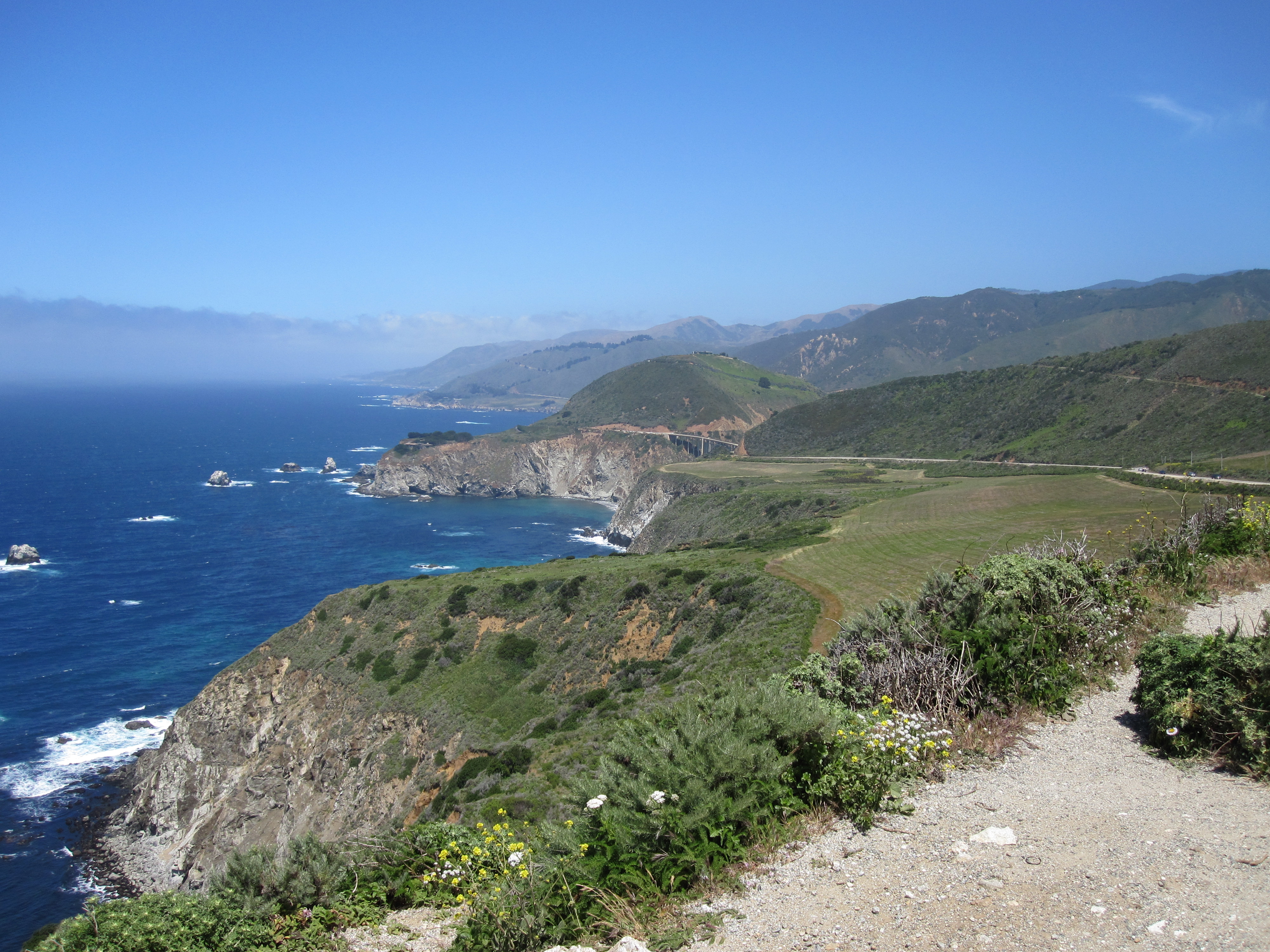

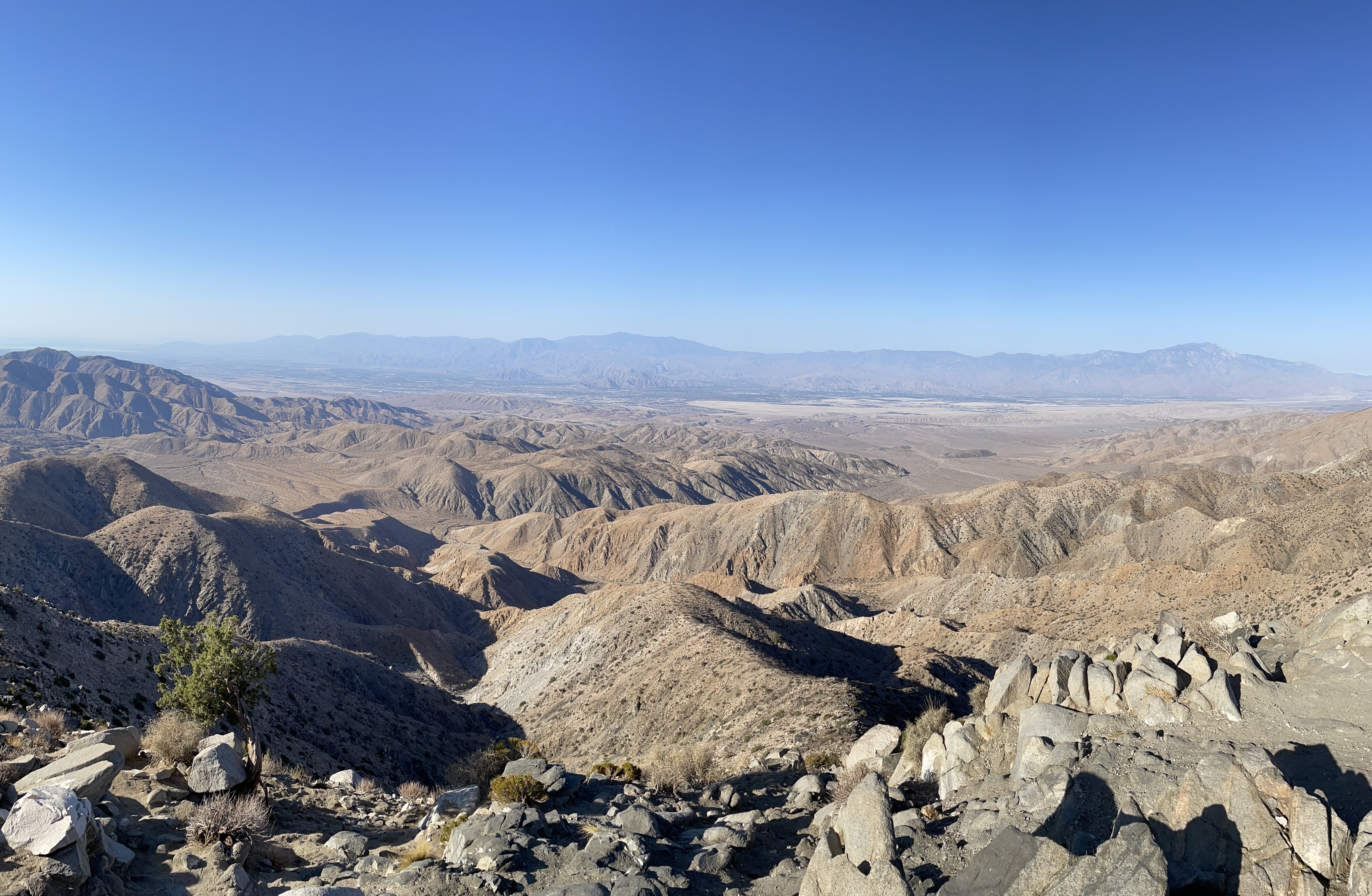
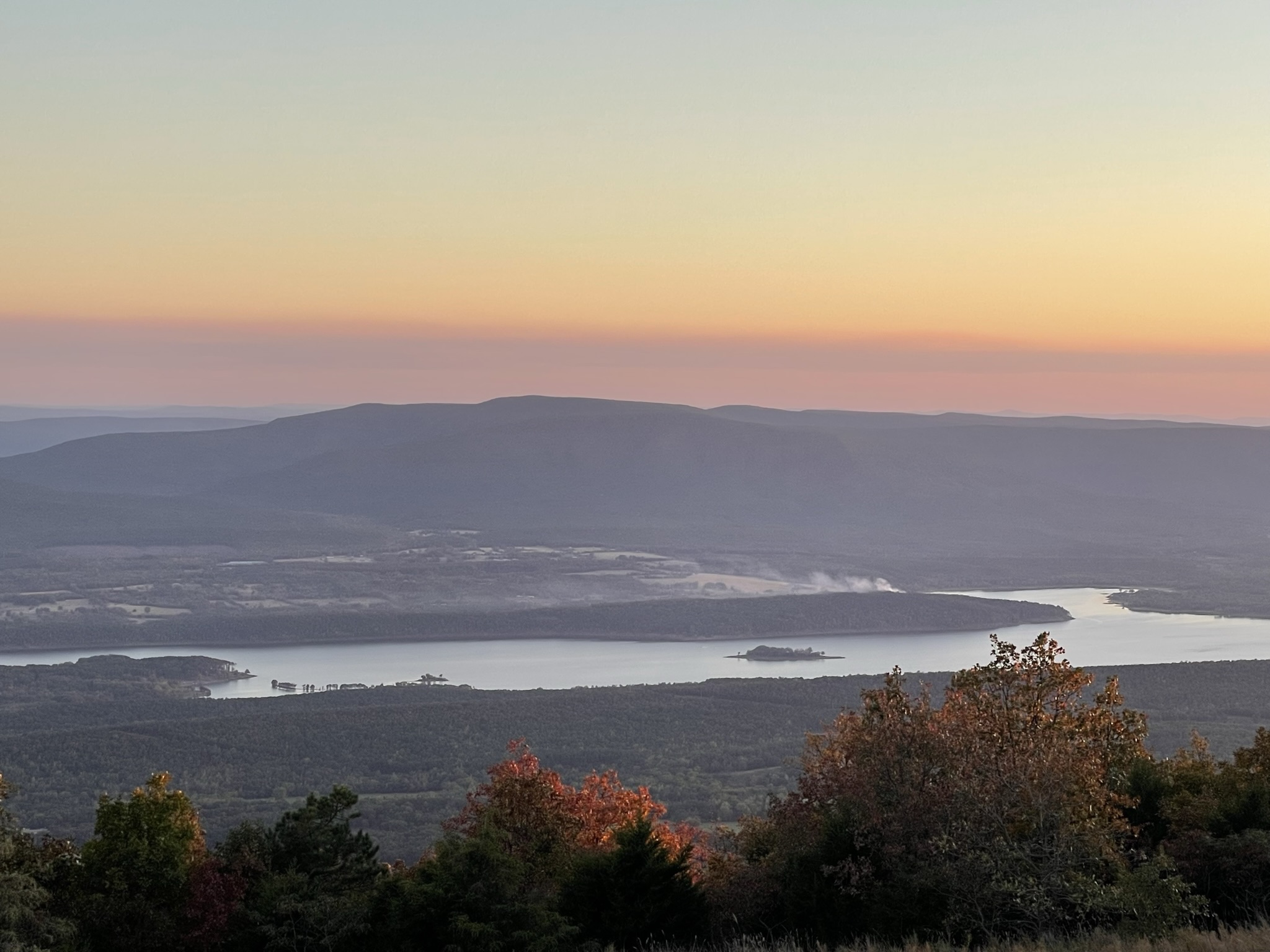
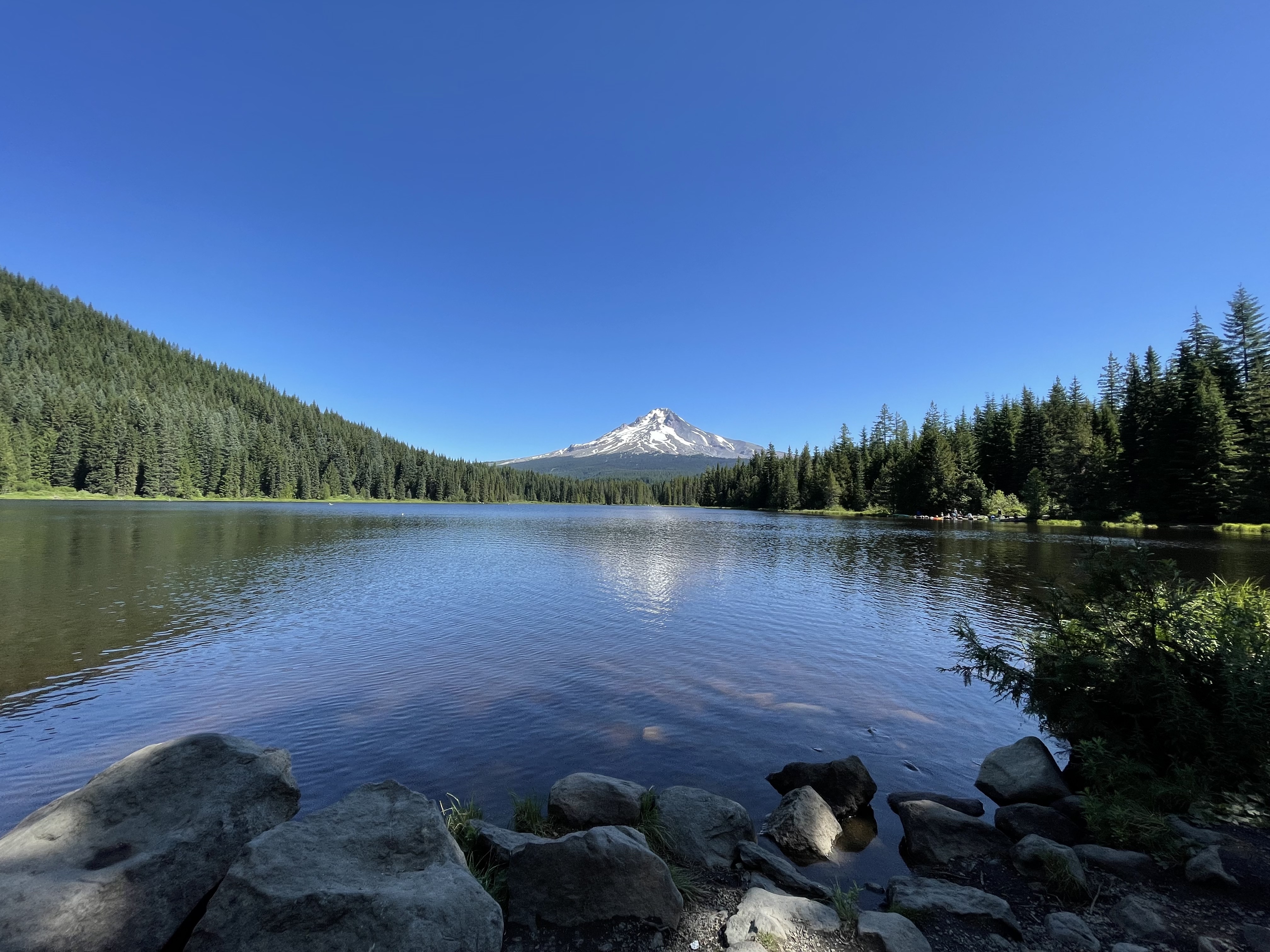
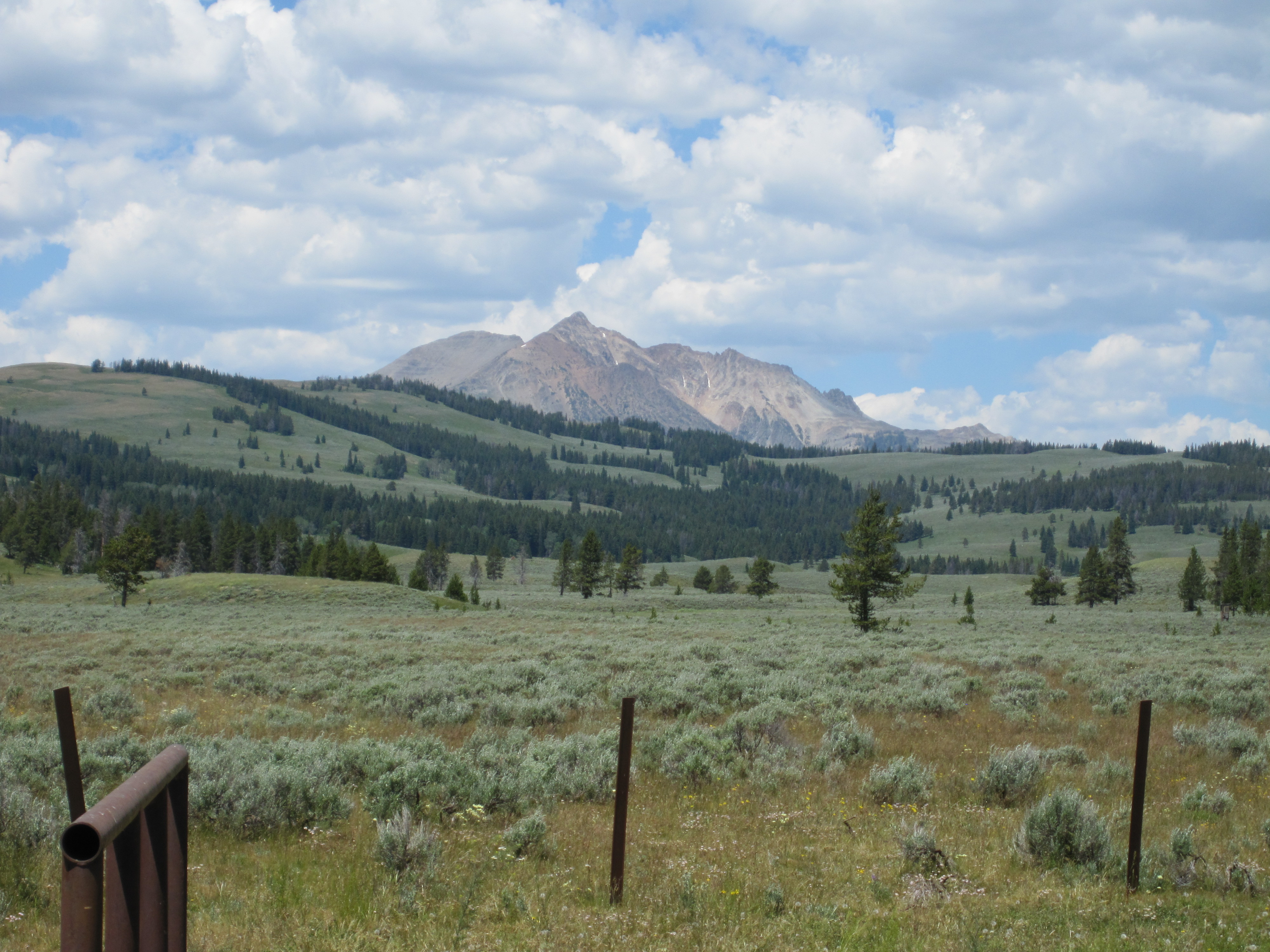





 If You Want My Opinion