During our extended winter retreat to Phoenix for 2026, my wife and I hiked some familiar trails but also explored a few we had never tried. We also took a day trip up to Sedona, one of our favorite spots in the state. We walked around some of the shops, bought some clothes and shoes, and had a fabulous lunch at the regional airport’s cafe, of all places. They had some cocktail specials we couldn’t resist, and the food was excellent. Before all that, we drove north of town on Highway 89A towards Flagstaff for a morning walk on West Fork Trail in an area called Oak Creek Canyon.
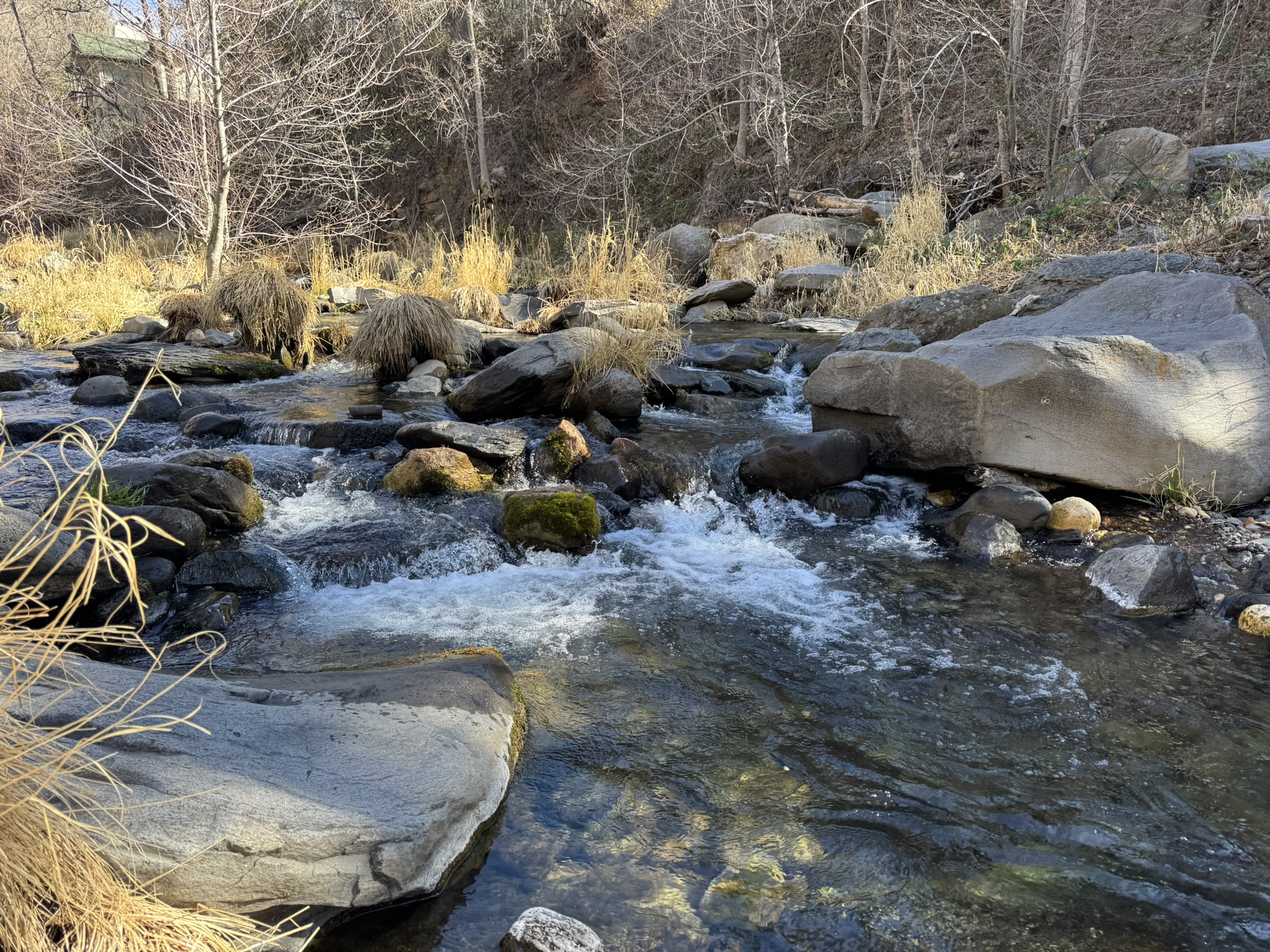
West Fork Trail of Oak Creek Canyon, Arizona
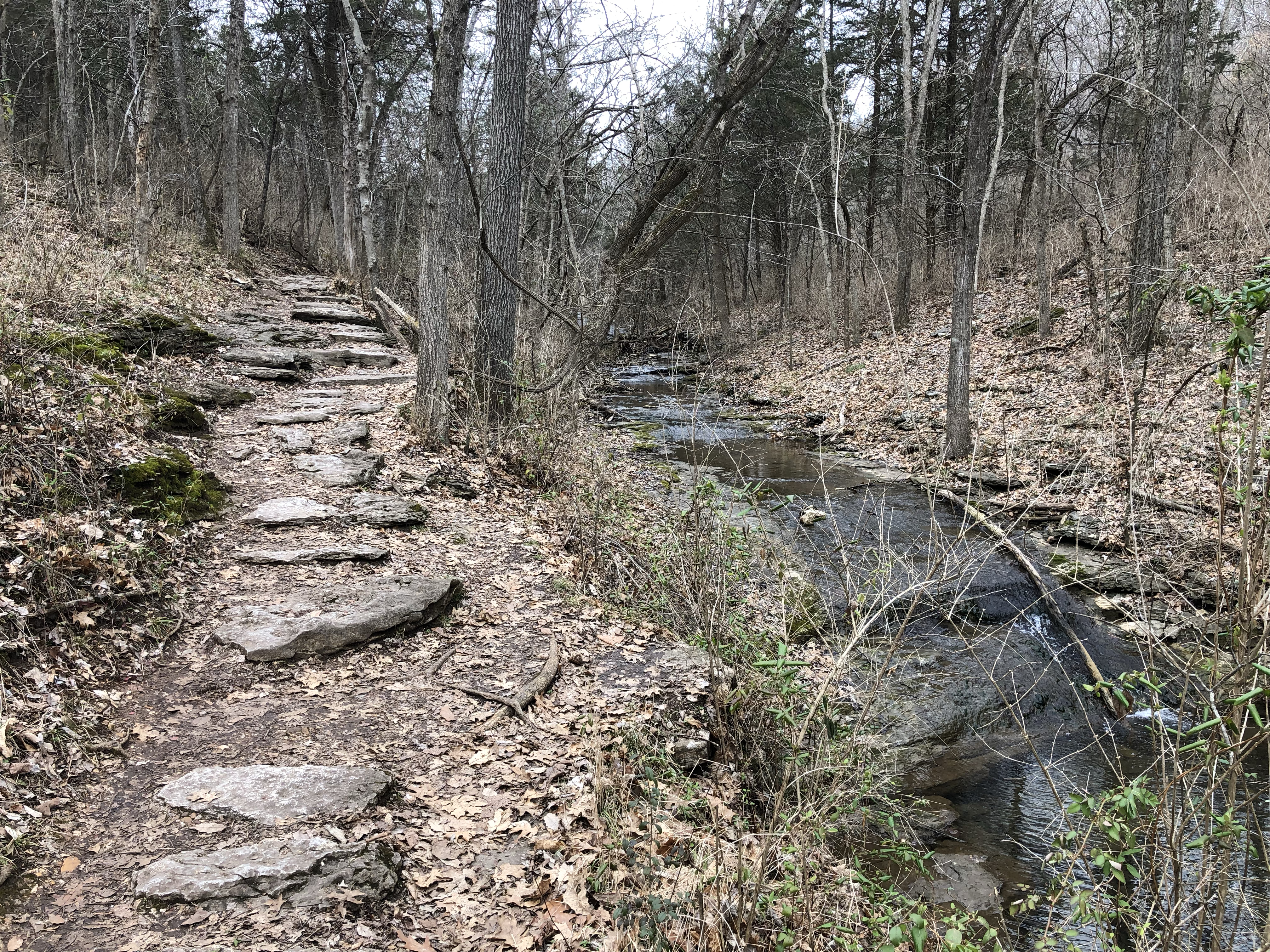
We had driven through Oak Creek Canyon many years ago but had never taken the time to explore the area, which boasts a landscape quite different from the desert environment of the Phoenix basin. The West Fork Trail is 14 miles long, but we only walked the first couple of miles. Literature and websites warn hikers to prepare to get their feet wet, which is fair considering the trail crisscrosses the creek numerous times. During our short walk we forded the creek three times over wet rocks and fallen logs. Even with our hiking poles, we decided a fourth crossing was pushing our luck, especially considering we didn’t bring a change of clothes along in case we slipped and took an unplanned dip.
West Fork Trail of Oak Creek Canyon, Arizona
The section of the trail that we walked is flat and sandy, following closely to the creek through forests of ponderosa pines, maples, and of course, oaks. Not far from the trailhead are the stone ruins of Mayhew Lodge, an old hunting cabin converted into a resort that attracted celebrities such as Jimmy Stewart, Walt Disney, Clark Gable, and President Herbert Hoover. It burned to the ground in 1980, leaving behind only the ruins that are adjacent to the first part of the trail, which is the most accessible portion of West Fork.
West Fork Trail of Oak Creek Canyon, Arizona
According to the Visit Arizona website, the trail becomes more challenging after the early creek crossings. “The canyon walls begin to close in, forcing the creek through a slot canyon. After wading through the creek to get back to the trail, hikers can expect bouldering, swimming and bushwhacking to complete the entire trek.” Visitors to Sedona who enjoy the outdoors will be well rewarded by taking the short drive north to witness the rock pinnacles, natural arches, and deep canyons on the West Fork Trail.
West Fork Trail of Oak Creek Canyon, ArizonaWest Fork Trail of Oak Creek Canyon, Arizona
In his remarkable book, Badass Retirement, author Robert Pagliarini includes a chapter titled “Upgrade Health.” His message is simple for people who want to escape average retirement: think and act like an athlete. He posits that professional athletes “invest their time and energy into improving their performance.” They work hard at it to avoid injury, recover quickly if they do get hurt, and achieve the highest possible energy and stamina for years, even decades. He stresses that retirees should have these exact same goals – and I agree one hundred percent.
My wife and I are now in our second year of retirement, and one of our top priorities since we left employment is to get in better physical shape and maintain a healthier lifestyle than we did during our working years. We are paying closer attention to what we eat and drink (well, better than we once did). We are also wearing the right kind of clothes and shoes for our new lifestyle. We are paying more attention to our bodies and making sure we get the medical care we need. We believe in the value of vaccinations and medication.
Perhaps the most significant change in retirement related to our health is our increased focus on physical fitness. Much of our time is now discretionary, and we are devoting more of it to a variety of exercise options including weight training, cardio activity, Pilates, walking, and hiking. We both have trainers we work out with at least once a week. We have pickleball paddles and hope to learn how to play this game that has swept across America and is attracting all ages, not just seniors.
Dan Kinney Family Center, Springfield, MO
We are fortunate to live in a community that offers ample opportunities for indoor and outdoor recreational activities. Our city and county have an excellent trail system for walking, hiking, and biking. Some of the trails connect to surrounding towns. We have a nature conservation area, a botanical garden, a historical landmark park, and several outdoor green spaces with hiking trails, paved walkways, creeks, and ponds.
Springfield (MO) Botanical Center
Because we are both over age 60, we get an extra benefit through our local park board in the form of a deep discount on membership at their fitness centers. We can reach the one closest to our house in about ten minutes. This family center has a multi-use court for pickleball, basketball, volleyball, children’s inflatable bounce houses, and group exercise programs like SilverSneakers. There is a walking track on the second floor that circles the court. There is an outdoor paved walking track too. The center is equipped with a wide variety of dumbbells, weight machines, treadmills, bikes, ellipticals, stair steppers, and much more. The center also has meeting space and separate rooms for small classes and individual training.
We are making a concerted effort to exercise several times a week, with two days of weights, at least one day of cardio, and 2-3 days of alternate activity like walking or Pilates. We live in a subdivision that is great for walking. If possible, we also try to include exercise as part of our daily routine when we travel, taking advantage of hotel and condo fitness rooms or just walking nearby trails or in neighborhoods. We look for public gardens, arboretums, and greenways for walking too. When we are away from home for extended periods of time, we purchase a temporary membership at a fitness center so we can maintain our weight and cardio routines.
Springfield (MO) Conservation Center
Hiking has always been a favorite activity for both of us, even before we met and got married. I have written about our hiking adventures a few times in this blog. When we travel, we look for fun and scenic places to hike. Phoenix, the Sonoran Desert, San Francisco, Lake Erie, Joshua Tree National Park, Yosemite, Mount Hood, and various locations in the Ozarks and Appalachia are just a few places we have hiked. We have walked or hiked in temperatures from 13 to 90 degrees Fahrenheit, in light rain and sunshine, and in all four seasons.
Sometimes it’s not easy to get motivated, but we know we need to keep moving, strengthen our core, develop and maintain muscle tone, protect our bones, keep our hearts healthy, and improve our balance. Robert Pagliarini makes a valid point to keep in mind in his badass book on retirement. “The most important asset you have is your health, but knowing what to do when it comes to nutrition, supplements, and fitness feels like a moving target for a good reason. If there is one area that changes more than any other, it’s health.” Medical professionals agree that exercise is essential to staying healthy, and we intend on staying as healthy as possible as we age. After all, we’ve got places to go, people to see, things to do!
In 1998, a female band called Dixie Chicks (now called The Chicks) released a song titled “Wide Open Spaces,” which stayed four weeks at the number one spot on the U.S. Country Singles Chart and landed at 41 on the U.S. Pop Singles Chart. The lyrics tap into the familiar theme of a young woman striking out on her own to find independence, freedom, adventure, and her future. The clear message is that she needs plenty of space to put all this in motion. She needs room to make mistakes and learn from them. She needs big sky to expand her vision. She needs plenty of depth, breadth, and no ceiling. The opening line of the song proclaims how this deep-seated desire is an essential part of the human spirit: “Who doesn’t know what I’m talking about?”
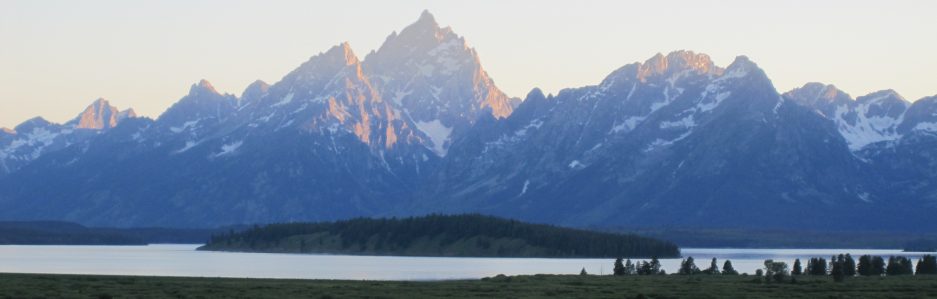
Grand Tetons National Park, Wyoming
In our travels across the country and overseas, my wife and I are usually drawn to wide open spaces. We love expansive vistas where the terrain stretches out before us for miles on end, and the view of the canopy above is unobstructed. And although these destinations are physical or geographical, they lend themselves to mental and emotional experiences that transport us far beyond the landscape alone. We like to say that these moments are good for our souls, when perhaps we are reminded of how small we are and how big the world, or even the universe, truly is.
Grand Canyon National Park, Arizona
Some of our favorite locations to see such grandeur are in the American West, but we have also witnessed breathtaking scenes in other places in the South, Northwest, Midwest, and in Europe. I have written other posts about how we value wide open spaces, but I thought it might be nice to share some images here of locations where we have felt the power and majesty of the natural world, from mountains, valleys, and deserts to shorelines, lakes, and streams, and always an abundance of big sky. After all, when it comes to appreciating the wonder of the natural world, who doesn’t know what I’m talking about?
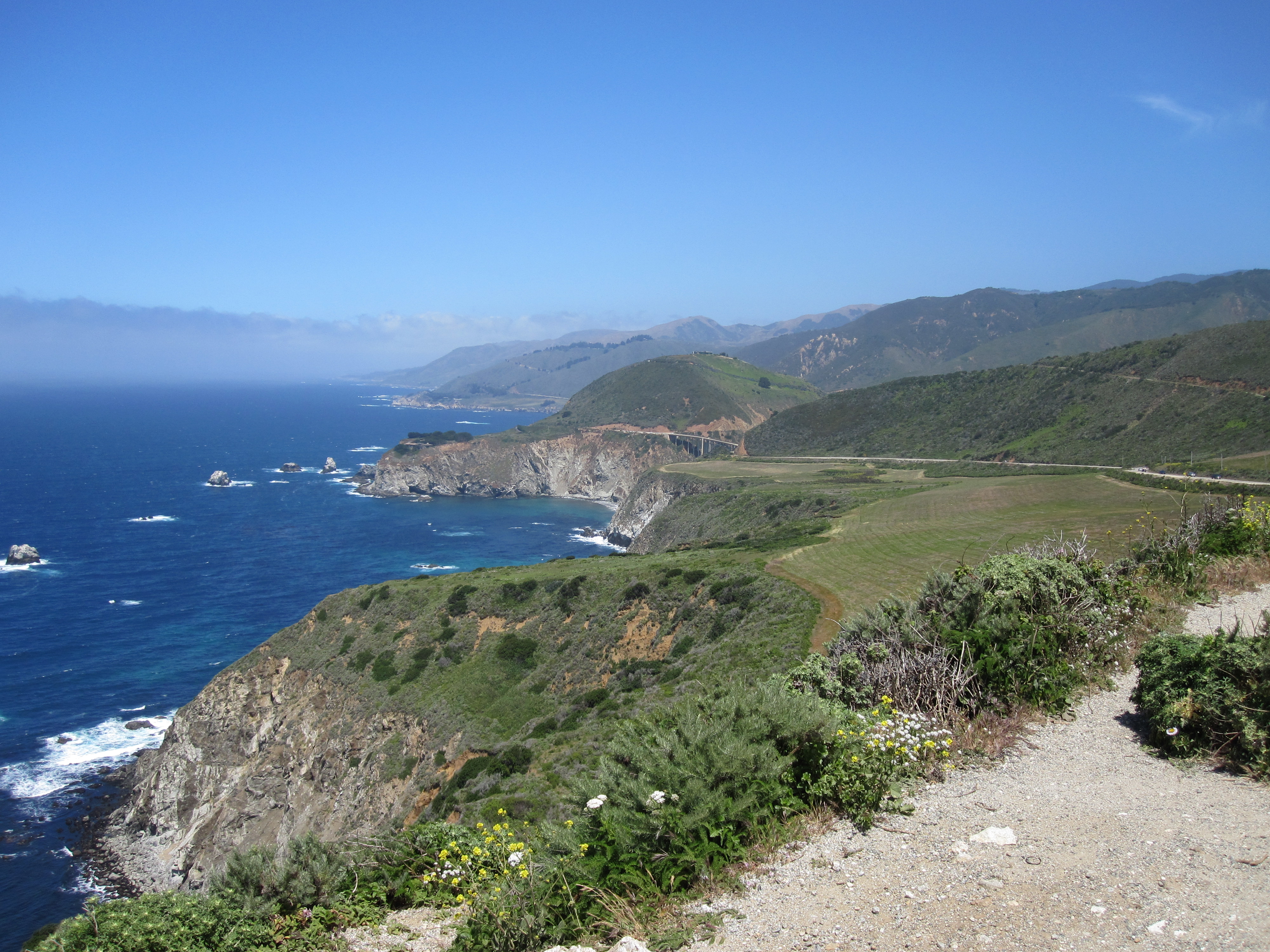
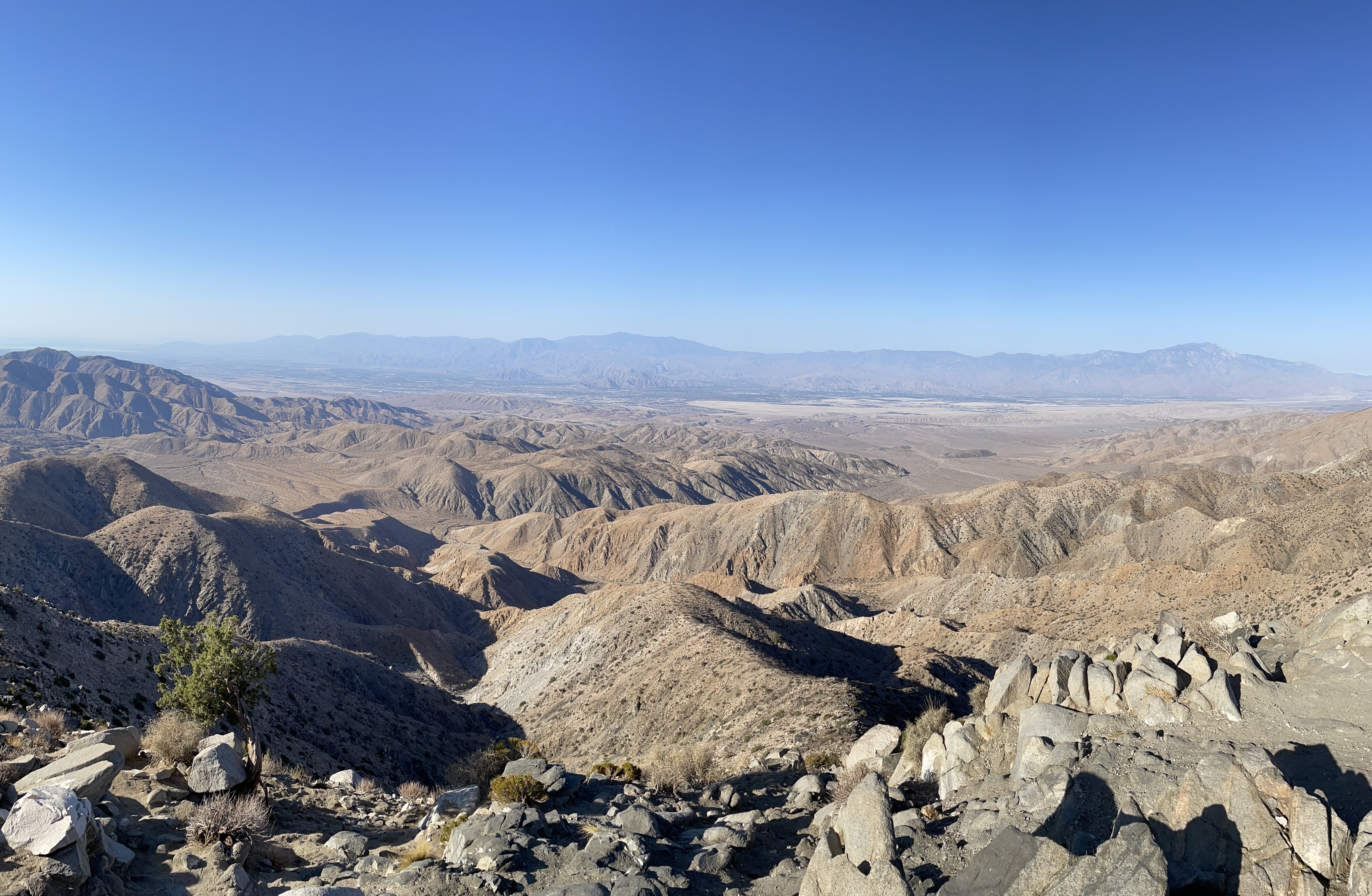
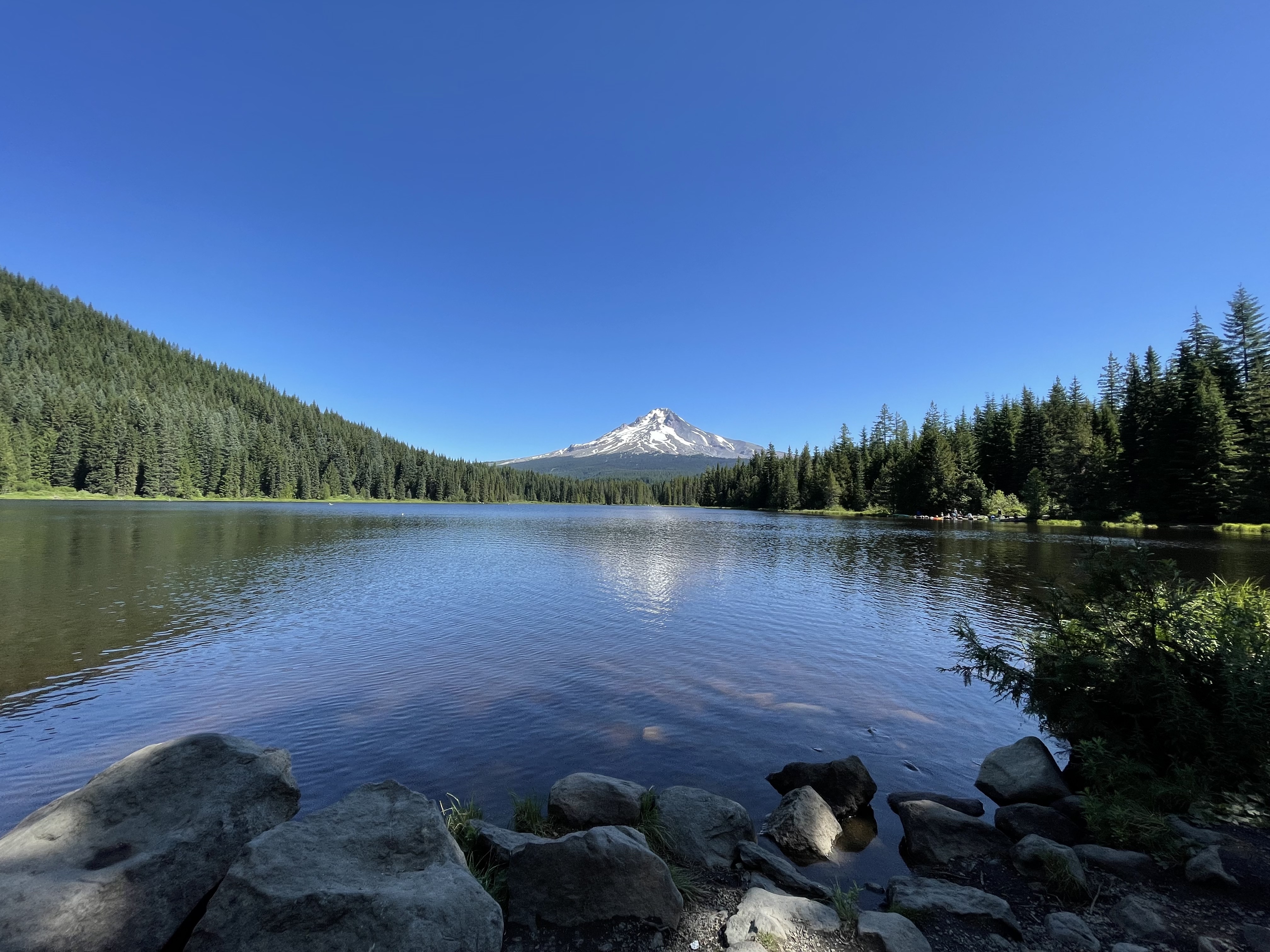
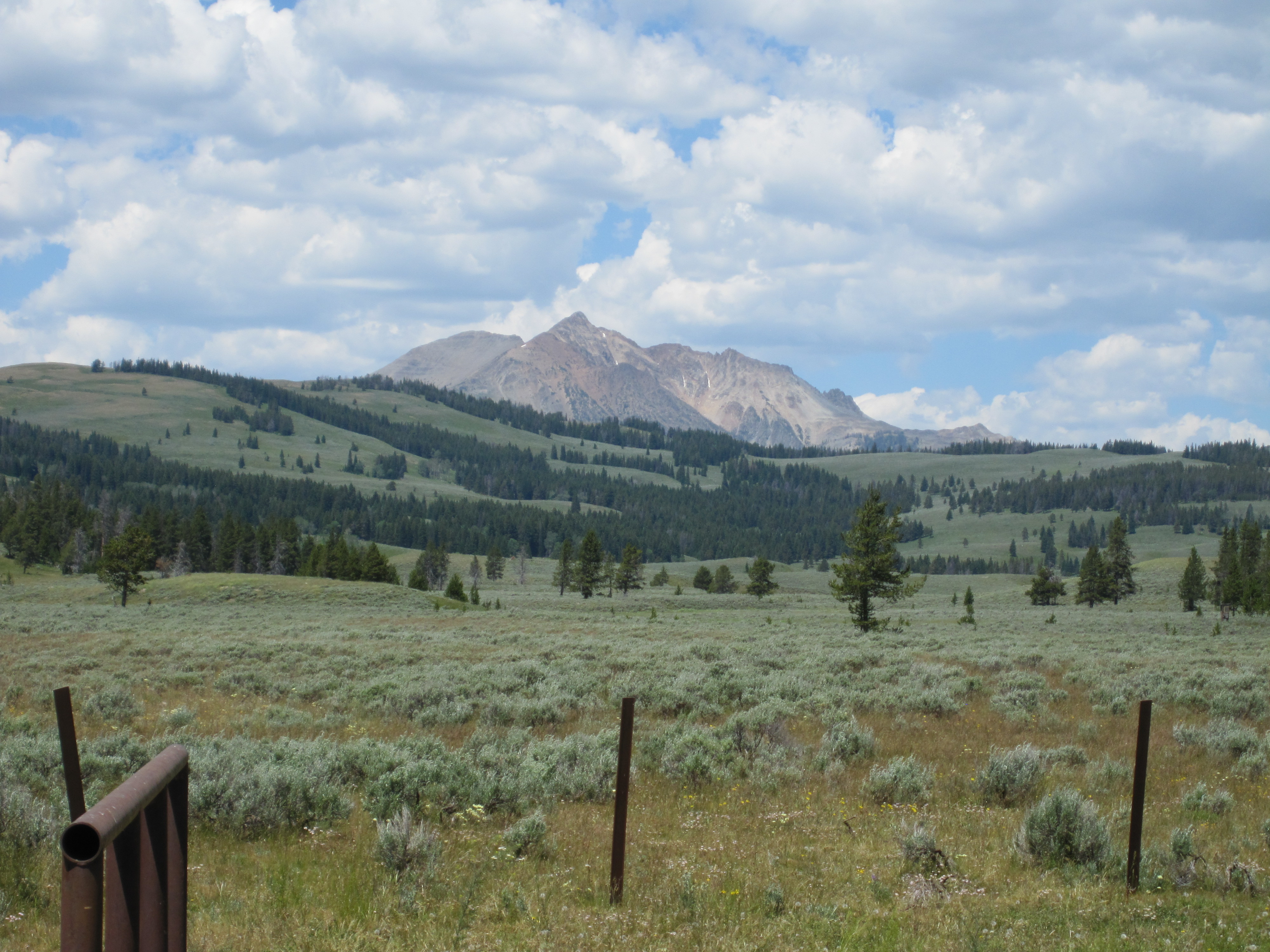
View from Picacho Peak, ArizonaTop of the Rock and Table Rock Lake, MissouriHighway One at Hurricane Point, CaliforniaHighlands, NCJoshua Tree National Park, CaliforniaMount Magazine State Park, ArkansasMount Hood, OregonYellowstone National ParkYosemite National Park, CaliforniaSwiss Alps, Switzerland
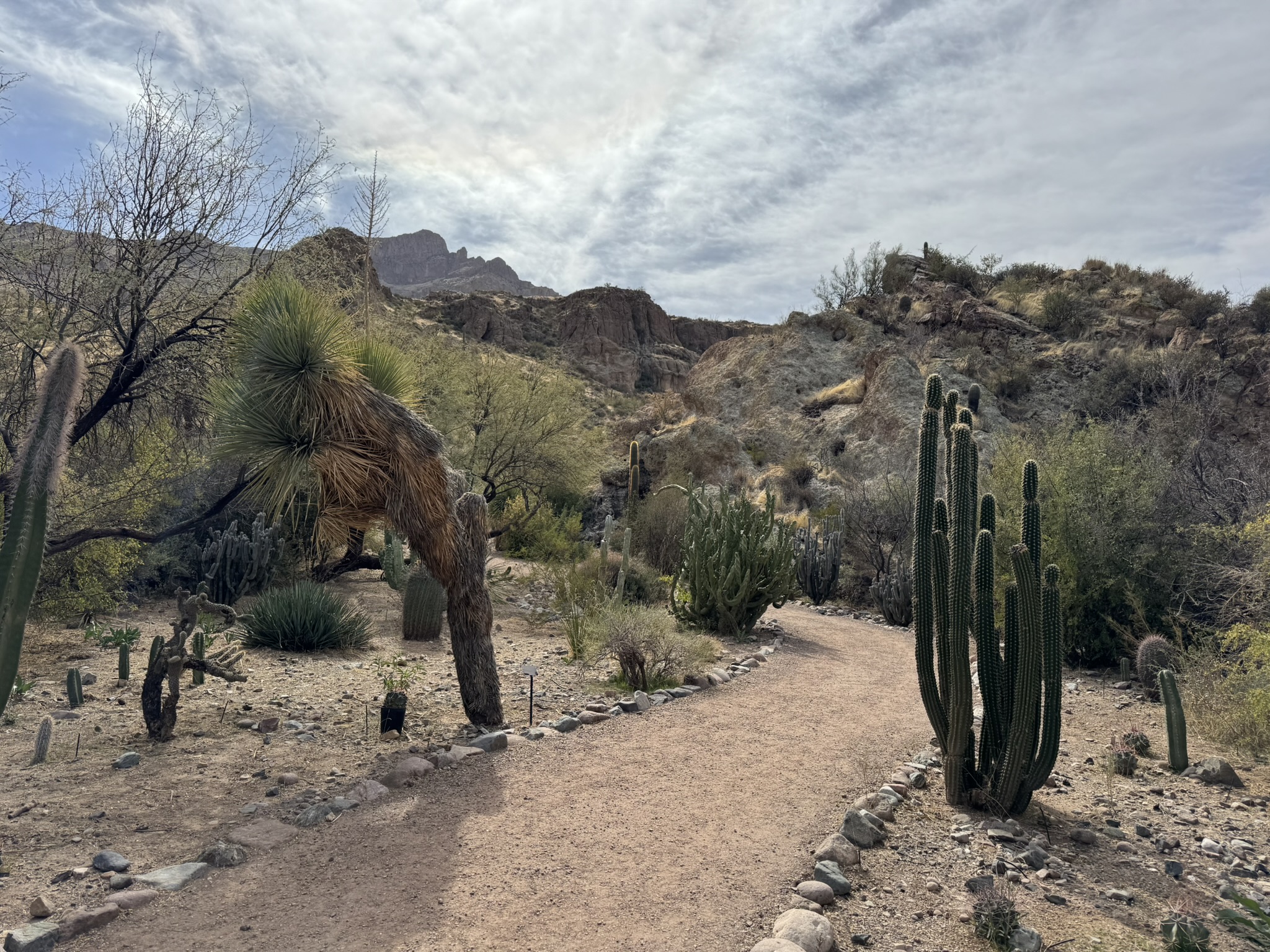
During our annual winter vacation to Arizona for 2025, my wife and I got out of Phoenix for a half day and drove an hour southeast to visit the Boyce Thompson Arboretum. Situated on 372 acres of scenic upland Sonoran Desert, it is Arizona’s oldest and largest botanical garden. The arboretum was founded by William Boyce Thompson, an American engineer, financier, and philanthropist who created his fortune in the mining industry. He built a winter home, the Picket Post House, in the early 1920s overlooking Queen Creek near Superior, Arizona. He then established an arboretum in 1924 on the land surrounding his house. Thompson understood the importance of plants as the ultimate source of our survival and well-being, and even today his appreciation of the power of nature is evident at Boyce Thompson Arboretum State Park.
Boyce Thompson Arboretum, Arizona
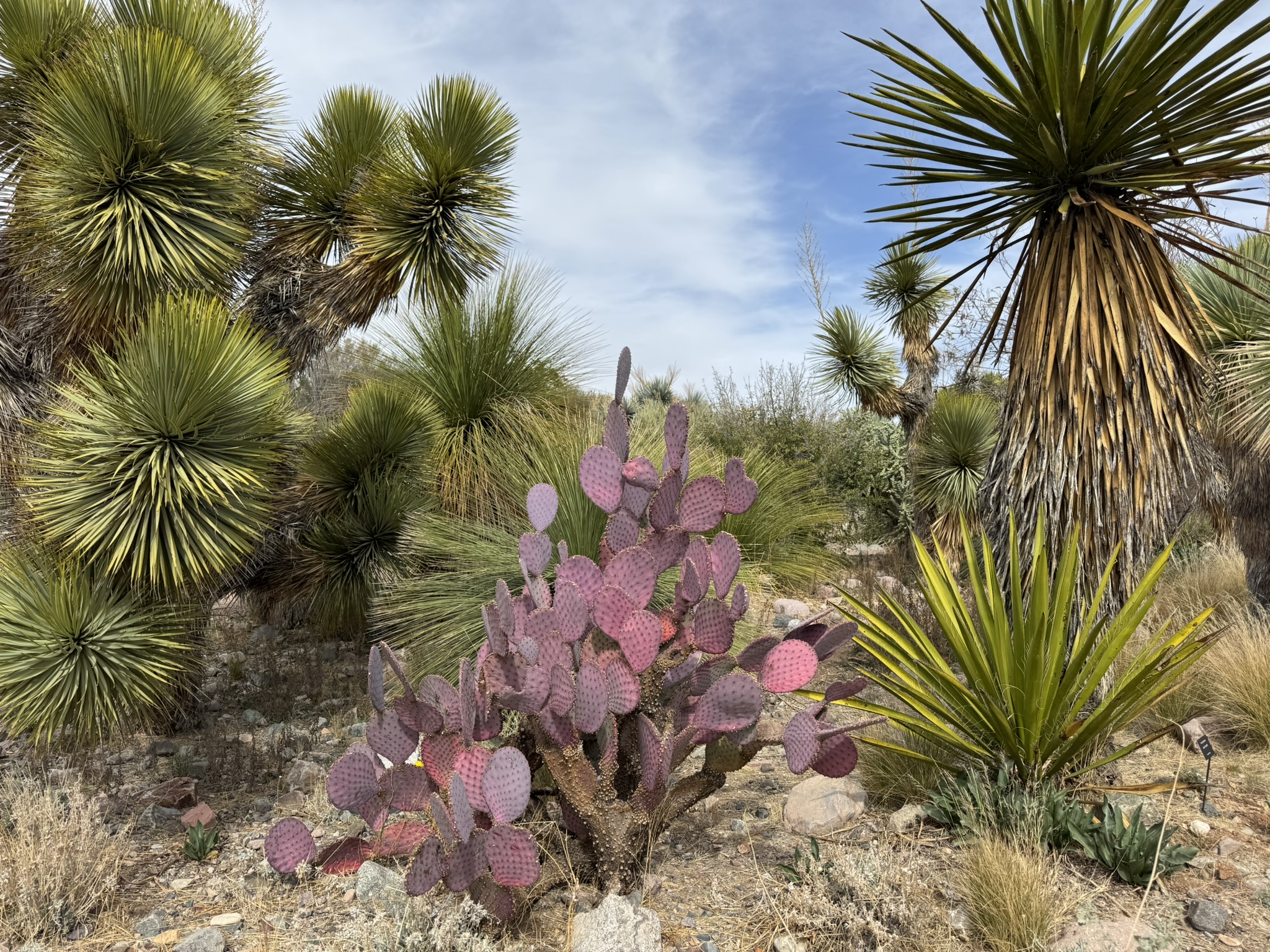
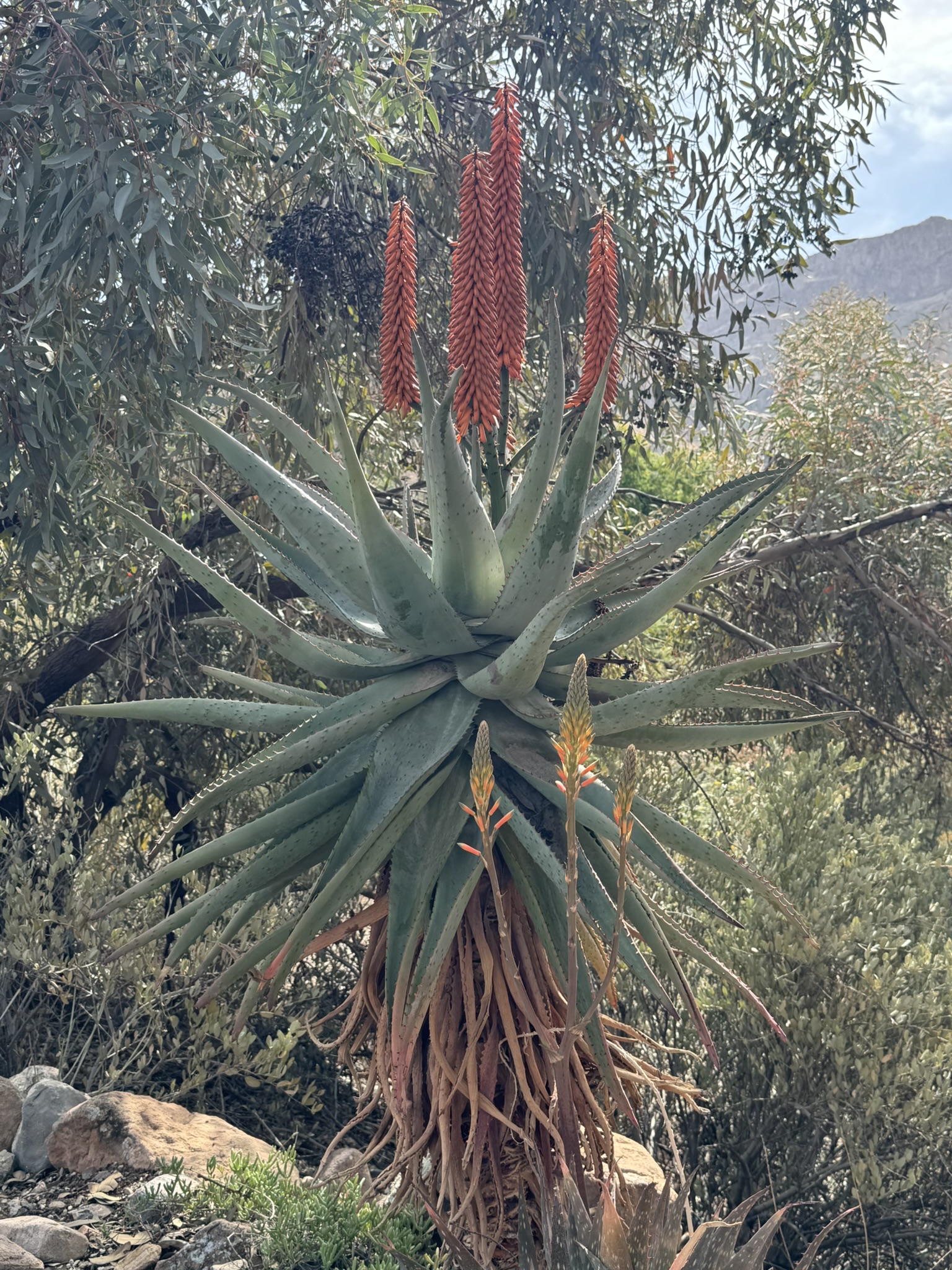
The arboretum is the home of desert plant collections from around the world, arranged in clearly defined sections of the park, from the United States, Mexico, Australia, Madagascar, India, China, Japan, Israel, South America, the Middle East, Africa, the Mediterranean, and the Arabian Peninsula. The park contains over 20,000 plants with winding paths leading visitors through trees, shrubs, grasses, cacti, and a cornucopia of flowering species. The signage is just right – not obtrusive but offering plenty of detailed information. The park also includes some beautiful artwork, arbors, shade structures, water features, and benches. There is a lovely gift shop and nice restrooms at the entrance.
Boyce Thompson Arboretum, Arizona
We strolled around the paths and through the various sections of the park, marveling at the incredible diversity of specimens, from tall trees to the tiniest thorny cacti. Most of the plants obviously belong in a desert climate, but some of the trees look like they would be right at home in a city park anywhere in the world. Color abounds, texture is all over the place, and the shades of green seem almost limitless. Everything looked so lush, so alive when we were there. We did notice signs of a drip irrigation system in several areas, which may mean that some of the species require more water than is available in the Sonoran Desert environment. There are even a few endangered species in the park, and plant conservation is a big part of the organization’s mission.
Boyce Thompson Arboretum, Arizona
The drive over to Superior from Phoenix is a pleasant one, with magnificent views of the desert landscape and Superstition Mountains to the north. The park is open most days of the year, with hours of operation changing according to the seasons. They have a great website at https://btarboretum.org/ from which most of the information in this post is gleaned. Arizona is a hiker and cyclist paradise, with thousands of miles of trails throughout the state. Outdoor recreation opportunities are almost endless. I would include the Boyce Thompson Arboretum in the long list of places where visitors can enjoy the beauty of nature in a confined space, where the physical challenge isn’t so great, but the rewards are substantial.
I have written about gardens several times in this blog. They are among my most favorite places in the world. I love them in all their many forms: small residential gardens, larger private ones, arboretums, botanical gardens, public gardens, and those you find at houses of worship, city parks, river walks, and even businesses. They brighten up any space with texture, structure, color, and incredible beauty. They are places of refuge and contemplation. There are so many features to enjoy, including ponds, streams, waterfalls, varying terrain, rocks, boulders, statuary, fountains, and other built structures. Whenever my wife and I travel, we almost always look for gardens to visit or revisit.
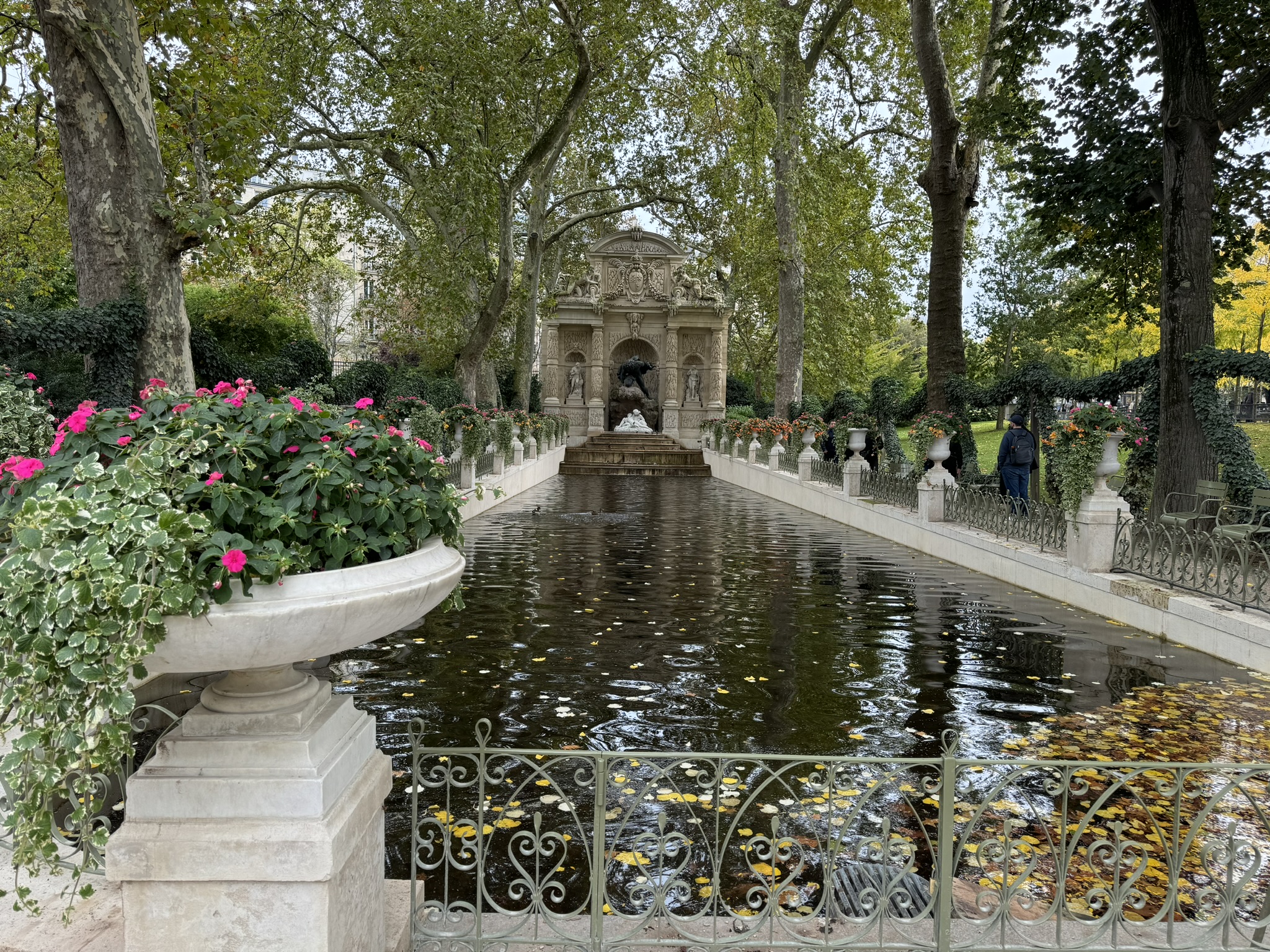
In September 2024, we took a two-week trip to Paris and various locations in Switzerland. On our last day in Paris, we spent the better part of the morning wandering around one of the most spectacular spots in the city, Luxembourg Garden. Located in the 6th arrondissement in an artsy part of the city, the Jardin du Luxembourg comprises 25 hectares (56.8 acres) adjacent to the grand building that houses the French Senate, thus its more familiar name for Parisians, Jardin du Sénat. The Luxembourg Garden comprises formal English gardens, 3,000 trees of various species, 5,000 square meters of flower beds, an orchard containing more than 500 old varieties of pear and apple trees, a collection of exceptional orchids, and 102 statues and monuments, including the famous Médicis fountain.
French Senate building at Luxembourg Garden
The garden’s origins date back to the 17th century when Marie de Médicis, the widow of Henry IV, built an Italian palace on property once owned by François, Duke of Piney-Luxembourg. The French Senate took over ownership of the garden in the early 1800s after the palace became the home of the governing body in 1799. It wasn’t until the last half of the 19th century with the restoration projects in Paris under Napolean III that the garden began to take its more modern shape. Luxembourg Garden has appeared in numerous works of literature by authors such as Victor Hugo, Henry James, and William Faulkner.
Médicis fountain at Luxembourg Garden
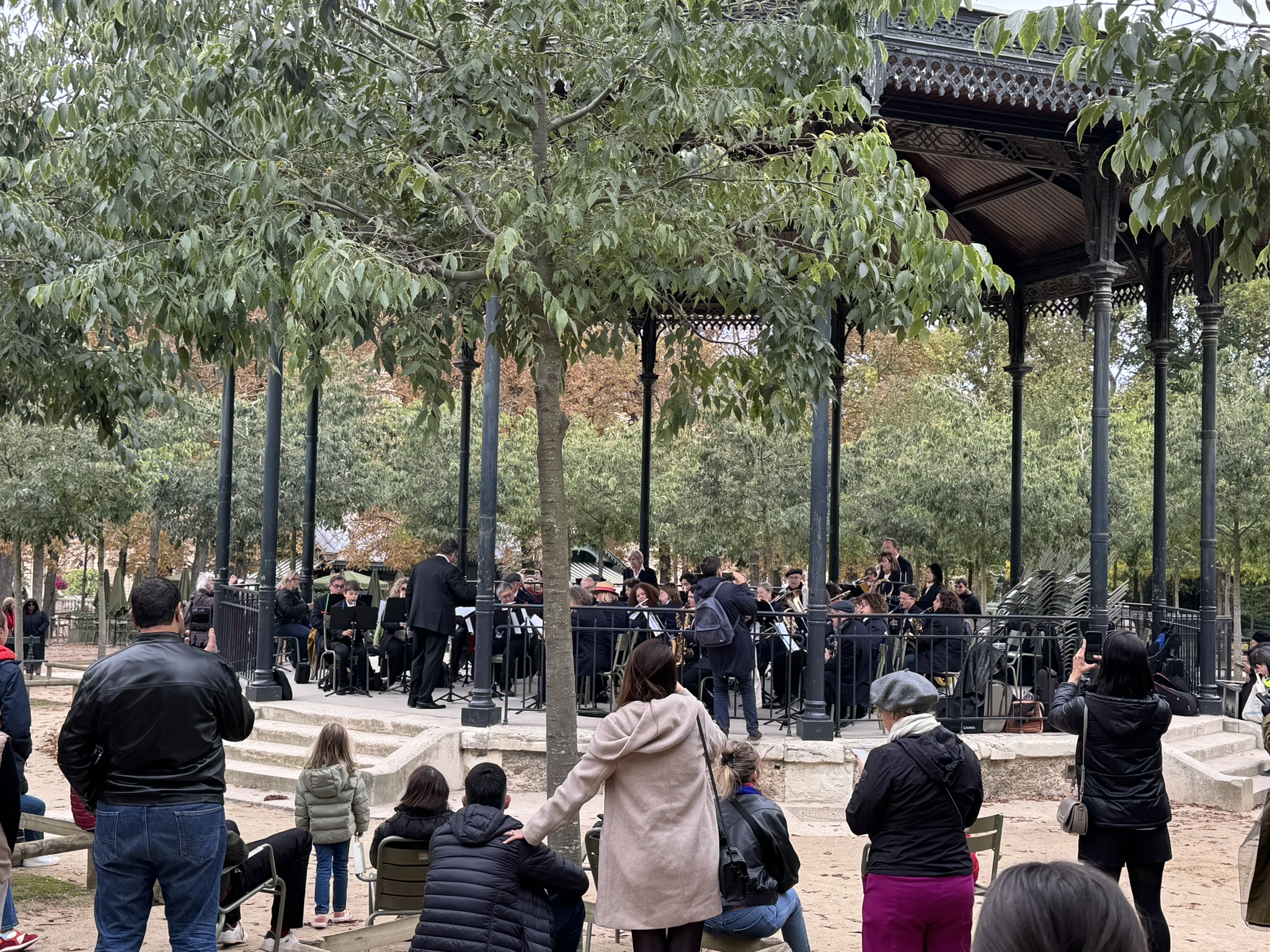
As we entered the garden that Sunday morning at the Porte Gay-Lussac, we were greeted by the sounds of music coming from what appeared to be a small community orchestra at the nearby Kiosque à musique. We made our way counterclockwise to the Médicis fountain and then past the Senate building, protected by a high metal fence and guards with firearms. We continued around the perimeter of the garden, making side trips into the interior from time to time. Before leaving, we spent a few moments near the Grand Bassin, a large octagonal basin of water surrounded by raised balustraded terraces adorned with a series of statues of former French queens, saints, and other historical figures.
Orchestra at Luxembourg GardenLuxembourg Garden
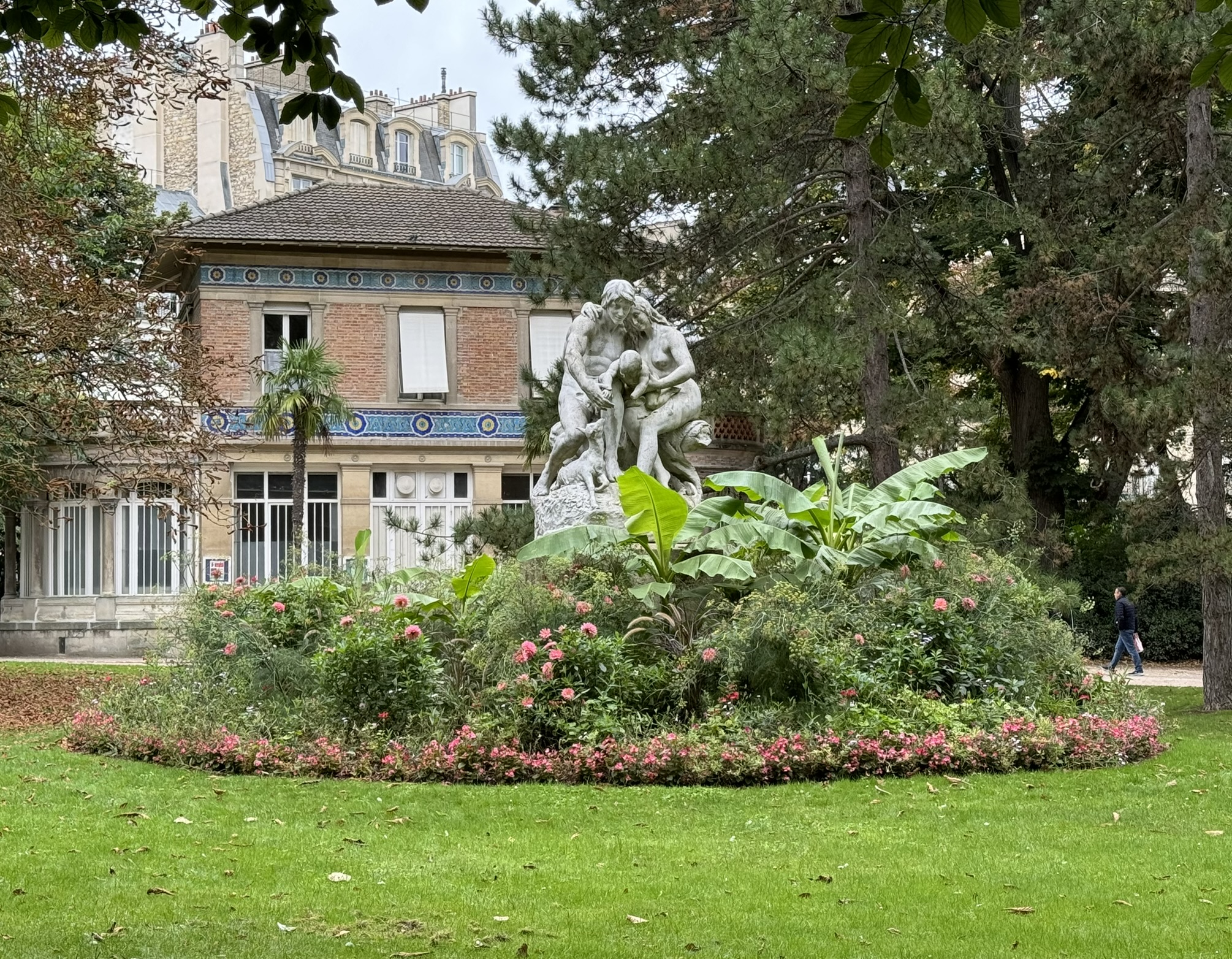
What impressed me most about this garden is how brilliantly the built environment blends with and enhances the horticultural surroundings. Walkways wind through trees, hedges, shrubs, lawns, and planted beds, encouraging us to meander and gaze. Statues, sculpture, and other features are spaced out and in the open or tucked neatly into nooks and crannies, inviting us to explore and pause to appreciate and learn. Luxembourg Garden is truly an oasis we can enjoy simply for its beauty and design. However, it’s also an outdoor classroom for aspiring students of all ages who wish to be schooled in botany, art, architecture, history, and so much more.
Bacchus (Dionysus) statue at Luxembourg GardenLuxembourg GardenGrand Bassin at Luxembourg Garden
In my experience, people tend to be a bit too generous in their descriptions of deceased friends and loved ones laid out in caskets. “She looks so peaceful.” “He looks like he’s sleeping, doesn’t he?” Or my personal favorite, “They made her look so beautiful, didn’t they?” Oh please. No disrespect intended, but I have never liked the idea of the obligatory viewing of the body at funeral homes and have avoided it as much as possible, even with relatives. Dead people always look like they are missing something essential, and they are. They are missing the look of life, which can even be perceived in those who are in a deep sleep. I have no intention of being on display upon my own death, which is one of the reasons I will be cremated and sent on my merry way to the Grand Tetons National Park. Ashes to ashes, dust to dust, and I will be nourishing plants and animals until I am completely and efficiently recycled back into the biosphere.
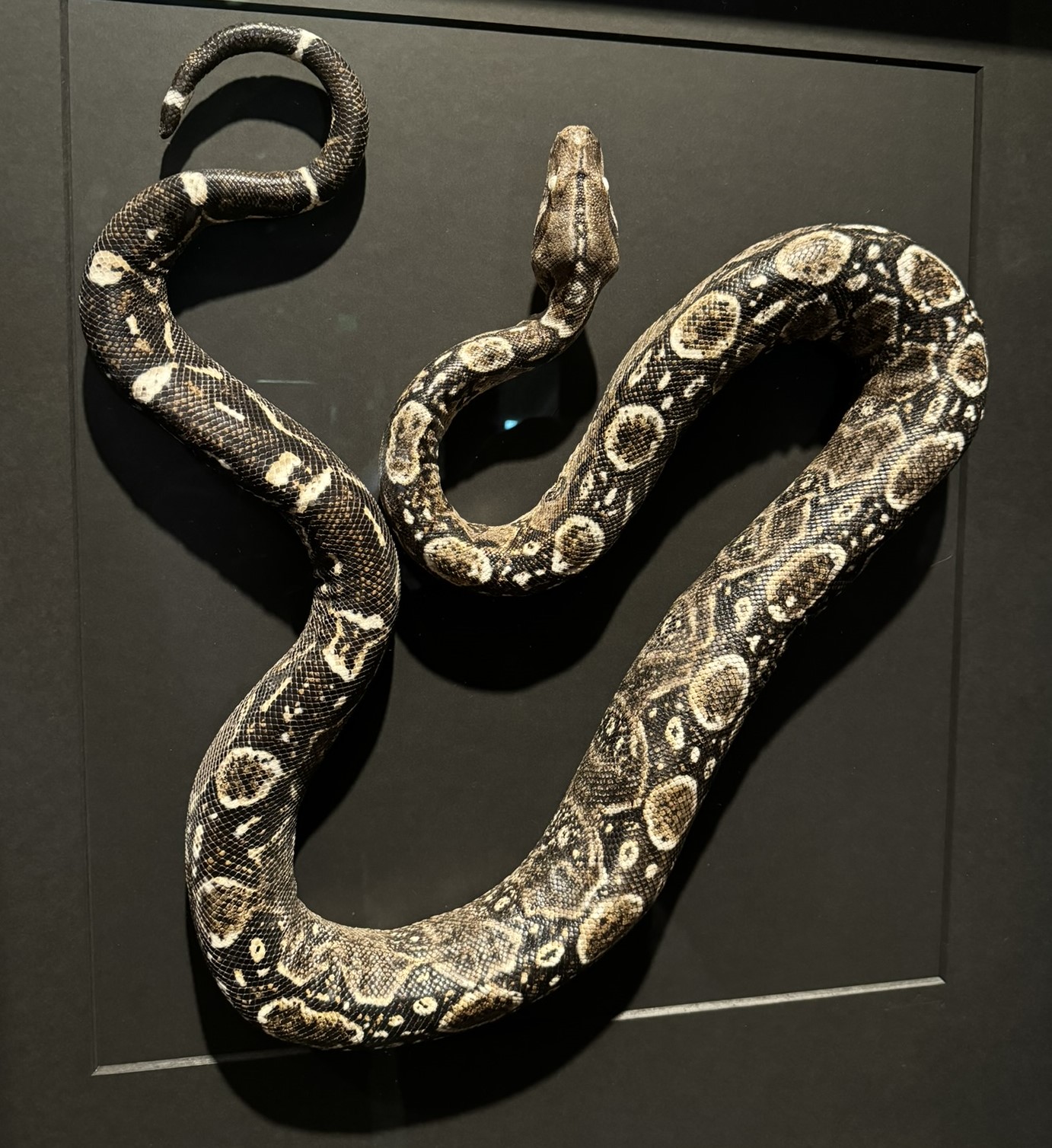
Speaking of animals, somehow many other species look different to me in death than humans, that is, if they haven’t started to decompose. This is especially true of insects, birds, reptiles, and amphibians. They often retain their colors and external patterns for a while, which is much better than rapidly fading to gray or some other shade that is the antithesis of living flesh. Let’s face it, many of these critters have colors and patterns more striking than the most expensive tattooists can paint on human epidermis. Artist and naturalist Christopher Marley has a sincere appreciation for the shapes, forms, and colors of the natural world and has created artistic designs using the preserved bodies of dead creatures, along with some minerals, in a breathtaking exhibit called “Exquisite Creatures.”
Exquisite Creatures Exhibit at Crystal Bridges Museum
My wife and I were fortunate enough to catch Marley’s show at Crystal Bridges Museum of American Art in Bentonville, Arkansas in July 2024. Most of the specimens are matted and framed under glass, hanging on the walls of the exhibit hall, with back lighting to enhance the incredible colors and designs of his arrangements. Kaleidoscopes of beetles, butterflies, moths, shells, and feathers are on display along with carefully choreographed groupings of snakes, lizards, skinks, fish, crustaceans, and birds. Some of the bug collections look almost exactly like beads of water resting on an impervious surface. The iridescence of the shells and exoskeletons is stunning, especially as they are arranged under the perceptive and sensitive eye of this artist.
Exquisite Creatures Exhibit at Crystal Bridges Museum
Marley collects the subjects of his work from a network of people around the world. His first book published in 2008 titled Pheromone focused on his artwork with insects. In the words of his publisher, “Marley has used his skills as a designer, conservator, taxidermist, and environmentally responsible collector to make images and mosaics that produce strong, positive emotional responses in viewers.” I completely concur with that evaluation. We were blown away with how he has taken many creatures that are often repulsed by people in general and molded their forms into magnificent displays that are indeed exquisite.
[Note: The photographs included here are not great quality, primarily because the gallery was so crowded and getting close and lined up to take a photograph was extremely difficult. Also, no photograph can replicate the experience of seeing these displays in person.]
Exquisite Creatures Exhibit at Crystal Bridges MuseumExquisite Creatures Exhibit at Crystal Bridges MuseumExquisite Creatures Exhibit at Crystal Bridges MuseumExquisite Creatures Exhibit at Crystal Bridges MuseumExquisite Creatures Exhibit at Crystal Bridges MuseumExquisite Creatures Exhibit at Crystal Bridges Museum
“You will always find an answer in the sound of water.” –Zhuang Zhou, Chinese Taoist philosopher
The ancient Chinese master may have been a tad optimistic with this simple maxim, but from my personal experience, he wasn’t too far off the mark. For as long as I can remember, I have been drawn to water: the coast, waterfalls, lakes, ponds, rivers, and streams. Stationary water has its charm, but running water really seduces me. Even fabricated water sources like garden ponds and public fountains exert a gravitational pull on me. I photograph or video record flowing water. If I have the spare time and a place to sit nearby, I will pause as long as possible to watch and listen to the soothing sounds of rocky cascades and bubbling brooks. I am equally overwhelmed by the display of power and the deafening roar of huge or towering waterfalls. I have written about these experiences frequently in this blog.
Missouri Botanical Garden
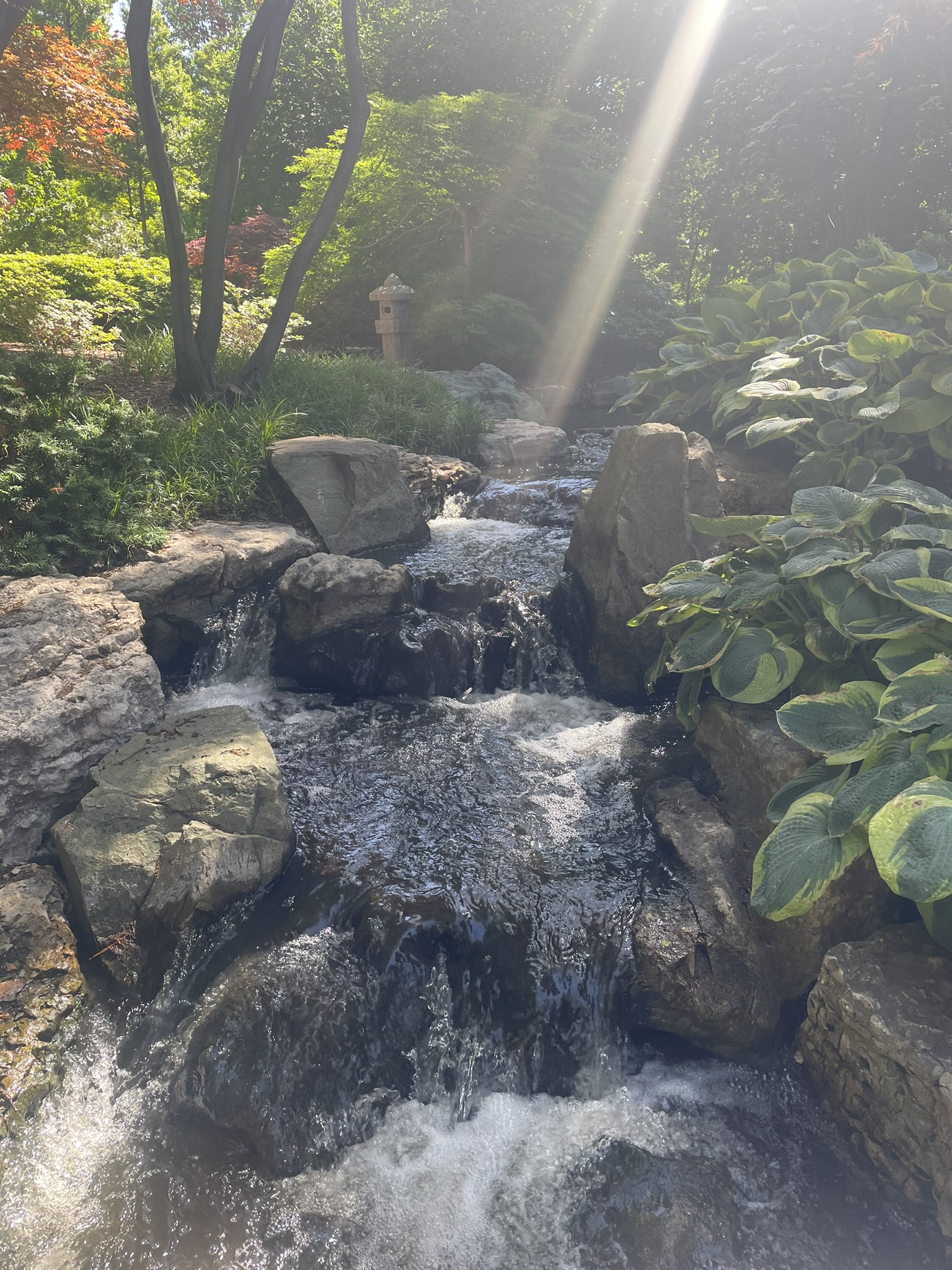
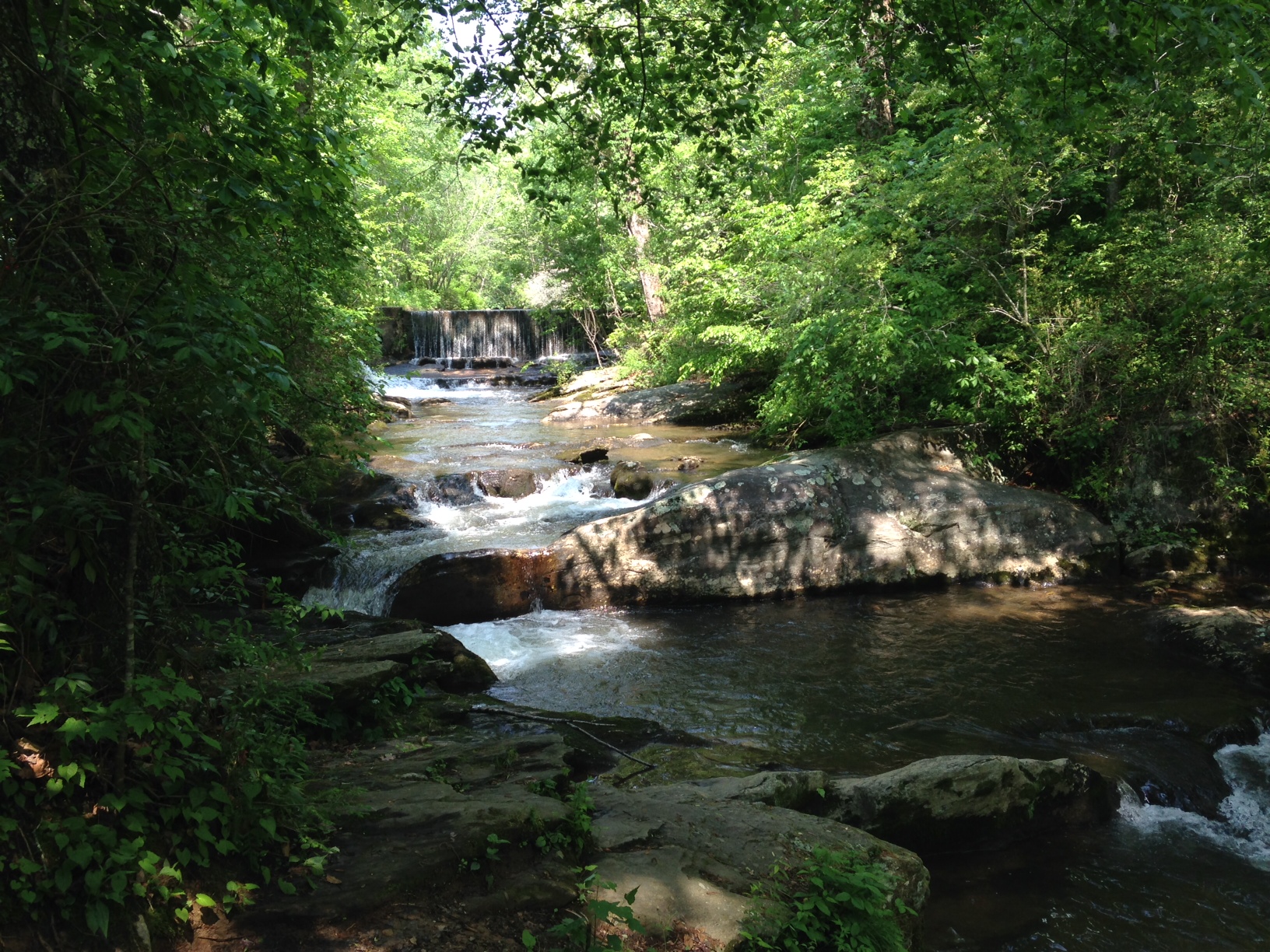
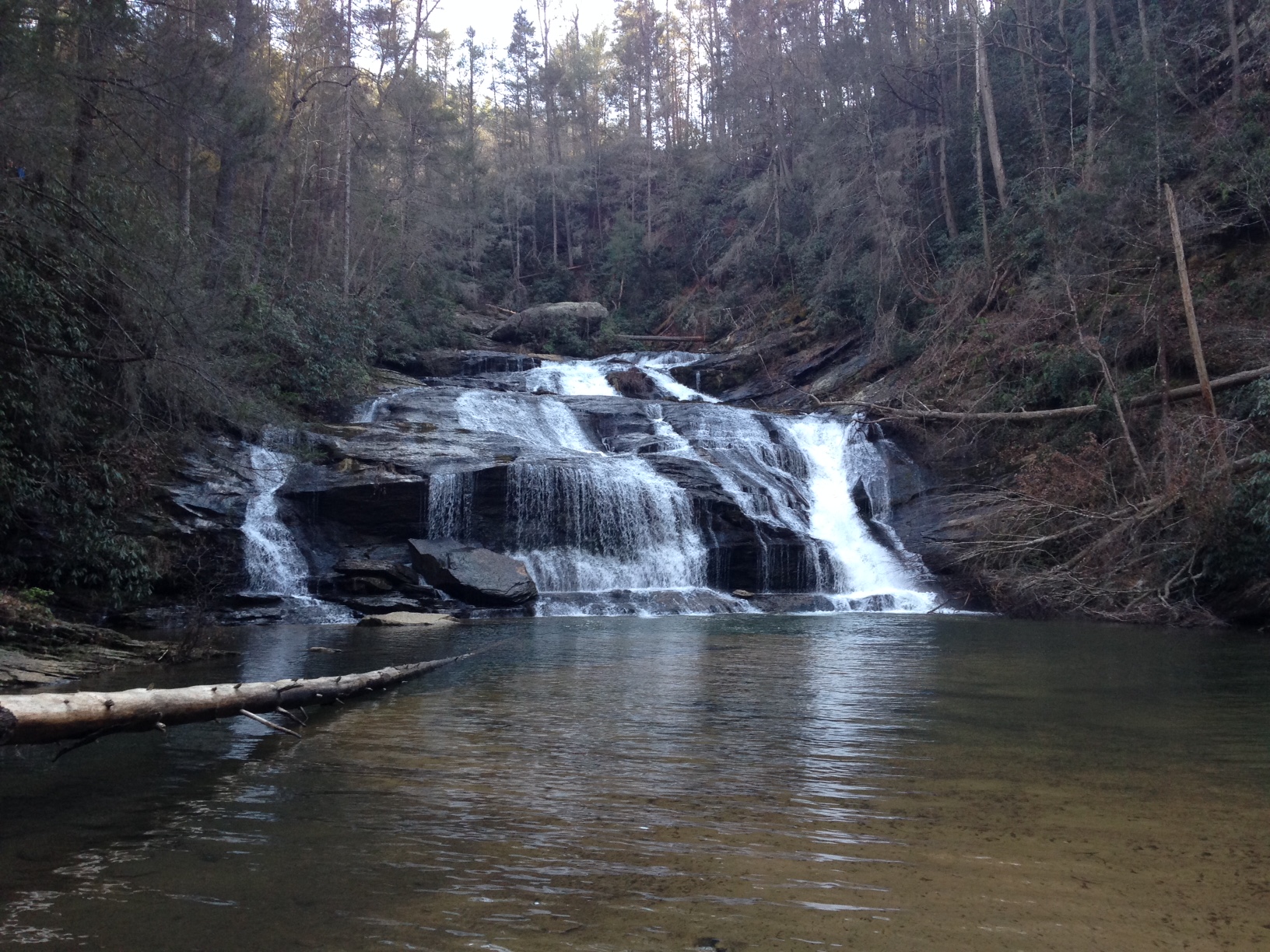
As much as I have enjoyed exploring nature trails over many decades, I must admit that a major incentive to lather up with insect repellent, pull up ankle boots, and strike out with a hiking pole in each hand is to find some source of flowing water. I also look for it at botanical gardens, arboretums, conservation centers, and even at city parks and plazas. The sound beckons me. When I am within ear shot of it, I can immediately feel a sense of serenity. I am connected to the natural world most intensely in those moments. It is impossible to capture or recreate this encounter with audio, photo, or video recording equipment. The results are only a reminder, not a replication. Nevertheless, I offer here some of my favorite photos of rushing water, or at least water in motion.
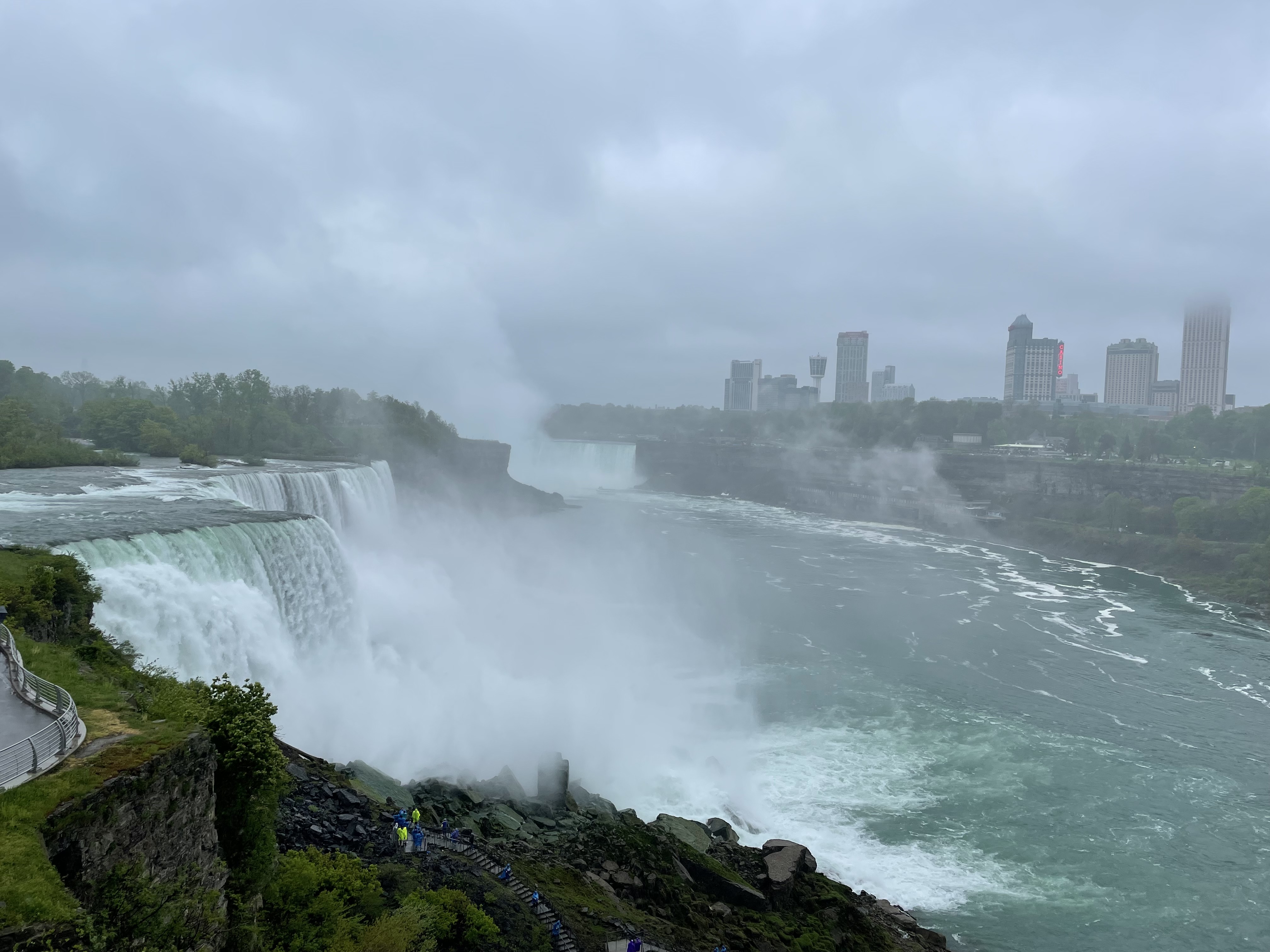
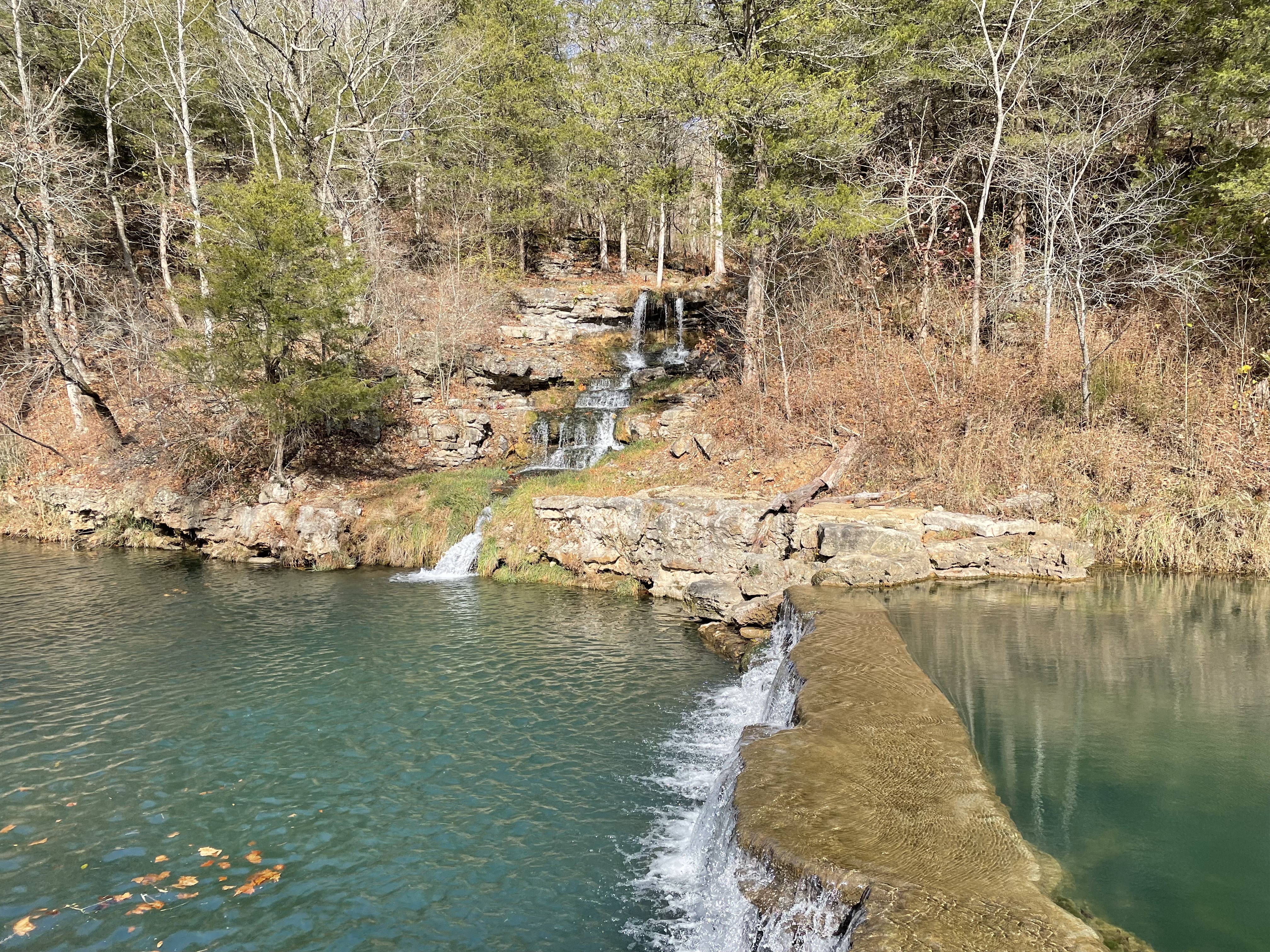
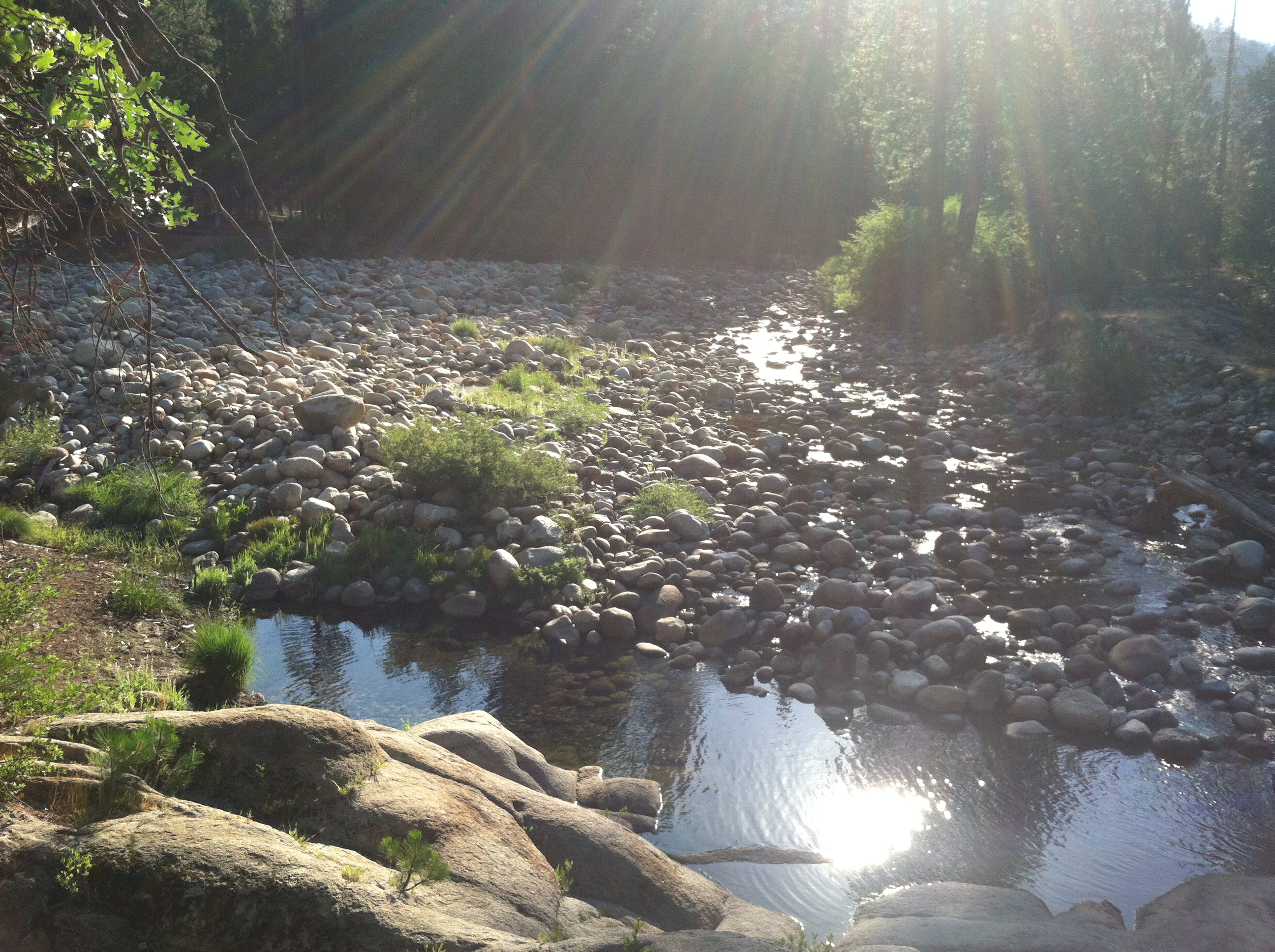
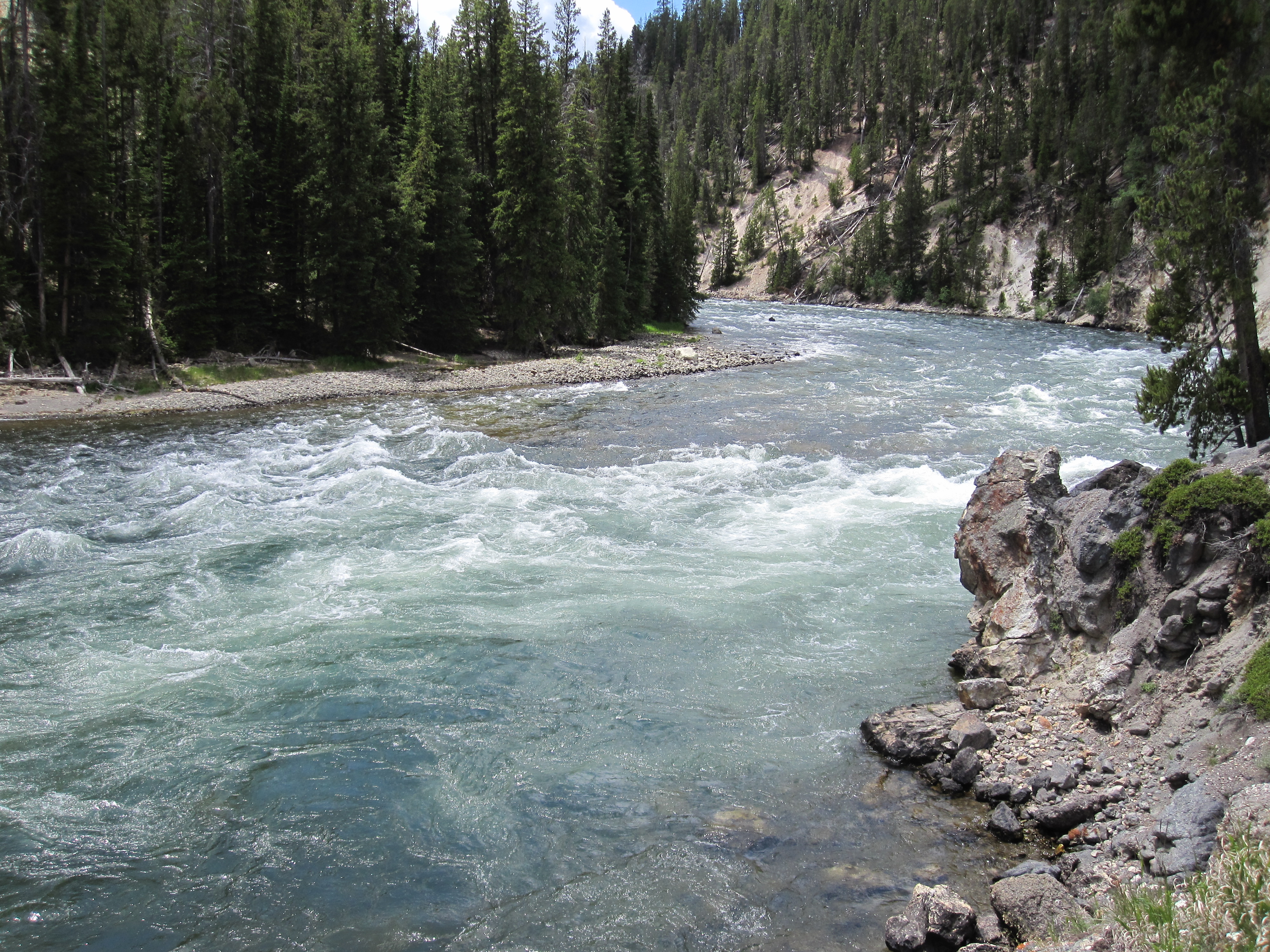
Moccasin Creek, Rabun County, GAPanther Creek Falls, Habersham County, GANiagara Falls, NYDogwood Canyon Nature Park, Missouri OzarksYosemite National ParkYellowstone National Park
The Ozarks is one of those regions of the country that is diverse and interesting enough to be a tourism gold mine. From the bright lights and music of Branson, Missouri, to the gentle flowing current of the Buffalo River in Arkansas, there is something for just about everyone. Although there are no large cities in the Ozarks, there are towns with a few city amenities, like the restaurants, shopping, museums, and entertainment spots available in Springfield, Missouri and Fayetteville and Bentonville, Arkansas. On the other hand, Ozarks visitors can head off grid and commune with nature at any number of conservation areas, state parks, national parks and forests, national rivers, and wilderness regions.
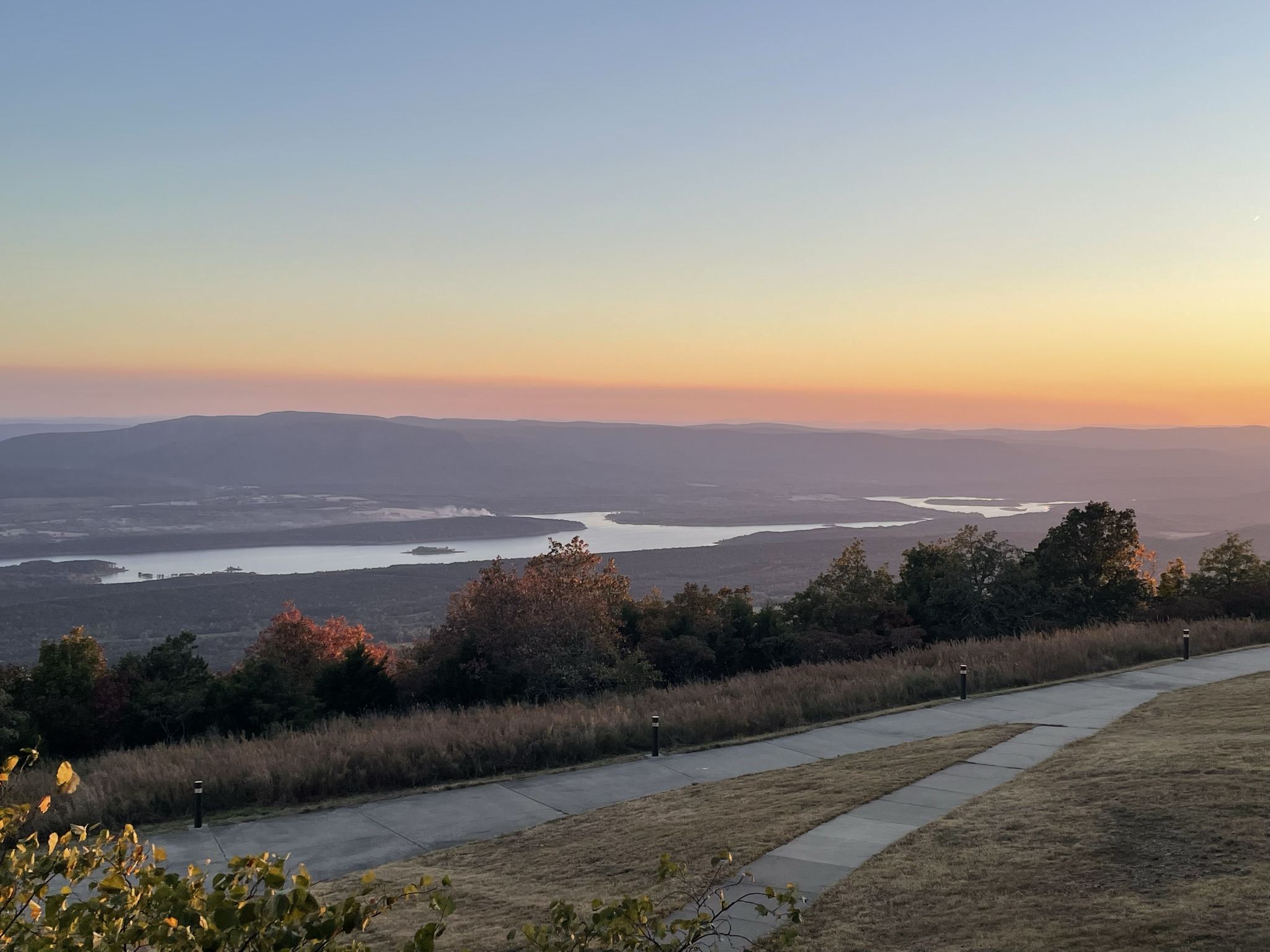
Mount Magazine State Park, Arkansas
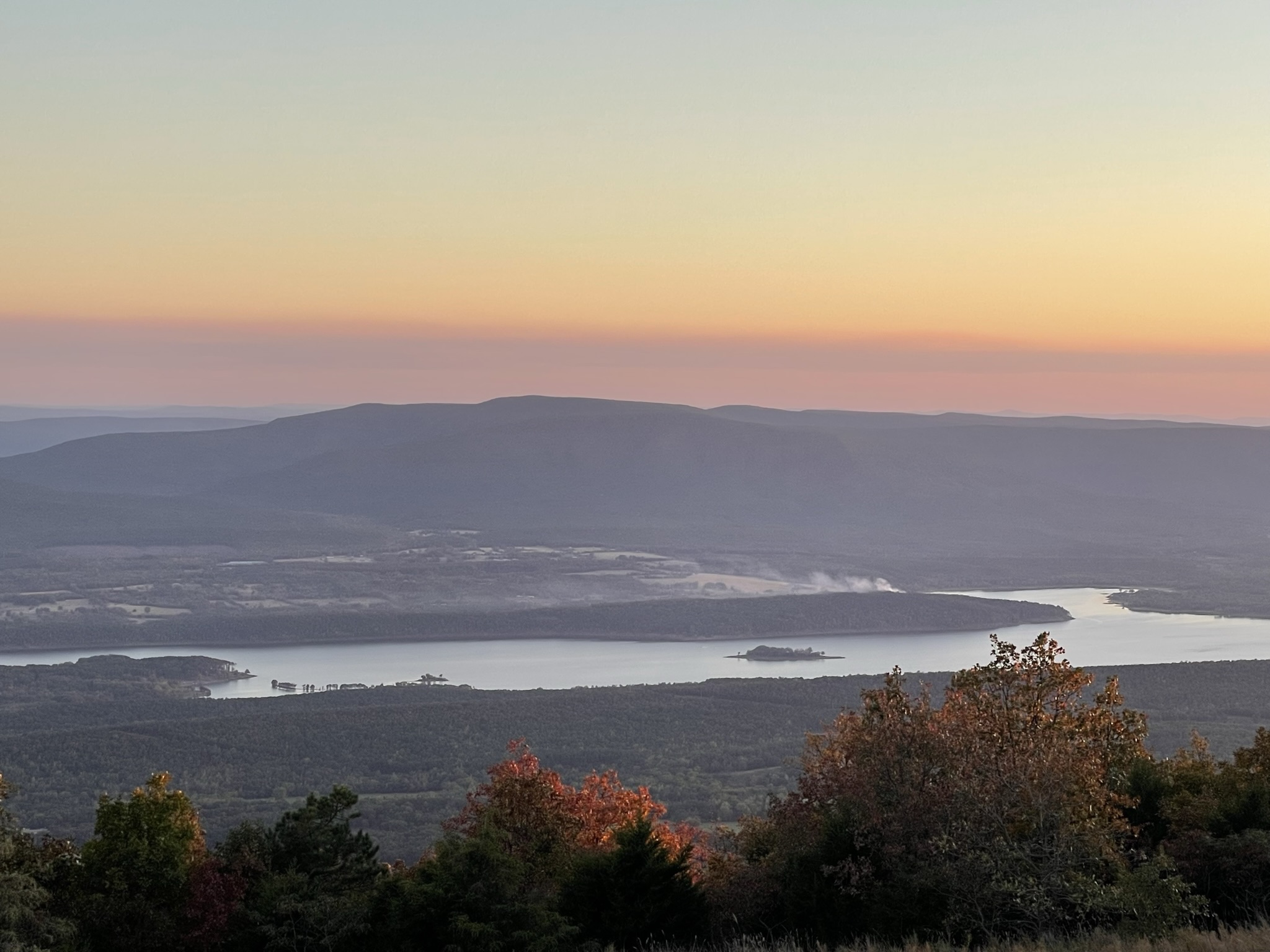
Between those opposite ends of the destination scale, there are a few spots that offer a nice blend of the outdoors with the comforts of the built environment. One of those is the Lodge at Mount Magazine State Park near Paris, Arkansas. Located just below the crest of the highest peak in the state (2,753 feet), the lodge is situated on Mount Magazine’s south bluff overlooking the expansive Petit Jean River Valley and Blue Mountain Lake. Because this ridge is so high above the valley floor, the park includes a launch area for hang gliders within walking distance of the lodge. Other activities to enjoy include mountain biking, horseback riding, backpacking, and ATV riding. The park visitor’s center is within walking distance of the lodge on one of several nearby easily accessible nature trails.
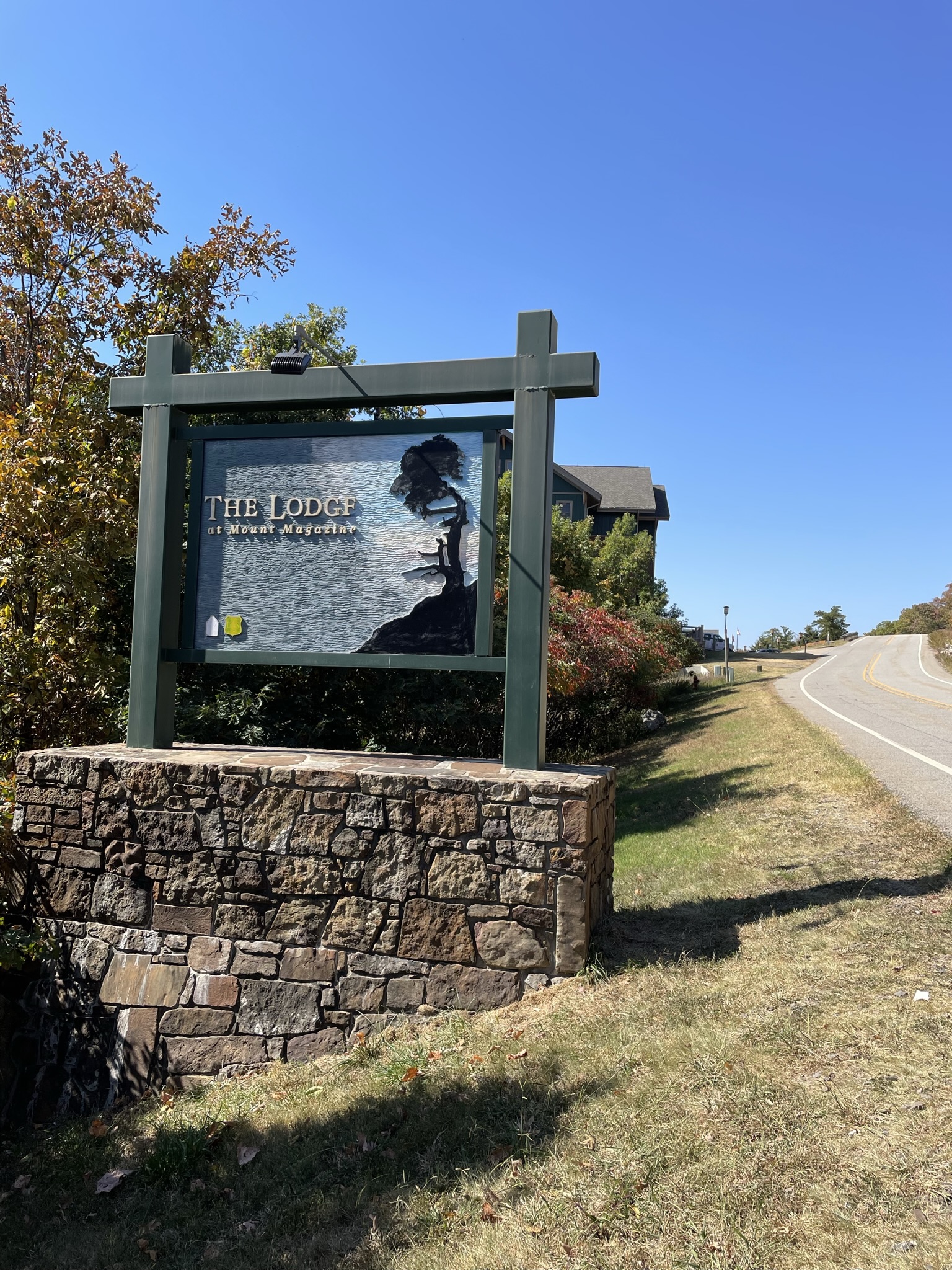
The Lodge at Mount Magazine State Park, ArkansasThe Lodge at Mount Magazine State Park, Arkansas
The term “lodge” may be a bit misleading to potential vacationers to the site. Other than the rural setting, the exposed pine log beams, the nature-themed art, and the natural rock accents, the lodge has many of the comforts of a resort. The rooms are well appointed, many of which have a whirlpool spa. The indoor pool is spacious, and there is a fitness center and a game room too. There are multiple seating areas with large glass panels looking out over the valley. The dining room and bar are a real cut above what most guests would associate with a state park. Accommodations range from individual rooms and suites in the main lodge to cabins of various sizes flanking the building on either side, all overlooking the valley. Each cabin has a fully equipped kitchen, fireplace, and covered deck with an outdoor hot tub. The lodge also houses a conference center.
The Lodge at Mount Magazine State Park, Arkansas
What attracted me most about the lodge and prompted me to book a room for my wife and me in the fall of 2022 was the view. It is magnificent. We spent many hours on the balcony of our lodge room looking out at that incredible vista. The pleasant surprise was how nice the whole facility was. The service was great. The food was quite delicious and plentiful considering the price and the somewhat rustic setting, with buffets offered for most meals, although ordering from a small menu was an option. The park is in a remote part of the Ozark-St. Francis National Forests, but there are small towns only thirty minutes away. It’s a great place for the family that enjoys nature but doesn’t want to sleep in a tent or camper, although the park has plenty of campsites. The lodge and cabins are also perfect for a romantic getaway, and we are always ready for that kind of excursion.
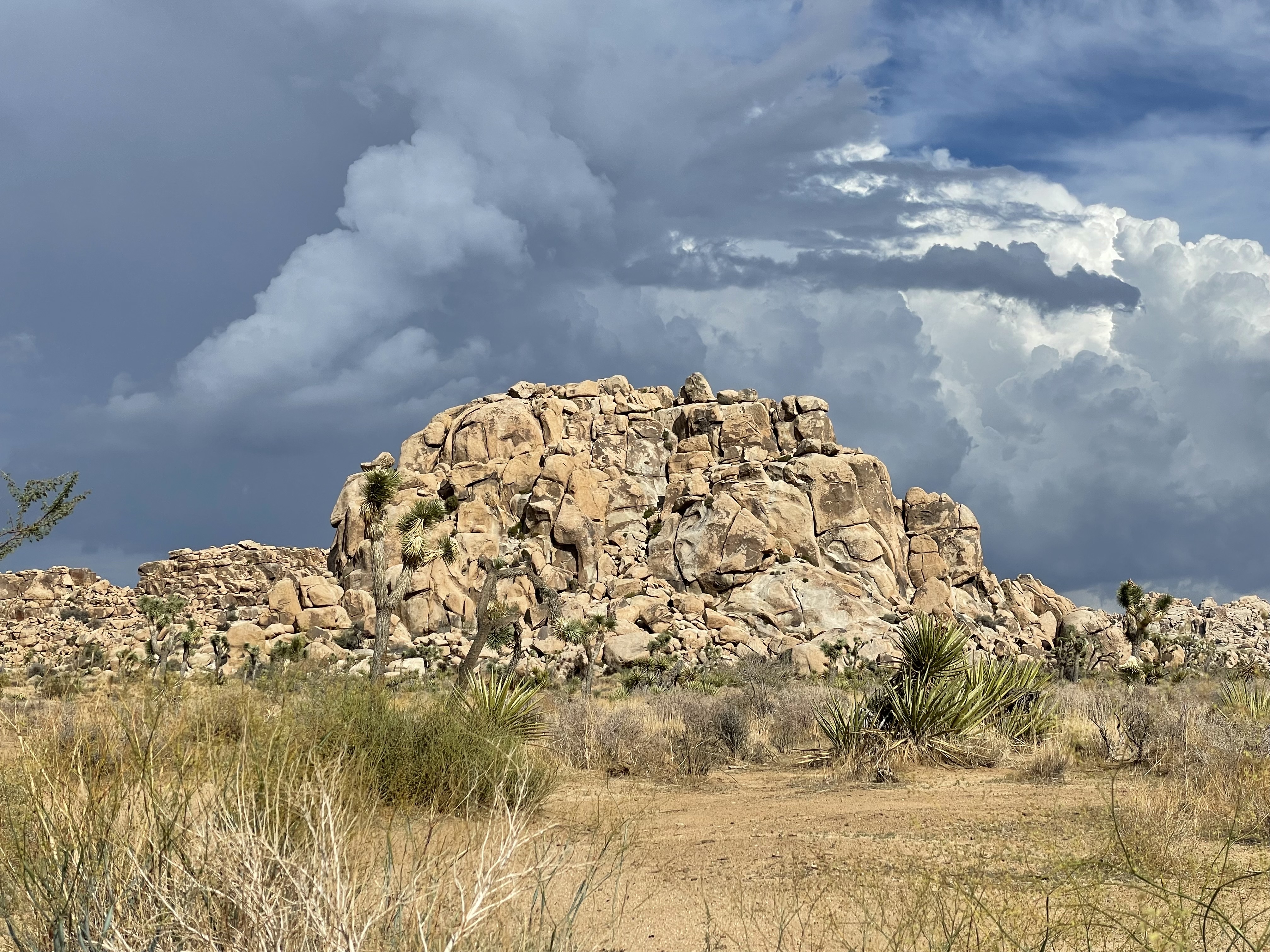
There is a bizarre and surreal place at the intersection of the Mojave and Colorado Deserts in Southern California that was several million years in the making. It was worth the wait. With massive rock formations rising up from the flat desert floor, Joshua Tree National Park is like a geological museum that is slightly larger than Rhode Island. It is hard to imagine that these stone towers, created from magma rising from deep below the surface and eventually hardening as it cooled, are what is left behind from millions of years of soil erosion. Boulders the size of boxcars are miraculously balanced on top of each other, like rock piles left behind by the children of gods.
Rock pile at Joshua Tree National Park
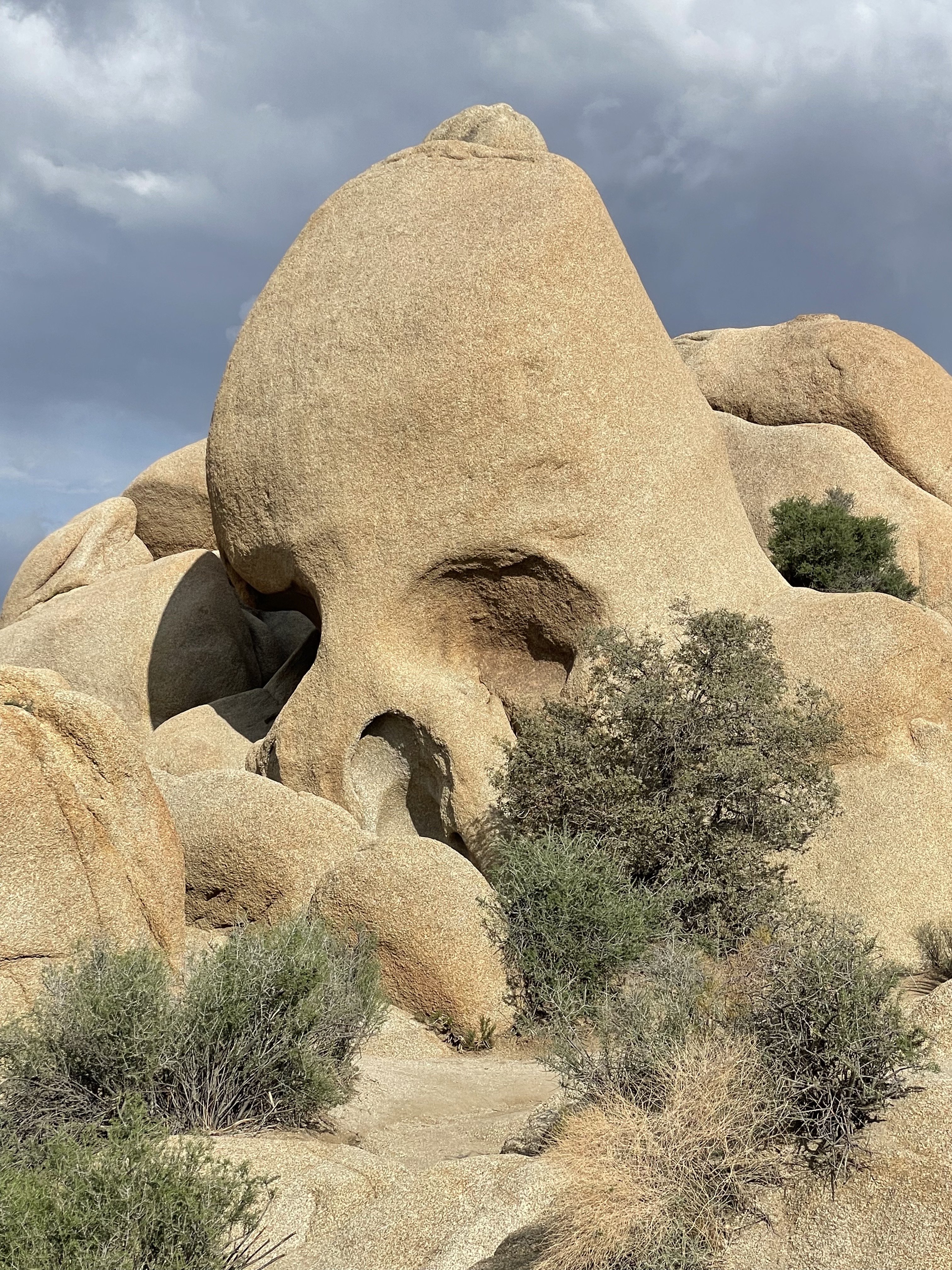
There are also large masses of rounded granite that have been altered and even sculpted by rain, wind, ice, chemical reactions, plant roots, and other forces to form fantastic shapes and configurations. Set against the backdrop of nearby mountain ranges and surrounded by the desert floor, these structures are truly impressive. Throw in a developing thunderstorm billowing above (yes, it does rain in the desert) and you have all the makings of a classic Thomas Cole masterpiece.
Rock formation at Joshua Tree National ParkSkull Rock at Joshua Tree National Park
Then there is the namesake of the park, the Joshua Tree, which would fit perfectly into the backdrop of almost any picture book by Dr. Seuss or on the cover of a paperback book about planets on the other side of the galaxy. Belonging to the same family of Agave plants native to tropical South America, Joshua Trees are a type of Yucca, which we often associate with the short, dark green spiky plants of the tropics and deserts. Joshua Trees have an almost whimsical character, proving yet again that nature has a sense of humor. The plant takes on many different shapes and sizes, as if taking its cue from the rocks around it. Joshua Trees have a rather limited range within the deserts of California, Nevada, Utah, and Arizona.
A Joshua Tree at Joshua Tree National Park
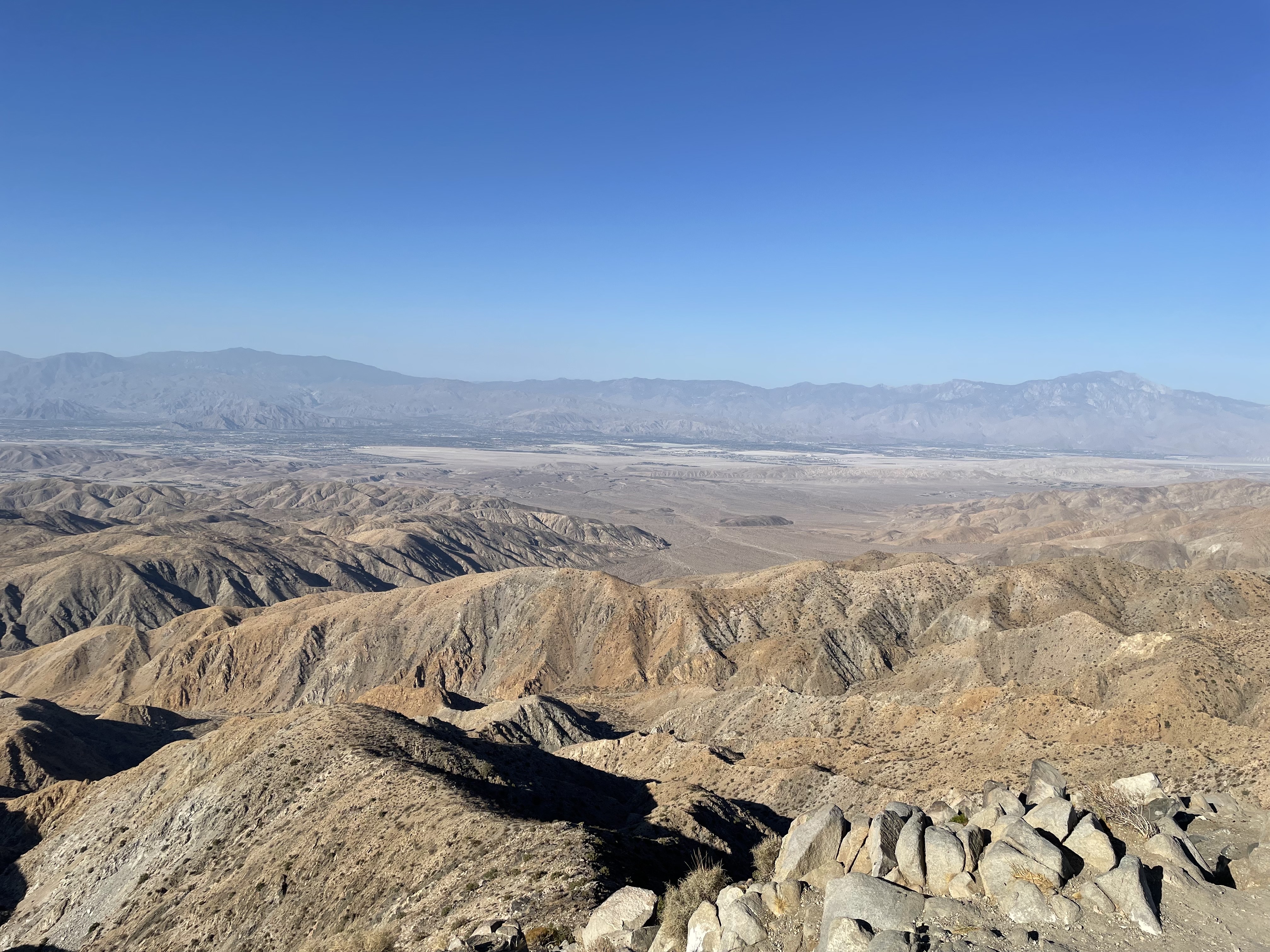
There are several places in this wonderful park where visitors can get breathtaking panoramic views of mountain ranges and valleys that stretch out for miles. At just the right position and vantage point, the scene is reminiscent of something out of a science fiction movie. At the very least, these vistas could serve as inspiration for visual art depicting imaginary worlds. Joshua Tree National Park is one of those natural wonders of the United States that is somehow liminal, neither here nor there, but somewhere between.
In late 2018, my wife and I moved from Georgia to Springfield, a town of about 170,000 people in southwest Missouri. It’s a great location for us because we have family and close friends in Georgia, Kansas, Texas, and Arizona. We really enjoy traveling, especially to the desert southwest, but we like the Florida beaches and places like New York City, Chicago, and Nashville. Living in Springfield strategically positions us near the center of the country and makes it easier to get to family, friends, and fun destinations. The icing on the cake is the small national airport that is a mere twenty minutes from our house, which is serviced by three major airlines and a few budget carriers.
Southern Missouri and northern Arkansas make up the bulk of the region known as the Ozarks. It as an area of the country defined by a variety of factors, from geology and topography to culture and customs. It is also quite beautiful. It is rich in natural resources, especially water, minerals, and forests. It is a complicated region in almost every category imaginable. Although it boasts no major cities, it does have some bustling urban centers. There are some wealthy people in the Ozarks, but there are far more families living in serious poverty. On the political spectrum, it is largely conservative with pockets of progressivism mostly in and around the cities.
Admittedly, I knew very little about the Ozarks. I had never set foot in Missouri and only visited once just a few months before we moved here. To get “learned up” about our new home, I did what I always do when encountering something new and unfamiliar. I started reading. The following is an annotated list of books I have read about the Ozarks over the last three years or so. My bibliography is in no way intended to be comprehensive or even representative; however, these books have given me greater insight into the history, culture, and people of the Ozarks. All of these titles are nonfiction, but I have also read fiction by Ozarks writers or stories set in the region. Perhaps sometime I will write a post reviewing those books as well.
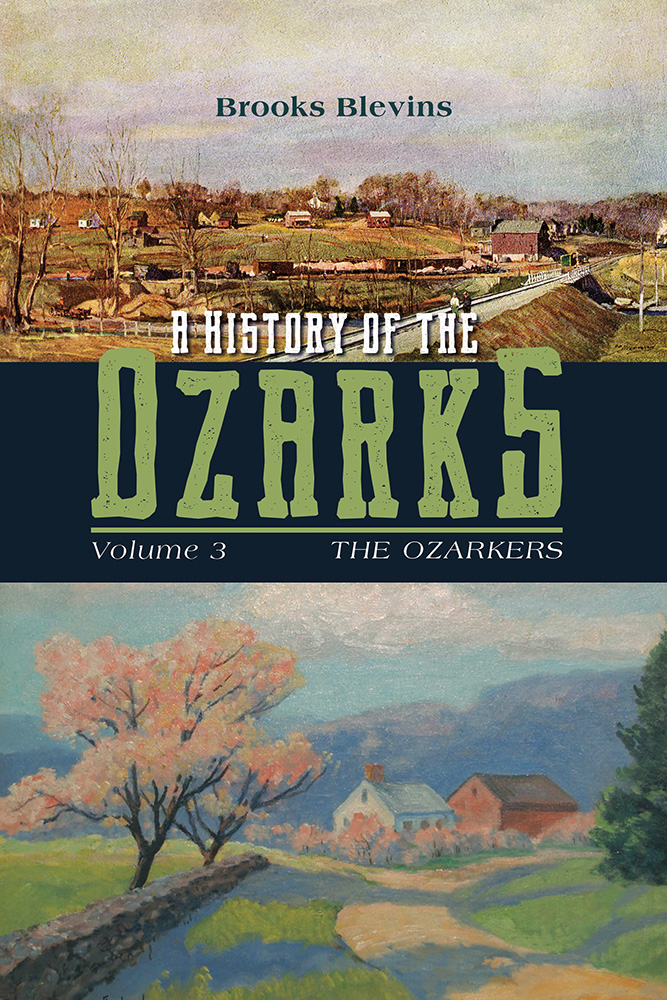
A History of the Ozarks, Volume 3 by Brooks Blevins
A History of the Ozarks, Volume 3: The Ozarkers by Brooks Blevins Brooks Blevins is the uncontested authority on the history of the Ozarks. He is a professor at Missouri State University in Springfield, where I am also employed. But his full-time residence is in northern Arkansas, so he has his feet planted in the two main states of the Ozarks. He is a fine writer, a serious scholar, a respected teacher, and an all-round nice fellow. I have only read this 3rd volume of his trilogy, but I intend to at least go back and read the 1st volume covering the early history of the region.
Blevins is at his best when he is dispelling many of the misconceptions and over-generalizations of the Ozarks as a place full of backwoods hillbillies with no connection to the modern world. He also does a great job of pointing out the most attractive features of the region without romanticizing or falling into the trap of exceptionalism, which is always tempting to do if you are so identified with a place, which I believe he is.
The chapters on “Ozarks Society” and “Putting on a Show,” along with his “Conclusion,” were the most interesting to me because they highlight how much the Ozarks have changed over the last 150 years and are continuing to evolve. I’m not sure I agree with Blevins that the specific location of the Ozarks, a topic of serious debate for generations, is best defined by where the Ozarkers live; however, there seems to be a strong sense of place appreciated by so many people who live here, quite similar to sentiments held by many people in the Deep South about their region. This is a solid historical overview of a complex and fascinating part of the country in the modern period.
Living Waters: The Springs of Missouri by Loring Bullard This book is well documented and researched. The photographs of the springs and streams they feed are stunningly beautiful. The layout of the book makes it easy and enjoyable to read. However, aside from the technical aspects of the book, Bullard clearly has a passion for his subject that is both personal and professional, which is demonstrated in the text of every page.
The organization of the book is especially fine, with chapters focusing on features and functions of springs rather than on individual locations. Bullard incorporates a considerable amount of history to offer context and appreciation of how past generations have understood and valued springs in the state and have taken advantage of them as valuable natural resources. Of course, the environmental message throughout is of paramount importance — we must take good care of our state’s springs because of the vital role they play in providing clean water for the ecosystems they feed.
White Man’s Heaven: The Lynching and Expulsion of Blacks in the Southern Ozarks, 1894-1909 by Kimberly Harper Harper presents a thoroughly researched and well documented scholarly study that helps explain why the southwestern Ozarks is such a white region of the country. Lynching occurred in many places across the South, and obviously, into the Midwest. Many white people who had lived during the time of slavery, whether they actually owned slaves or not, resented the new autonomy of black people in their communities during Restoration. Over the decades, resentment evolved into a fear. “While blacks may not have been true economic, social, or even political competitors in the region, whites viewed blacks as a threat to their wives, daughters, and police officers.” Obviously, much of the fear centered on the perceived sexual predation of black men. “It was believed that women were not safe in the country or the city, so long as African American men roamed free.”
However, Harper goes beyond the acts of horrible white mob violence to explore why African Americans were driven out of communities, often at the same time lynching took place. Similar action was taken in other parts of the country — Forsyth County in north central Georgia comes to mind. Other areas of north Georgia, especially in the Appalachian foothills, still have small black populations to this day.
In the Ozarks and in the north Georgia mountains, the economy in the early 20th century was primarily subsistence farming, which did not require much labor outside the extended family of the farmer. As Harper observes, “This was in contrast to the black-majority regions of the South, where inexpensive and readily available black labor composed a significant segment of the local economy, making African Americans indispensable to local white employers.” One could easily make the same argument in recent decades for why white farmers have not been so anxious to deport undocumented Latinos from regions of the South where industrial agriculture is dominant and depends on vast numbers of inexpensive laborers.
This is a fine addition to American history and African American studies. Harper’s book joins more recent work on lynching by prominent African American scholars. Highly recommended.
Hipbillies: Deep Revolution in the Arkansas Ozarks by Jared M. Phillips I had the opportunity to hear the author speak on a panel with two people who were involved in the Back To Land movement in the Arkansas Ozarks at a conference in West Plains, Missouri, in September, 2019. The people who decided beginning back in the 1970s to trade in urban dwelling for a rural, subsistence lifestyle among the hills and “hollers” of the Ozarks are often referred to as Hipbillies — a hybrid of hippies and hillbillies.
Phillips does a good job of placing this movement in the context of 20th century back-to-the-land and counter-culture philosophy characterized by the works of people like Wendell Berry and Gary Snyder. He gives proper credit to the successes of the Hipbillies while also recognizing their failures and some of their less-than-pure intentions. He credits them for fighting for environmental health, sustainable agricultural practices, and social justice issues. One of their greatest accomplishments was succeeding in modest changes to how the US Forest Service approached the management of timber.
Phillips admires how the Hipbillies, especially the pioneers from the early 1970s, faced overwhelming odds and even life-threatening circumstances yet still persevered to make it as homesteaders in a part of the country where the land is not so forgiving. He dispels some of the myths about how native Ozarkers rejected the Hipbillies. Instead, they often embraced them and even saved their lives during harsh winters and unpredictable farming seasons. There were clashes in places like Eureka Springs, but that was more a conflict between counter-culturists and town leadership.
The Hipbillies had big dreams when they landed in the Ozarks. “What was sought, then, was a rehabilitation of American culture — one that began in the dirt and grew over time like the forest that slowly reclaims and heals a ruined field,” Phillips writes. He contends that the Hipbillies took themselves seriously as revolutionaries. They “came to the Ozarks seeking refuge and a place in which they might build a new world for themselves, and hopefully, all of humanity . . . . While they did not always succeed, the story is not over — they are still alive and are still powerful cultural, political, and economic forces in the Arkansas highlands.”
Hillbilly Hellraisers: Federal Power and Populist Defiance in the Ozarks by J. Blake Perkins The myths and stereotypes about the Ozarks are deeply ingrained in our consciousness, but they never have painted a true picture of the people and their culture, desires, needs, problems, etc. Perkins’s book reinforces one essential truth about Ozarks people: they tend be proud and fiercely independent, even in the face of long-term adversity.
There is a strong tradition of tension between individual rural families and individuals and/or institutions in authority. Poverty has always been a dark shadow hanging over the Ozarks, even when other parts of the country were climbing out of it. Although many people here petitioned for government assistance in the past, there is a history in this region of distrust of government programs, which ended up being administered and exploited by local and state officials. Law enforcement was fine as long as it didn’t try to stop individuals from scraping out a living, even through illegal means. More than anything, native Ozarkers have always just wanted to be left alone. When their autonomy was threatened, especially by outside forces, they sometime became violent.
Ozarks Hillbilly by Tom Koob and Curtis Copeland Koob and Copeland do a good job here of presenting the stereotypes of the Hillbilly as the term has been used in literature and other art forms to describe many of the rural folk in the Ozarks. The authors argue that, contrary to the traditional image of a lazy, shiftless, ignorant, depraved character, the Ozarks Hillbilly is quite industrious, shrewd, and highly skilled. Hillbillies are survivalists and generations of them have struggled to provide for themselves and their families in a harsh and unforgiving environment.
I found it odd in a book about the Ozarks how much time the authors spent on discussing Appalachian Hillbillies. They seem to have keen interest in the way Hillbillies were presented in Deliverance, the novel by James Dickey and the popular film adaptation starring Burt Reynolds and Ned Beatty. There are definitely similarities between the two regions of the country, which have been explored by numerous scholars. The stereotypes of the rural residents of both areas also share commonalities. Perhaps a comparison/contrast book would have been even more helpful and intriguing.
Where Misfits Fit: Counterculture and Influence in the Ozarks by Thomas Michael Kersen For Kersen, the town of Eureka Springs, Arkansas, serves as an archetype for his thesis of how counterculture distinguishes the Ozarks and is among its more charming and sustaining features. As he states it, “The magic of Eureka Springs is that the town is a mass of contradictions and microconflicts that breed [sic] creativity.” No wonder that the book’s title is also the semi-official motto of the town: Where Misfits Fit.
Kersen does a good job of weaving the eccentricities of the people who occupy the Ozarks into the history of the region. He first offers his identification of the region, defining it by geography and culture. He then proceeds to outline its countercultural characteristics through popular myths, artistic expression, supernatural fixations, cult activity, musical influence and inspiration, and the back-to-the-land movements primarily of the 1970s (the author’s parents brought him to the Ozarks from Texas as part of this larger movement).
A thread running throughout the book is Kersen’s use of the adjective “liminal” to describe the Ozarks – a place that is difficult to box in and that continually crosses lines. He writes that “the Ozarks defies boundaries of all sorts — it is a work in progress.” Here again, the contradictions of the area come into play. For instance UFO enthusiasts that have been drawn here for decades rely on scientific knowledge about astronomy and space exploration but scorn scientists who fail to validate their paranormal claims. Kersen recognizes that “eccentric places attract eccentric people — people willing to live and think in the margins.” He also believes the Ozarks “offers something unique for its inhabitants and even American culture at large.”
I found some of the most valuable information in the Conclusions chapter, especially about the impact of in-migration into the Ozarks from countries around the world. The author wonders how Ozark identity will change as the racial and ethnic profile of the region continues to change. The book has extensive end notes, an impressive bibliography for further reading and study, and a decent index. Just a few points of criticism: the book could have benefited from skillful editing. There are too many typo kind of errors for an academic press book. Also, I suspect this book is a collection of separately-written essays because there is considerable repetition of information in the chapters. Otherwise, it is a fine book that is both accessible and informative.
Lake of the Ozarks: My Surreal Summers in a Vanishing America by Bill Geist I was drawn to this book primarily because I visited the Lake of the Ozarks just a few months after settling here. I didn’t know anything about Bill Geist as I never watch Sunday Morning on CBS. I may have read his columns before but am not aware if I have. I can relate to many of the references Geist makes to growing up in the 1960s and 70s, although he is a bit older than I am. Some readers will no doubt be put off by the political incorrectness of the author’s perspectives, language, and the circumstances from his adolescence, but I suspect he is being perfectly honest and straightforward with his recollections and descriptions of his life and times working for his uncle and aunt at their lakeside lodge. There are some really laugh-out-loud passages in this book, which made it an enjoyable read.
Footprints in the Ozarks: A Memoir by Ellen Gray Massey This is a pleasant read. It isn’t challenging; the text is straightforward; it doesn’t reveal anything new about the Ozarks region; it gets a bit sentimental in places; and it is so bucolic that the reader can almost smell the cow manure on the farm where Massey lived and raised her family. She also worked as a high school English teacher, and apparently quite a good one. She supervised her students over a ten-year period as they produced a quarterly journal titled Bittersweet. The value of this book lies in Massey’s descriptions of the social mores of her community, the relationships of family and friends, the tragedies her family faced (including the death of her husband), and how life in the rural Ozarks was fulfilling and rewarding to her, as it has been for so many others for many generations.
























 If You Want My Opinion