Arizona’s Boyce Thompson Arboretum

During our annual winter vacation to Arizona for 2025, my wife and I got out of Phoenix for a half day and drove an hour southeast to visit the Boyce Thompson Arboretum. Situated on 372 acres of scenic upland Sonoran Desert, it is Arizona’s oldest and largest botanical garden. The arboretum was founded by William Boyce Thompson, an American engineer, financier, and philanthropist who created his fortune in the mining industry. He built a winter home, the Picket Post House, in the early 1920s overlooking Queen Creek near Superior, Arizona. He then established an arboretum in 1924 on the land surrounding his house. Thompson understood the importance of plants as the ultimate source of our survival and well-being, and even today his appreciation of the power of nature is evident at Boyce Thompson Arboretum State Park.

Boyce Thompson Arboretum, Arizona

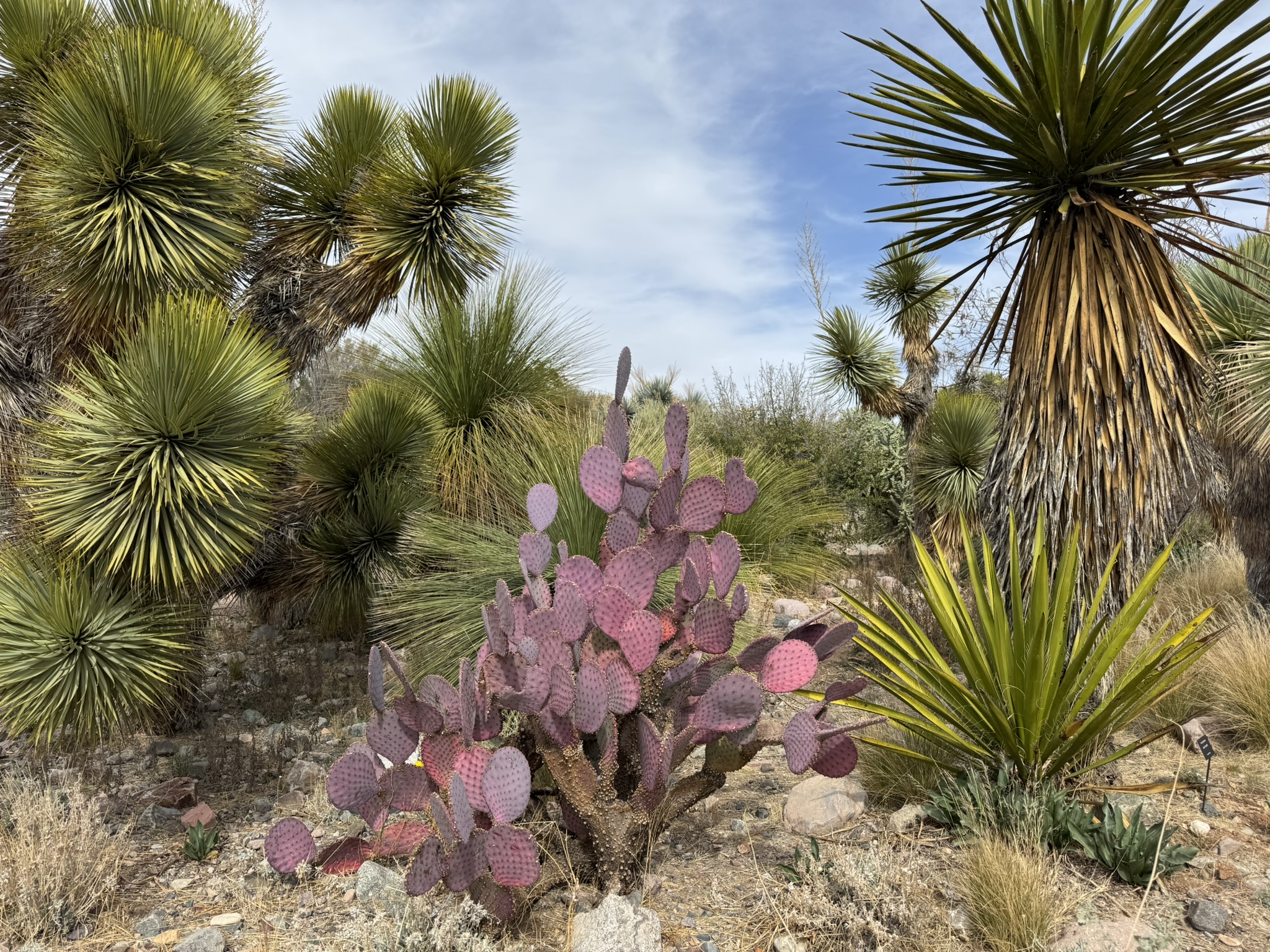
The arboretum is the home of desert plant collections from around the world, arranged in clearly defined sections of the park, from the United States, Mexico, Australia, Madagascar, India, China, Japan, Israel, South America, the Middle East, Africa, the Mediterranean, and the Arabian Peninsula. The park contains over 20,000 plants with winding paths leading visitors through trees, shrubs, grasses, cacti, and a cornucopia of flowering species. The signage is just right – not obtrusive but offering plenty of detailed information. The park also includes some beautiful artwork, arbors, shade structures, water features, and benches. There is a lovely gift shop and nice restrooms at the entrance.
Boyce Thompson Arboretum, Arizona

We strolled around the paths and through the various sections of the park, marveling at the incredible diversity of specimens, from tall trees to the tiniest thorny cacti. Most of the plants obviously belong in a desert climate, but some of the trees look like they would be right at home in a city park anywhere in the world. Color abounds, texture is all over the place, and the shades of green seem almost limitless. Everything looked so lush, so alive when we were there. We did notice signs of a drip irrigation system in several areas, which may mean that some of the species require more water than is available in the Sonoran Desert environment. There are even a few endangered species in the park, and plant conservation is a big part of the organization’s mission.
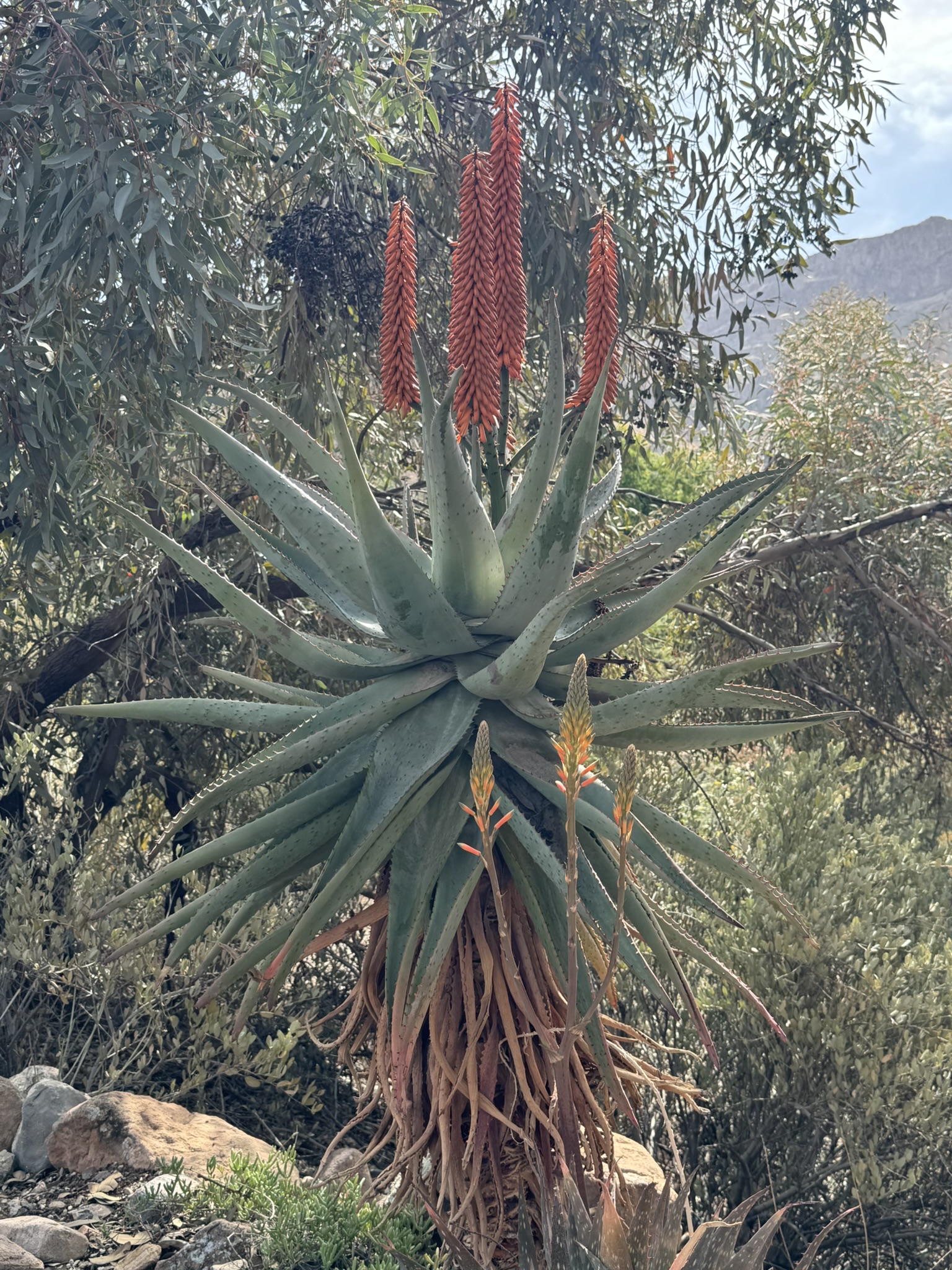
Boyce Thompson Arboretum, Arizona

The drive over to Superior from Phoenix is a pleasant one, with magnificent views of the desert landscape and Superstition Mountains to the north. The park is open most days of the year, with hours of operation changing according to the seasons. They have a great website at https://btarboretum.org/ from which most of the information in this post is gleaned. Arizona is a hiker and cyclist paradise, with thousands of miles of trails throughout the state. Outdoor recreation opportunities are almost endless. I would include the Boyce Thompson Arboretum in the long list of places where visitors can enjoy the beauty of nature in a confined space, where the physical challenge isn’t so great, but the rewards are substantial.
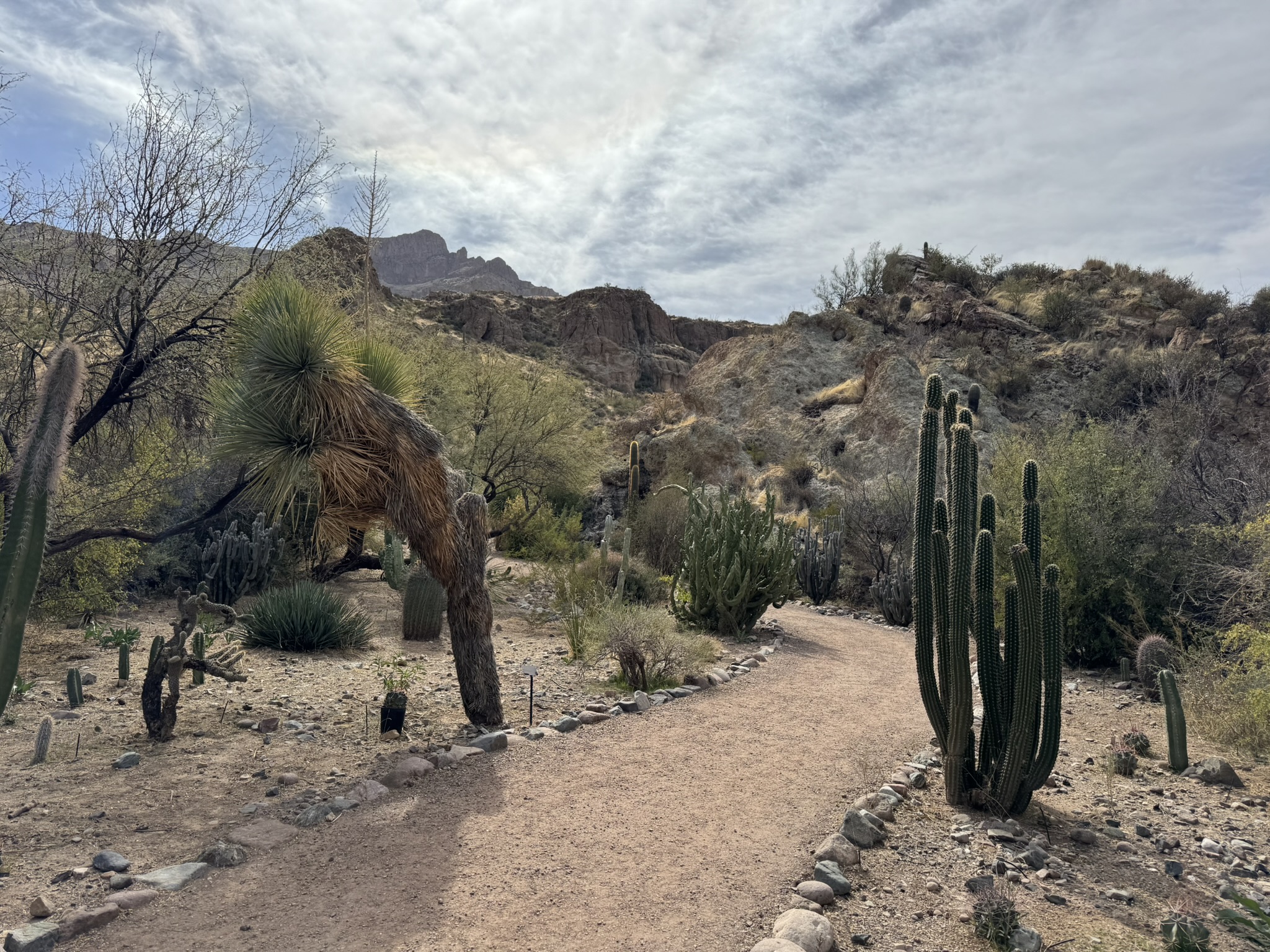
Boyce Thompson Arboretum, Arizona

Missouri Botanical Garden

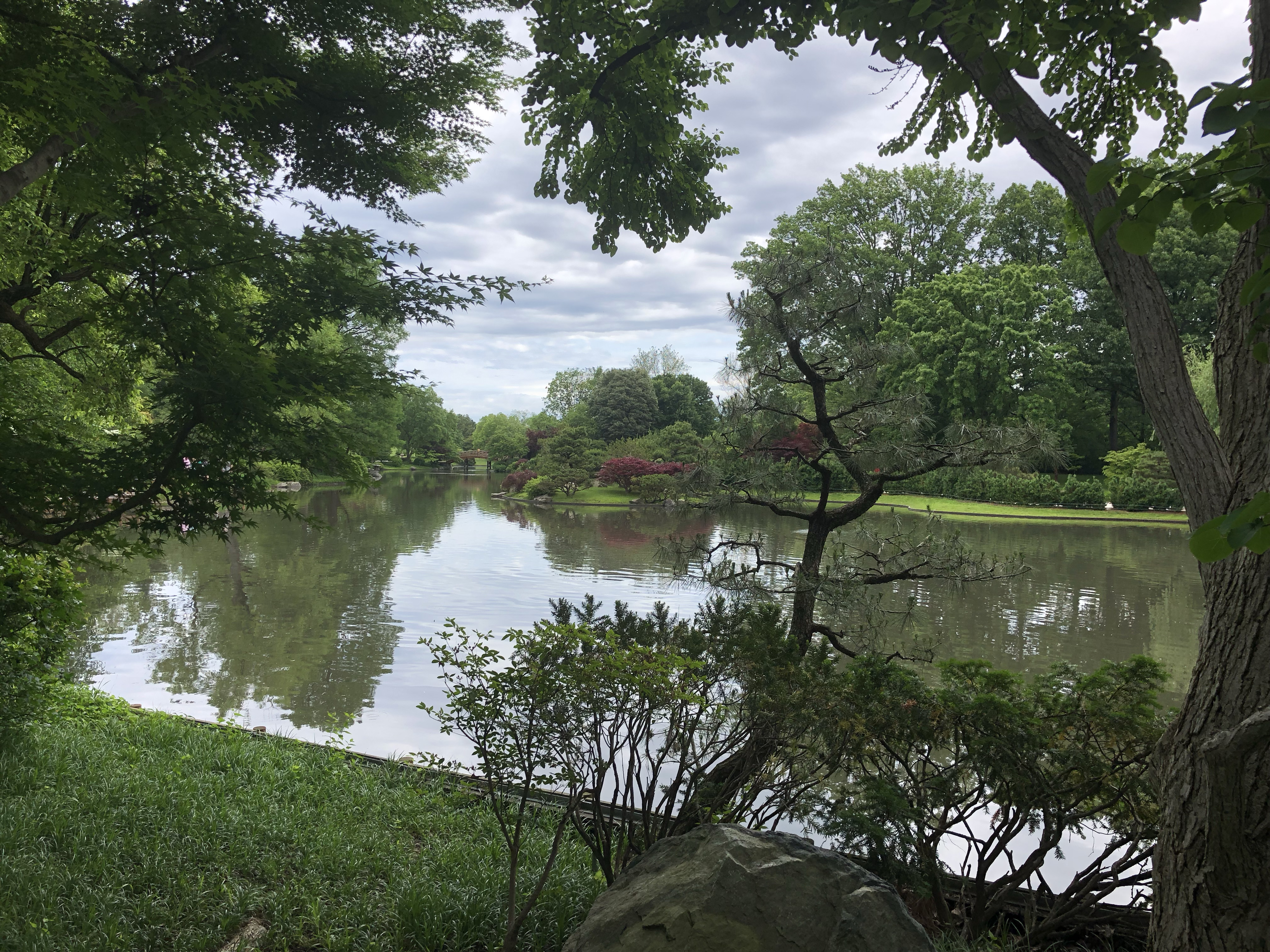
I am a big fan of public gardens and visit them as often as possible, especially when traveling to new places. With the move to Missouri in 2018, my wife and I have taken opportunities as often as possible to explore some of the wonderful resources the state has to offer. One of the most remarkable places I have seen so far is the Missouri Botanical Garden just outside St. Louis. Founded in 1859, the 79-acre facility is the nation’s oldest botanical garden in continuous operation and is now a National Historic Landmark.

Missouri Botanical Garden

According to the Garden’s website, “more than 4,800 trees live on the grounds, including some unusual varieties and a few stately specimens dating back to the 19th century, when founder Henry Shaw planted them.” The Garden also features the nation’s most comprehensive resource center for gardening information, including 23 residential-scale demonstration gardens. There are various themed gardens throughout the site: Chinese, English, Woodland, Ottoman, and Victorian. There is a 14-acre Japanese strolling garden, one of the largest in the country.

Missouri Botanical Garden

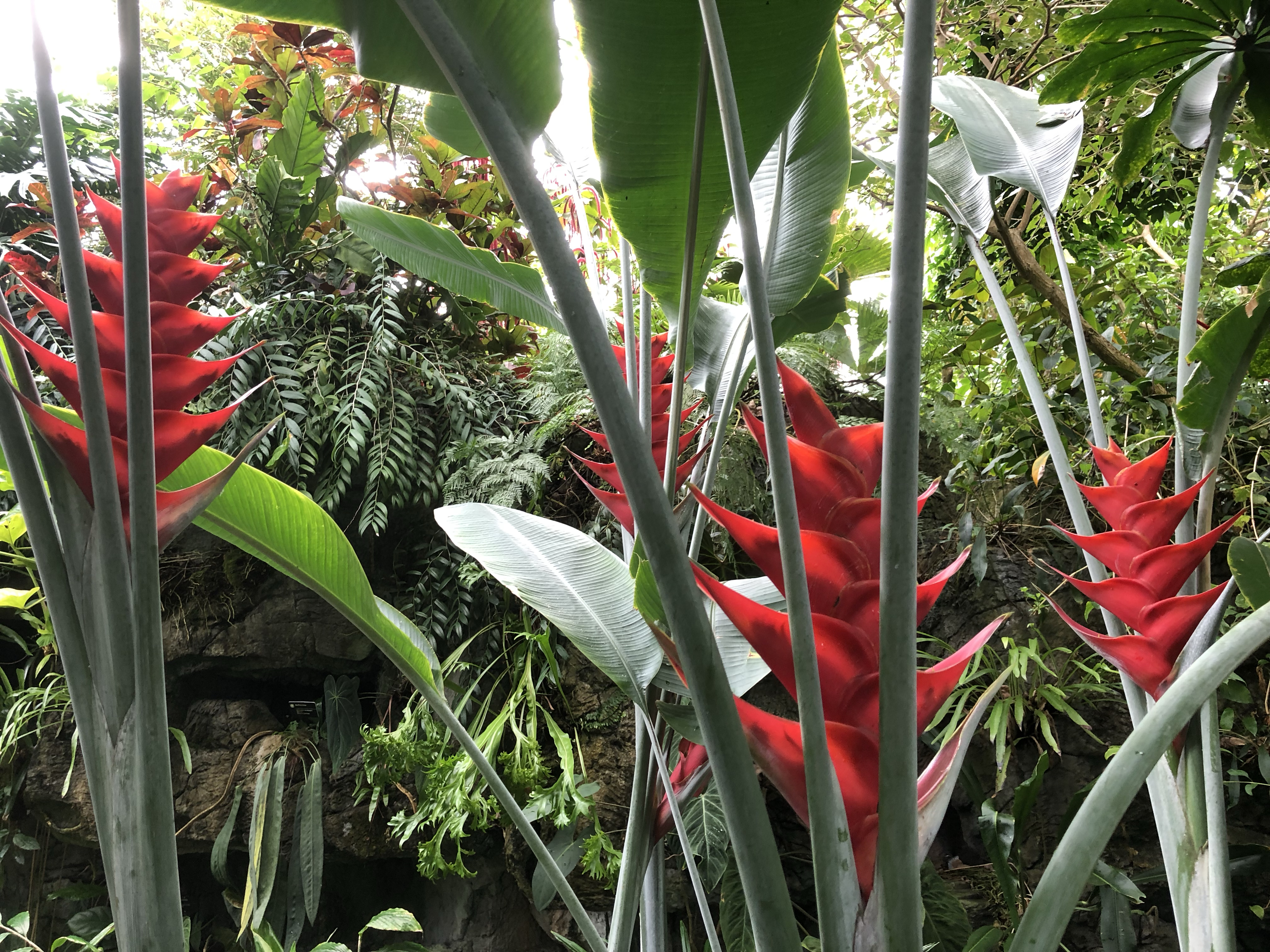
A notable feature of the Garden is the conservatory with a lush, vibrant tropical rainforest complete with waterfalls, tanks of fish, and a walkway winding through incredible exotic plants. I will most likely never visit South America or any other part of the world where I would see a tropical rainforest, so I am always grateful for the privilege of even seeing one in miniature. The one at the Missouri Botanical Garden is the best I have seen so far.

Missouri Botanical Garden

There are so many elements of the Garden that make it a destination. The trails are carefully constructed to take advantage of the landscape and lead visitors to one breathtaking vista after another. The plants are grouped and positioned throughout the property to appear as if they evolved there naturally. There are tree-covered byways with every shade of green imaginable; sunny sections with an explosion of color during the blooming season, including a rose garden; and terraces with mixes of perennials and annuals. There are natural lakes, running streams, and constructed water features.  I was also fascinated with how well the flora is enhanced by statuary, glasswork, and structures.

St. Louis has so many attractions: Gateway Arch, Busch Stadium, a first-class art museum, and a zoo for starters. The Missouri Botanical Garden is every bit as impressive as any of these places. It is undoubtedly a point of pride for the city and for the whole state. I look forward to returning every season of the year to see what surprises the Garden has in store.

Missouri Botanical Garden

The Desert Garden

The title of this entry may at first seem like a mistake.  “Perhaps he really meant ‘The Dessert Garden,’ which conjures up images of fruit trees.”  Most people don’t associate gardens with deserts.  By definition, deserts are empty places.  They are barren, usually having sandy or rocky soil and little or no vegetation.  When we say a place is deserted, we mean it is empty or uninhabited.  By contrast, we often think of gardens as lush, green spaces teeming with life.  Until I married someone who had lived for almost two decades in the Southwest, I didn’t think I would like spending much time in that region of the country.  I don’t mind hot weather that much, especially if the humidity is low.  But green is my favorite color, and I love gardening.  Nothing grows in a desert, right?

Ridiculous.  The desert is full of life, and the diversity of plant species is staggering. There are about 2,000 different kinds of cacti alone.  The six cactus genera with the largest number of plants, and hence most likely to be encountered, are cereus, cylindropuntia, echinocereus, ferocactus, mammillaria and opuntia. In addition to cacti, there are grasses, shrubs, trees, and wildflowers.  One of the best places to get a clear picture of the desert’s splendor is the Desert Botanical Garden in Phoenix, Arizona.  With more than 4,000 species and approximately 27,650 individual plants, the Desert Botanical Garden is home to one of the world’s most spectacular living collections of the world’s desert plants.

Desert Botanical Garden
Desert Botanical Garden, Phoenix, Arizona

We spent some time several years ago during a visit to Phoenix to wander through the Garden.  Perhaps the most striking feature is the endless forms and shapes that the plants in the desert take.  They have evolved over millions of years to take full advantage of the limited resources available, and water conservation dictates so much of the characteristics of desert flora.  Flowers tend to be less numerous but so much more striking in color, shape, and size than those found in other environments.  The Garden offers permanent trailside exhibits, temporary art exhibitions, and seasonal activities too.

Desert Botanical Garden
Desert Botanical Garden, Phoenix, Arizona

Sometimes it’s difficult to look beyond the familiar and seek the undiscovered, and I certainly found that to be true about the desert.  There’s green everywhere!  I have visited the Southwest several times now, and I am always ready to return.  It is wild, rugged, and even harsh, but it possesses a charm that can be found nowhere else in the country.  The Desert Botanical Garden is not to be missed.

Desert Botanical Garden
Desert Botanical Garden, Phoenix, Arizona