Key West: A Little Slice of Paradise

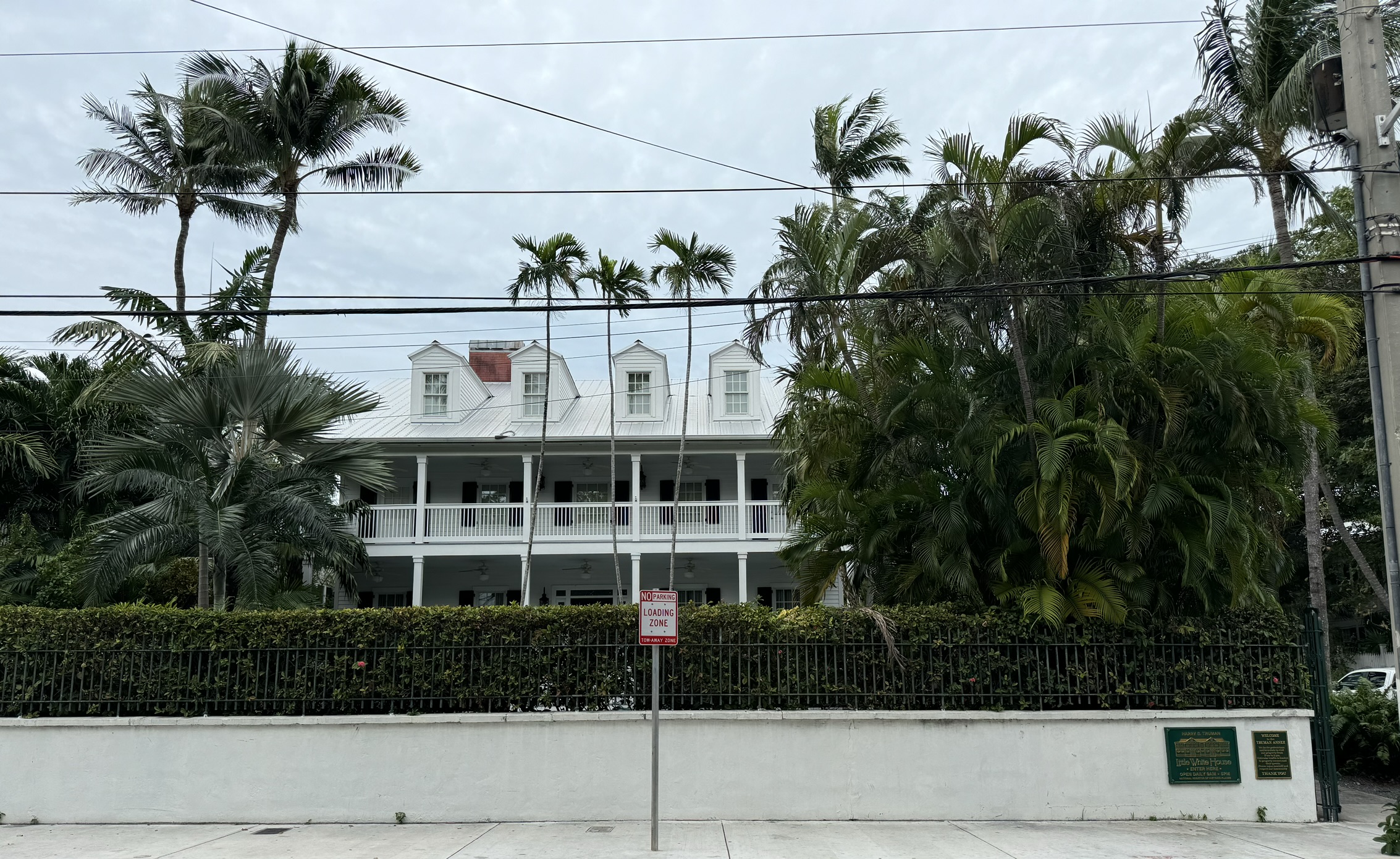
During the week before Thanksgiving in 2024, my wife and I took a four-night vacation to Key West, Florida. Neither of us had ever visited the island, which holds an oversized place in the American cultural imagination. Key West has attracted a wide range of celebrities over the years like Ernest Hemingway, Jimmy Buffett, Tennessee Williams, John James Audubon, several U.S. Presidents, and countless movie stars and musicians. Harry S. Truman was so charmed by the place that he had a Little White House there, where he spent 175 days over eleven visits during his administration.
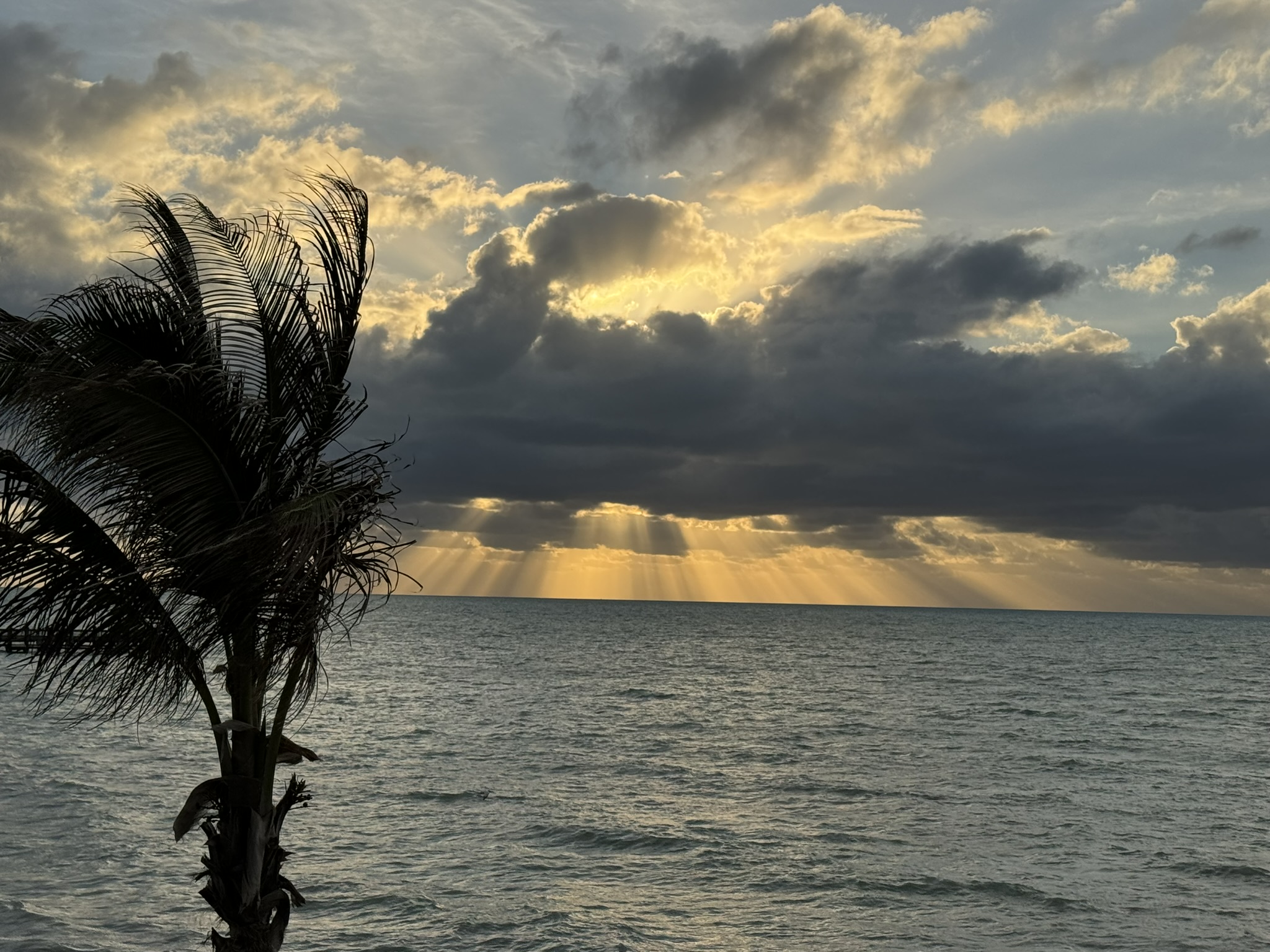
Key West sunrise from Southernmost Resort
Key West - Harry S. Truman Little White House
Key West – Harry S. Truman Little White House

Most people believe that Key West is as far as you can go south and still be in the country, but the true southernmost point of the continental U.S. is Ballast Key located south and west of Key West. Nevertheless, Key West has adopted the “southernmost” tourism brand for itself, complete with a photo-op concrete buoy and numerous locations using the moniker. The southern tip of the island is a mere 81 nautical miles from the north coast of Cuba. We stayed at a lovely property called Southernmost Beach Resort with a balcony room on the third floor overlooking the ocean. The water was rough for our first two days, and it was wonderful listening to the waves crashing against the massive concrete sea wall just below our room.
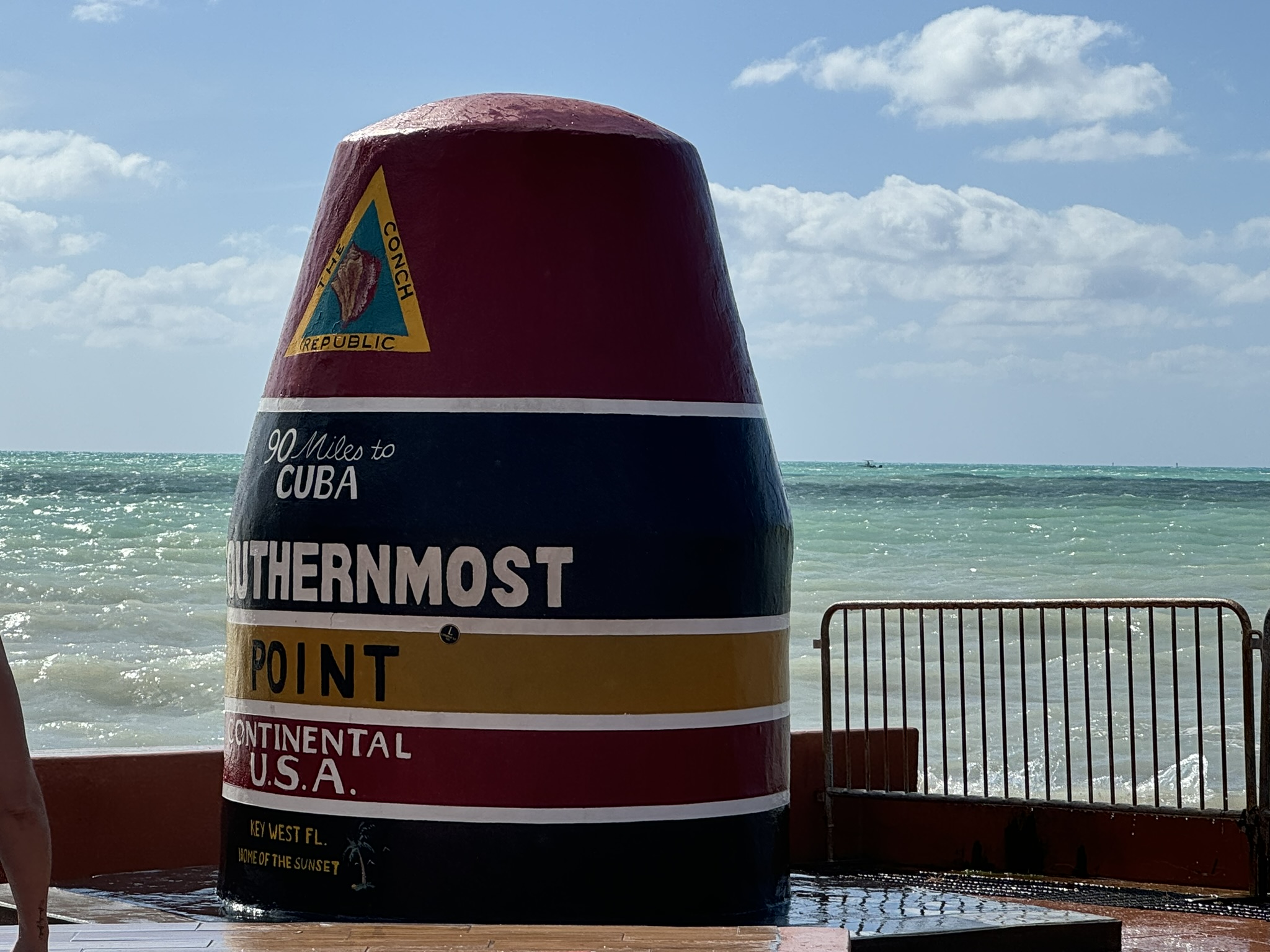
Key West - Southernmost Point Buoy
Key West – Southernmost Point Buoy

Running four miles long and about two miles wide, Key West is a very walkable island. We walked the entire width, north on historic Duval Street, which carried us from our resort up to the marinas and cruise ship docks. We wandered around the tourist attractions in that area, including the shops at Mallory Square. We also spent some time strolling through the Old Town historic district, which is filled with beautifully restored 19th century homes, some of which are now bed and breakfast accommodations, although many are still private residences. The following is a list of highlights from our trip to this tropical paradise, which truly exceeded our expectations.

Duval Street: Named for the first territorial governor of Florida, William Pope Duval, this is Key West’s main drag and is filled with shops, restaurants, bars, and vintage hotels that are reminiscent of what I think of as “Old Florida” that flourished during the golden age of tourism in the 1950s and 60s. We walked up and down Duval numerous times for shopping, dining, and drinking (as the locals say, “It’s Key West”).

Hemingway Home and Museum: The author of classics such as The Old Man and the Sea and For Whom the Bell Tolls lived with his wife, Pauline Pfeiffer, in this two-story residence during the 1930s. After eight years of residing at the house, Hemingway moved to Cuba in 1939 and divorced Pauline the following year. Pauline lived in the house until her death in 1951. The only full-time residents now are the famous six-toed cats that lounge around the property, in and outside the house.

Key West - Hemingway House Front Entrance
Key West – Hemingway House Front Entrance

Mansion on the Sea:  Built in 1897, the iconic Mansion on the Sea, was originally home to Judge Vining Harris and his wife Florida Curry, the youngest daughter of the state’s first millionaire, William Curry. Wanting only the best for his youngest daughter, Curry commissioned Thomas Edison to install the electricity in the one-bedroom home. Over the years, the Mansion evolved and took on many different purposes. During Prohibition (1919-1933) the Mansion served as a destination for many notorious gangsters and other famous travelers. Five U.S. Presidents, including, Harry S. Truman, Dwight D. Eisenhower, John F. Kennedy, Richard M. Nixon, and James E. Carter, Jr. were guests here. The Mansion is now a boutique inn. We had drinks and coconut shrimp at the outside bar the Mansion our first night on the island.
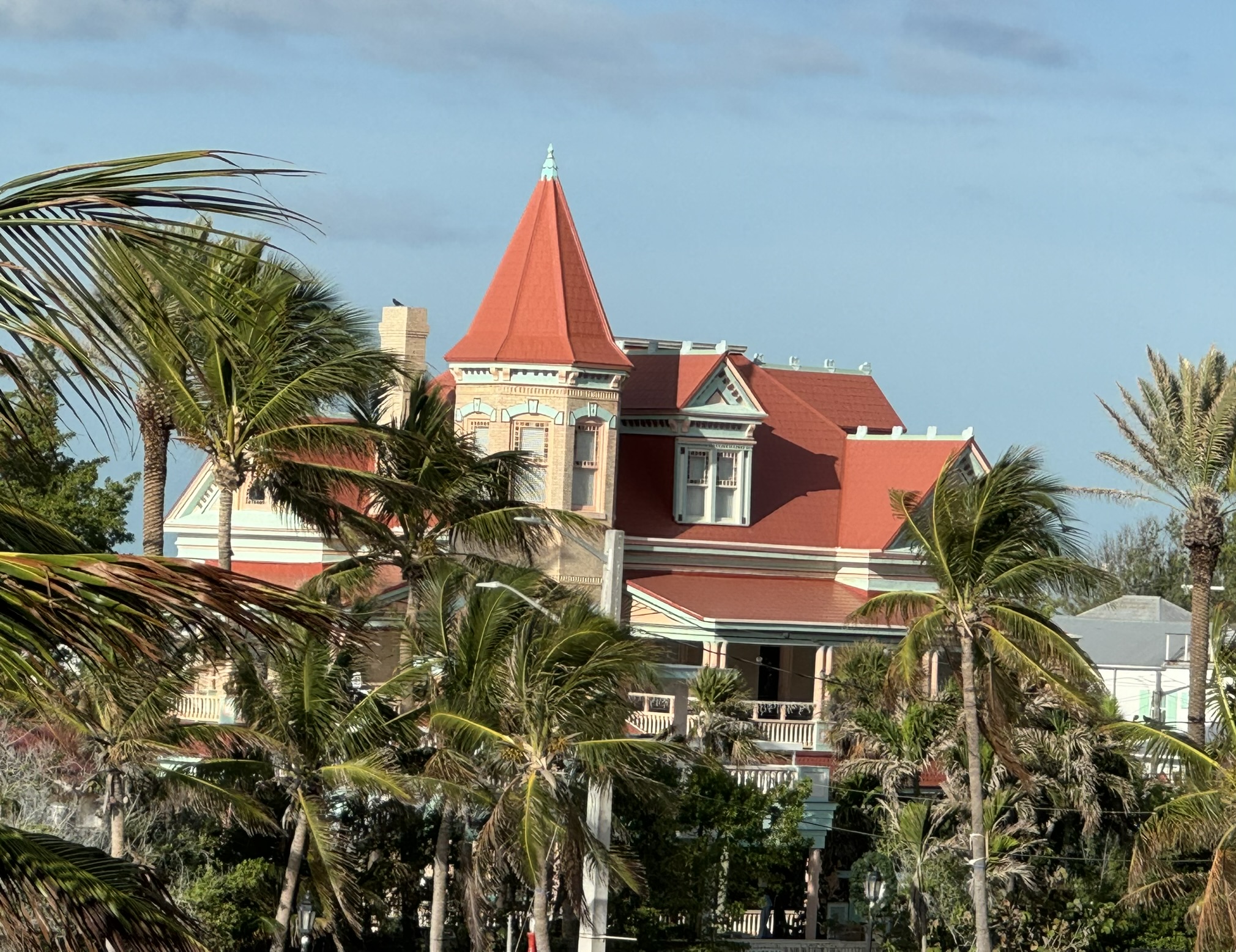
Key West - Mansion on the Sea - Southernmost House
Key West – Mansion on the Sea – Southernmost House

St. Paul’s Episcopal Church: This the fourth building on this site and houses the oldest church in the Florida Diocese. Established in 1832, this oldest U.S. congregation south of St. Augustine has been served by dozens of priests throughout almost two centuries. The church building and grounds at the corner of Duval and Eaton Streets are open daily for prayer, meditation, and visitation.
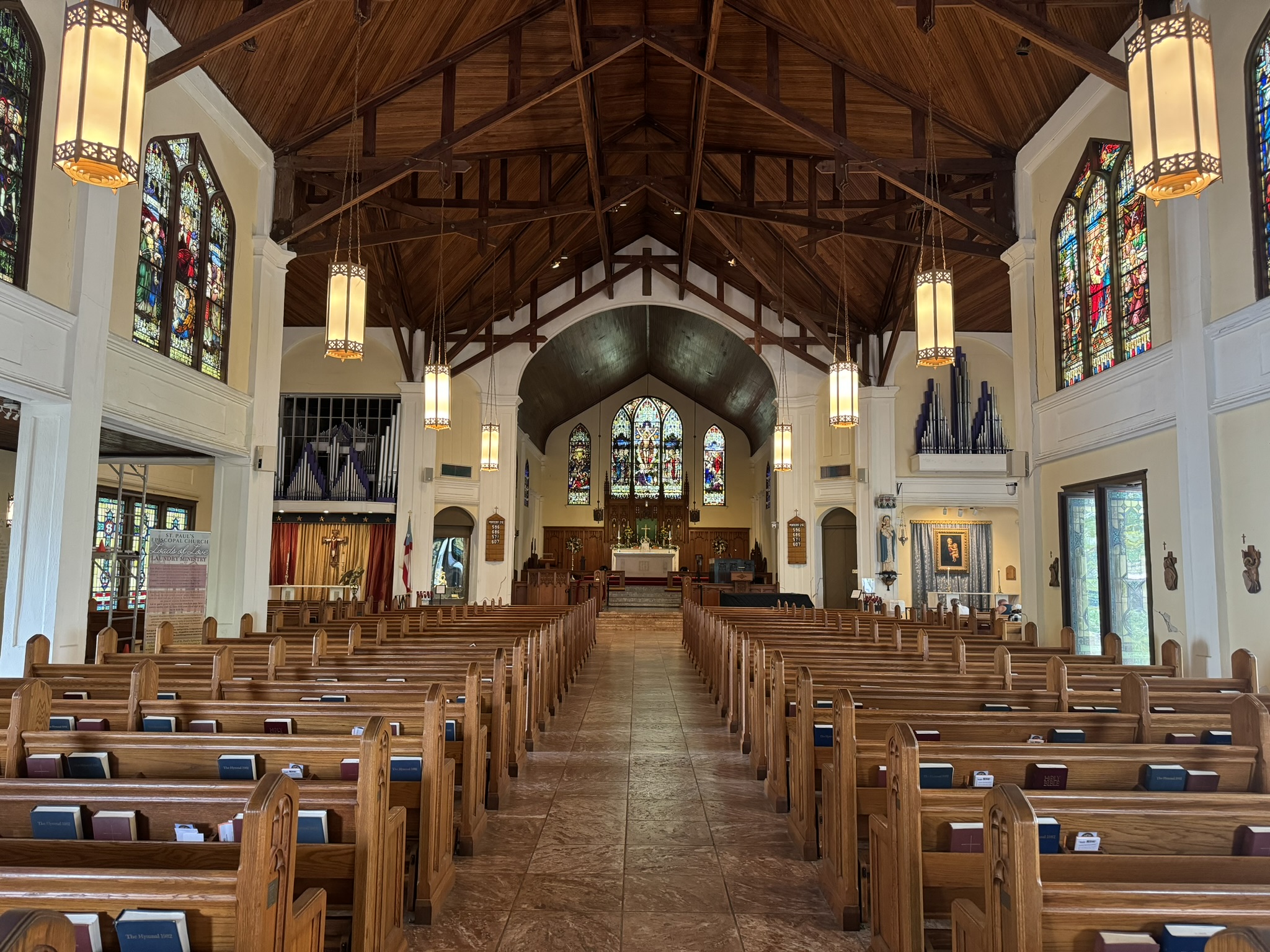
Key West - Saint Paul's Episcopal Church
Key West – Saint Paul’s Episcopal Church

Reconsidering the Gulf Coast

On several occasions I have written about my strong attraction to the coast, how it grounds me and is so good for my soul. My first love in this regard was the Atlantic along the coasts of Florida, Georgia, and the Carolinas, simply because I was raised in the Southeast. Places such as Myrtle Beach, Isle of Palms, Hilton Head, Tybee Island, St. Simons, Jekyll, Sapelo Island, Amelia Island, St. Augustine, Ormond, and Daytona are all popular vacation destinations. I have fond memories from summer and early fall trips to all these locations, from within the last few years and going all the way back to my childhood.

In the last decade or so I have had several opportunities to visit the west coast in San Diego, Huntington Beach, Los Angeles, Laguna Beach, Carmel-by-the-Sea, San Francisco, and multiple locations in northern Oregon. It’s a completely different experience from the Atlantic, but no less enjoyable and with some spectacular landscape features you don’t see in Florida or Georgia.

Growing up, my family sometimes went to beaches along the Gulf Coast, and I even went there with friends in college, places such as Panama City Beach and Clearwater. However, I never found the Gulf Coast beaches as attractive as the Atlantic ones. The waves were usually much smaller, and the beaches were not as wide, both of which were important because I typically spent my days as a child and a young man either body surfing in the breakers or baking my skin on the sand. The atmosphere was probably thicker and provided more protection back in the day, and my skin was much more resilient to the sun’s rays. I tanned well and rarely burned much. Those days are over, even for this generation’s youngsters.

Living in the great state of Missouri now, a quick trip to the Gulf is much more manageable, even when flying. We have short direct flights that get us close to multiple Gulf beaches. We tried out Galveston in Texas a few years back, and I was pleasantly surprised how great it was experiencing the beach from the deck chairs at the house we rented with family and friends. Come to think of it, when we took a pre-Christmas holiday trip to Jamaica in 2015, we spent very little time out on the beach but certainly feasted on the views from the expansive balcony of our hotel room.

One place I had never seen was the stretch of the Gulf known as the Emerald Coast that lies west of Panama City and covers about 100 miles of seashore featuring destinations such as Navarre Beach, Fort Walton Beach, Destin, and Miramar Beach. My wife and I were in Destin for a memorial service in February of 2023, and while we were there, we took a few walks out on the beaches. The contrast of the brilliant white sand against the blue-green water makes for a breathtaking vista that goes on forever. It is magnificent.

Miramar Beach, FL
Miramar Beach, FL

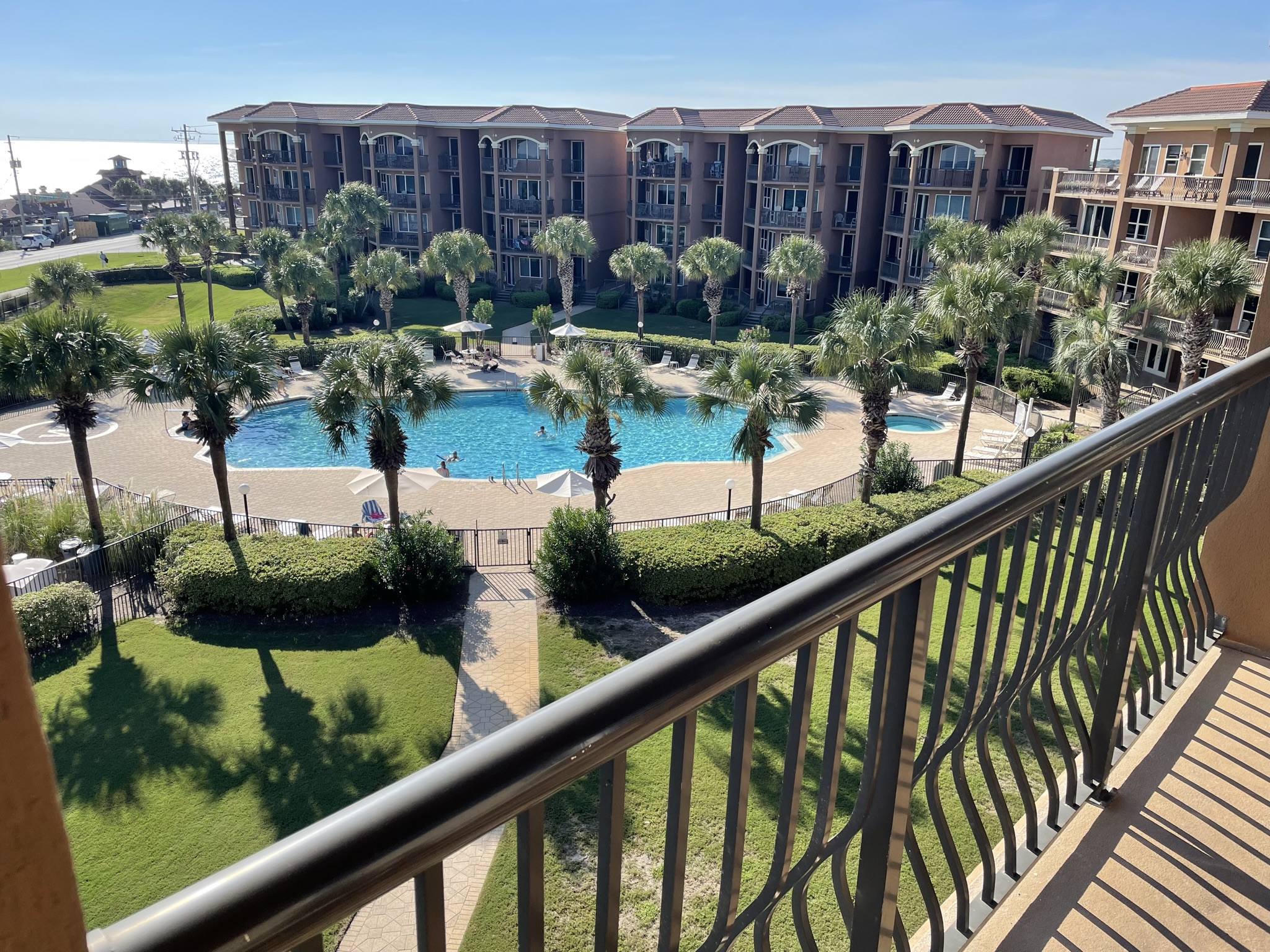
When I planned a solo trip for September this year, I decided to give the Emerald Coast a try. My wife, who also graciously serves as our ever-resourceful travel planner, was kind enough to book my flight, rent a car for me, and reserve a fourth-floor condo unit at a lovely complex just across the road from the beach called the Mediterranea. It was conveniently located to restaurants, bars, coffee shops, and retailers, many within walking distance. It was a perfect getaway. I was able to take long strolls on the white sand and on paved walkways just across the street. Although I didn’t take advantage of it, the pool was beautiful and added to the overall aesthetic. The view from the balcony was easy on my eyes whenever I looked up from the book I spent so much time reading while smelling the salty air and feeling the constant breeze on my skin.

Mediterranea at Miramar Beach, FL

It’s a good idea to break away from traditions and time-worn habits to explore other possibilities, especially when traveling. We have discovered all kinds of unexpected adventures and curiosities by going in new directions. I am certain we will return to the Emerald Coast, but there are so many other beaches to see, trails to walk, and sights to behold. As we approach the “work optional” stage of our lives, we plan to spend a whole lot more time doing just that.

Mediterranea at Miramar Beach, FL

A Different Kind of Coast

Having lived most of my life in Georgia, many of the vacation days I spent outside the state were on the Atlantic Florida coast, with a few excursions to the Gulf Coast in Florida and Texas thrown in the mix. I have friends from my hometown who speak rhapsodically of the azure and green color variations of the water and the bleached white sand of the Eastern Gulf. They save up all year for a week at the beaches of Panama City, Pensacola, Gulf Shores, or Clearwater. With all due respect to their idea of paradise, the Gulf just doesn’t compare to the Atlantic side of Florida for me, mainly because of nostalgia and my personal sense of aesthetics.

My experience of the Atlantic coast in Florida is limited to the northern quarter of the state: Amelia Island, St. Augustine, Ormand-by-the-Sea, and New Smyrna. However, I have spent more time at Daytona Beach and Daytona Beach Shores than all those other locations combined. I still have old black and white photographs of me as a toddler playing in the sand at Daytona back when my family would make the pilgrimage almost every June in the 1960s and 70s. The waves are generally higher and the beaches much wider than at any other location I have visited in Florida. The sights and sounds of the crashing surf there touch me at a very deep level, which I wrote about in an earlier post.

I have visited beaches in other places, such as the coastal islands of Georgia and South Carolina, Huntington Beach in California, and Brighton Beach on the southern coast of England. My wife and I have spent a bit of time together along the rocky cliffs around San Francisco, Monterey, and Carmel-by-the-Sea. I must admit that the west coast has a powerful attraction of its own, and my appreciation for it expanded considerably in the summer of 2021 when we spent a week in Oregon, which included several days at Netarts, a small village on the shore of the Netarts Bay on the northern coast of the state near the town of Tillamook. We rented a small house boasting a spectacular view of the bay and the Pacific Ocean beyond it.

Netarts Bay, Oregon (right) and the Pacific Ocean

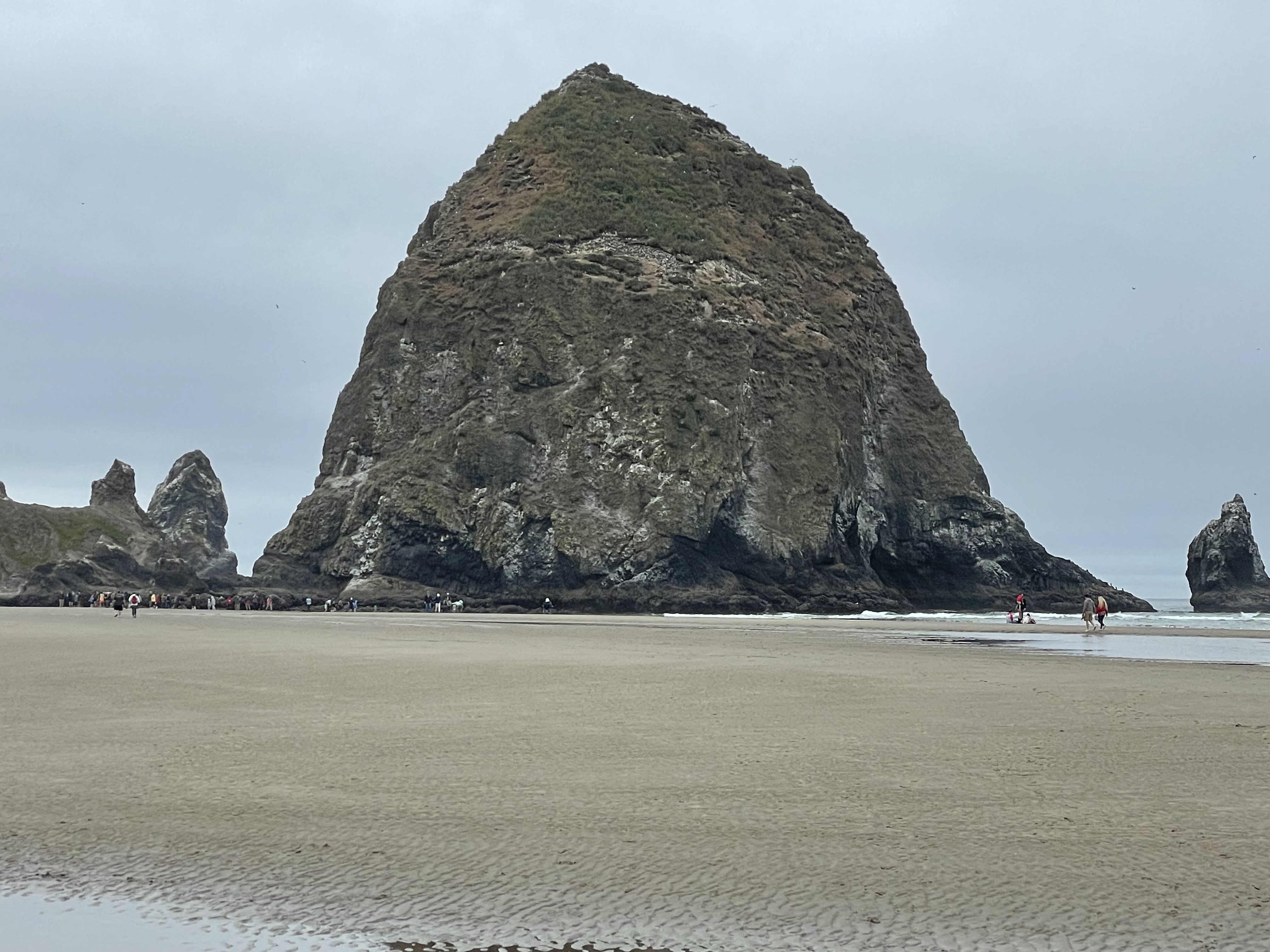
There are a several features of the Oregon coast that distinguish it from the beaches of Florida. Most of the northern Oregon coast is bordered closely by a rainforest, with thick stands of conifers and hardwoods lining the winding roads that offer access to the collection of seaside resort towns. The landscape of the north Florida coast is mostly characterized by palm trees, palmetto, and sea oats. The northern Oregon shoreline is guarded by the Coast Range, a series of cliffs and ridges that rises dramatically from the Pacific to average heights of 2,000 feet and peaks ascending over 3,700 feet. By comparison, most of Florida is incredibly flat, especially along the Atlantic coastline. For that matter, the highest elevation in the state is Britton Hill in the Northern Florida Highlands, which logs in at a whopping 345 feet above sea level and is almost 50 miles from the Gulf. Lastly, the north Oregon shore contains a mix of light-colored sand, black pebbles, sedimentary rock, and intertidal sea-stack formations of volcanic basalt ranging from modest to enormous size that bulge up from the sand and water. Most of the north Atlantic Florida coastline is buffered by a narrow strip of low sand dunes that quickly levels out to the sandy beaches, with few rocks or outcroppings at all. The fine sand is composed of ground quartz, with a bit of iron oxide mixed in, which gives some areas a light to even dark brown tint.

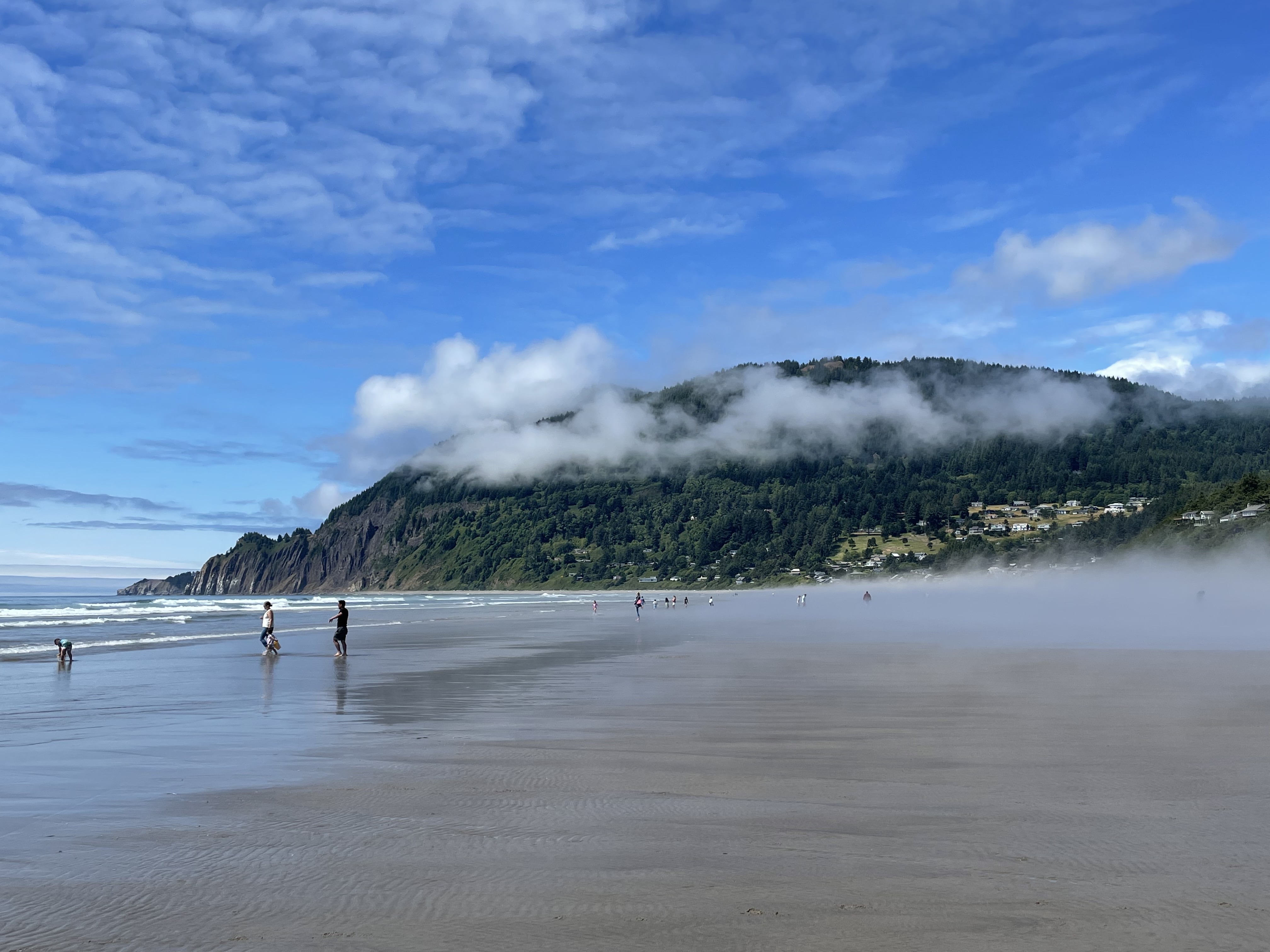
Manzanita Beach, Oregon
Haystack Rock at Cannon Beach, Oregon

We took the opportunity while we there to make day trips up the coast to visit some of the beaches between Netarts and the Columbia River. Among the features the two coasts share is the look and feel of the towns that thrive on tourist dollars in both locations. Although the resort towns in Florida tend to be larger and flashier, there are still some villages along the northern shore that remind older generations of the way things used to be when they were young, what many folks refer to as “Old Florida.” The quaint seaside village at Fernandina Beach is a fine example. Most of the beach towns in northern Oregon look more like Fernandina than Daytona, such as Oceanside, Rockaway, Manzanita, Cannon, and Seaside. They all seem to be family friendly and pleasant places to visit or even live full-time.

Seaside Beach, Oregon

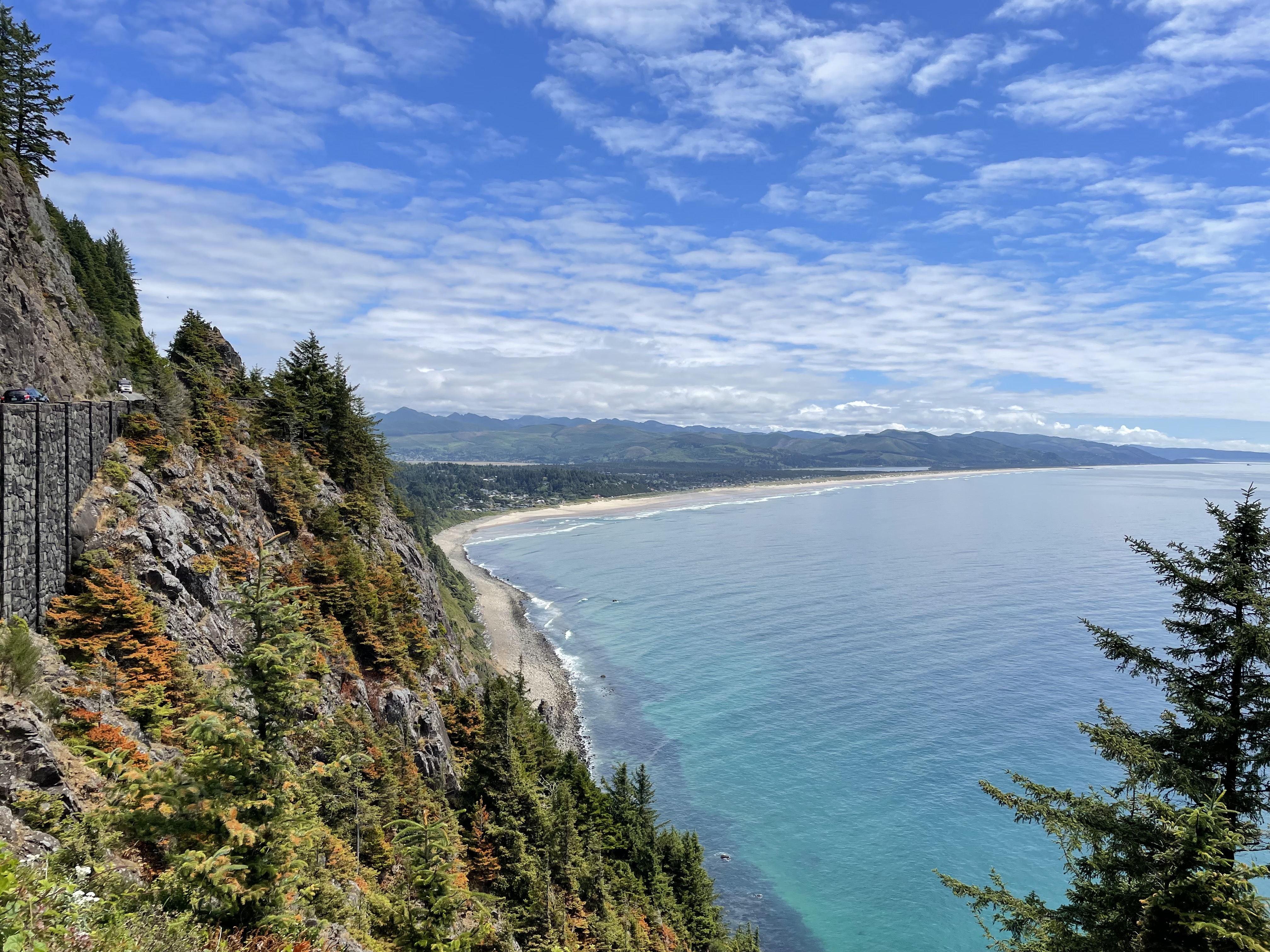
In the final analysis, the landscape of the north Oregon coast is far more dramatic than that of the north Florida coast. For those who love the mountains and the beach, Oregon features both in the same place – a twofer! The natural resources seem more diverse too, especially the flora. The cliffs offer better and more expansive views of the coastline and the ocean. There is much less development between the beaches, giving the appearance of a more pristine environment. I will always love visiting the Atlantic beaches of Florida, but I can definitely feel a strong affection growing in me for this different kind of coast.

View of Manzanita Beach from Neahkahnie Mountain in Oregon

Lillian Smith: One Writer’s Brave Journey

Lillian Smith was a highly-acclaimed writer, successful business woman, a creative educator, an early civil rights advocate, and one of the most effective champions of social justice in the 20th century. She is probably best known for her controversial psychological memoir, Killers of the Dream, a 1949 publication that is still in print and occasionally excerpted in anthologies of women’s studies, southern literature, and civil rights history. Her best-selling first novel, Strange Fruit, was published in 1944 and told the story of an inter-racial love affair in a rural Georgia town shortly after World War I. Although she lived most of her life in Georgia, Smith was born in 1897 about 90 miles east of Tallahassee in the small town of Jasper, in Hamilton County, Florida.   She was the seventh of the nine children of Calvin Warren Smith and Anne Simpson Smith. The town of Jasper was founded in the 1830s, but it really didn’t begin to grow until shortly before Lillian was born with a rich trade in turpentine, tobacco, cotton, and pine lumber. Calvin Smith was one of the entrepreneurs in the area who capitalized on that trade with his business ventures in lumber and naval stores.

Lillian Smith (left) and Marjorie White

Lillian Smith spent all her childhood and the better part of her teenage years in this town. On many occasions throughout her life, she introduced herself with a story from her childhood years in Jasper, a story she later titled “Trembling Earth.” She said the land in North Florida is strange. She described it as “a thin little island that is hung on to the Okefenokee Swamp and hung on to the Georgia Islands and hung on to Alabama.” It felt like the ground was floating. Much later, as a seasoned writer, Lillian Smith used this image to describe the human experience: “I wonder if the whole, everything that happens to a human being is just like trembling earth? Is it all floating on something that we’ll never know, something unknown and mysterious?”

There’s little doubt that her years in Jasper shaped Lillian’s worldview for the rest of her life. As she put it, “No one could read my books without finding these early signs of my childhood,” which included telling stories to her friends, like Marjorie White. For a story to become vividly real, it needs a listener, and Marjorie played that role very well. As Lillian put it, “Her heart was lonely for what my heart was lonely for.” Near the end of her life, Lillian confided in a friend that when her family moved from Jasper when she was 17, the whole town was all frozen for her – she could go back in her mind and see all of it, and in a sense, she never left it.

When his Florida businesses failed in 1915, Calvin Smith moved the family to the small town of Clayton, in northeast Georgia, where he had recently acquired property on Old Screamer Mountain in his wife’s name and where the Smiths soon opened a summer camp for girls. During the 1915-16 academic year, Lillian Smith attended a small college thirty miles south of Clayton in Demorest, Georgia, called Piedmont College. Many years later, Smith wrote about her short tenure at the institution and expressed her gratitude for the fine instructors she had, some of whom were trained at prestigious universities such as Harvard, Oberlin, Smith, and Cornell. Although she was offered a scholarship to continue at Piedmont for the next year, family obligations prevented her from returning.

In her early twenties, Smith studied music at Peabody Conservatory in Baltimore, and in her mid-twenties she served as the head of the music department in a Methodist mission school for girls in China. She witnessed terrible cruelty and repeated examples of discrimination and injustice. In her letters, essays, and articles, Lillian Smith would return over and over to these painful memories of China. With the demands of the growing summer camp operated by her family, Lillian Smith was obligated to leave China and return to Georgia in 1925 to help with the operation. She had different ideas from her father on how the camp should be structured, and with her parents’ blessing, she soon became the owner and director of the family-run business: Laurel Falls Camp for Girls. Moving far beyond the traditional hallmarks of summer camps, such as swimming, horseback riding, archery, arts, and crafts, Lillian Smith created a female community at Laurel Falls that challenged Southern conventions of gender, sexuality, religion, and race.

Through writing, drama, music, visual arts, and in-depth discussions, she instilled within her campers the importance of independent thinking, compassion, and confidence. Very few camp directors in the South were as bold as Lillian Smith in confronting the issues of segregation and racial inequality. Laurel Falls Camp continued through the late 1940s and developed quite a reputation. Lillian Smith did not manage the camp alone. A woman named Paula Snelling came to work for the Smith family for the summer of 1921 as an athletic director for the camp.  The two women formed a close friendship after Smith returned home and took over the camp, an intimate and loving relationship that developed and grew into a life-long partnership.

Lillian Smith (right) and Paula Snelling

Lillian Smith was diagnosed with breast cancer in the spring of 1953. Later that year, her third book, titled The Journey, was published. The book expresses the author’s hope for humanity and her belief in our infinite possibilities. The final paragraph of the book begins with this sentence that exemplifies this optimistic vision: “To believe in something not yet proved and to underwrite it with our lives: it is the only way we can leave the future open.” Smith would go on to publish several more books, fiction and nonfiction, and numerous articles and essays on social justice and racial equality, all of which were written from her home on Screamer Mountain. She died on September 28, 1966 and was buried there. Paula Snelling suffered a stroke in 1979 that left her partially paralyzed.  She died in 1985.

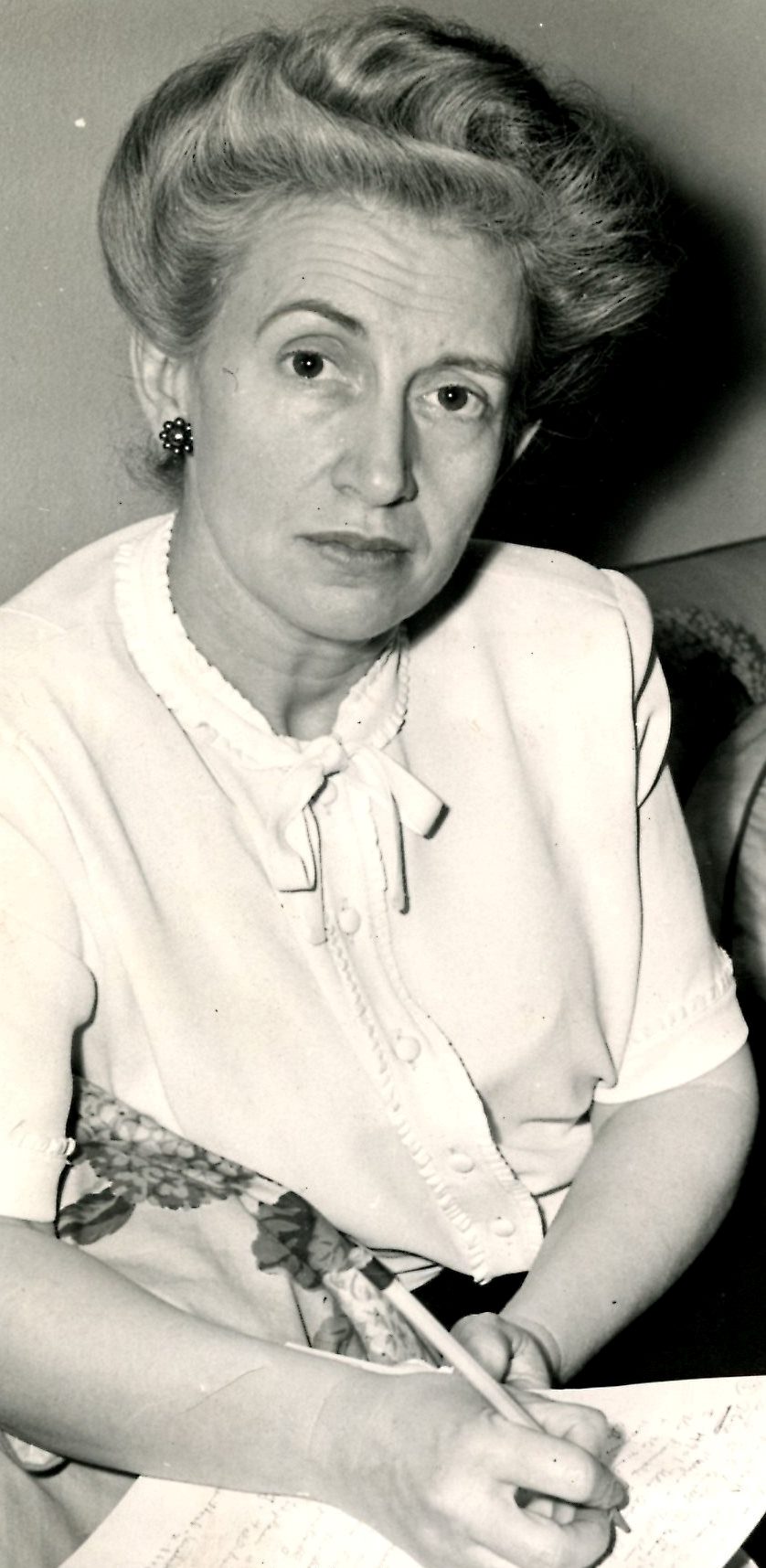
Lillian Smith
Lillian Smith

Lillian Smith boldly spoke out against the injustices of her day, even those occurring in other countries. The most obvious abuse and that which was closest to home for her as a southerner was racial discrimination. She combined her talents as a creative writer and her keen sense of observation to publish persuasive and powerful books and articles about the growing civil rights movement in the mid-twentieth century. So many of the words we read from her works are just as relevant today as they were sixty years ago.