Grand Falls and Shoal Creek in Joplin, Missouri

River greenway projects have been around for over 100 years, but towns and cities began to capitalize on these natural byways for tourism and community revitalization in the late 20th century. Projects usually include walkways and trails, interpretive signage, benches, picnic areas, river access for floating or boating, amphitheaters, and other amenities. Some of the largest and most popular of these outdoor facilities are the Hudson River Greenway in New York, Schuylkill River Trail in Philadelphia, the San Antonio River Walk, and Cherry Creek Greenway in Denver. But smaller communities with water resources have also invested in developing parks and recreational areas for conservation, community enhancement, and tourism.

Joplin is a town with a population of about 52,000 located in the southwest corner of Missouri just a few miles from the Kansas and Oklahoma borders. Although it has a rich history of lead and zinc mining, Joplin is likely best known these days for the devastating EF-5 tornado of 2011 that cut a mile-wide path of almost total destruction right through the heart of the town. Now, Joplin is a thriving retail and commercial hub for the area, but the community has also poured money and resources into creating outdoor spaces such as the area adjacent to Shoal Creek, which is southwest of town just north of Interstate 44.
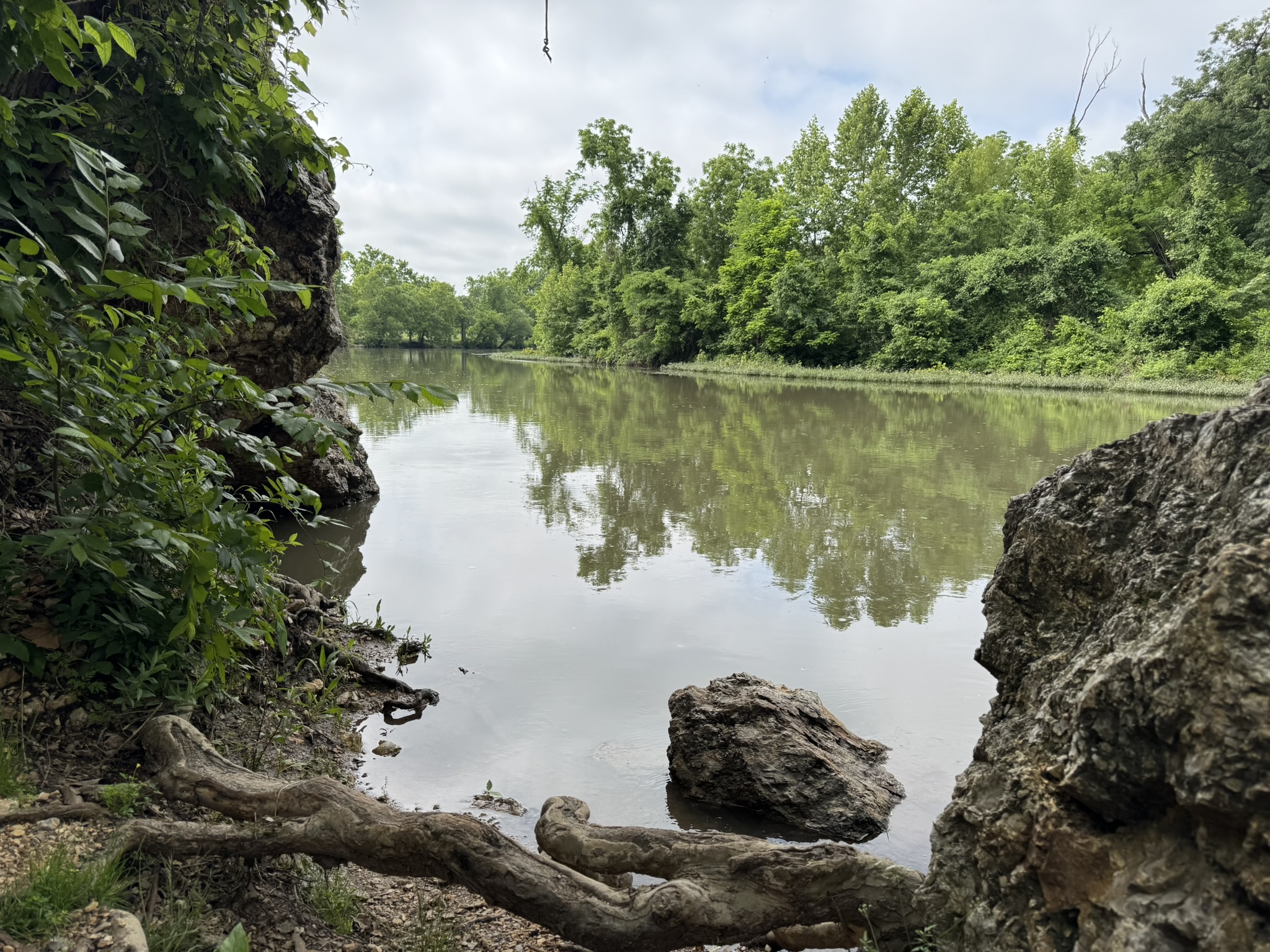
Shoal Creek, Joplin, Missouri

Shoal Creek looks more like a small river as it makes its way to a popular Joplin landmark called Grand Falls, which is the largest continuously flowing natural waterfall in the state. The fall plunges twelve feet down a 163-foot-wide ledge. Just above the falls on the north bank is McIndoe Park, which was purchased by the city in 1923 but in recent years has undergone considerable improvements to make it a destination for outdoor enthusiasts of all ages. Covering approximately 24 acres, McIndoe Park features a lovely paved walking trail that winds its way just a few yards from the banks of the creek. The park also has picnic facilities, pavilions, boat ramps, and plenty of fishing spots. There is ample parking in several spots close to the walking trail.
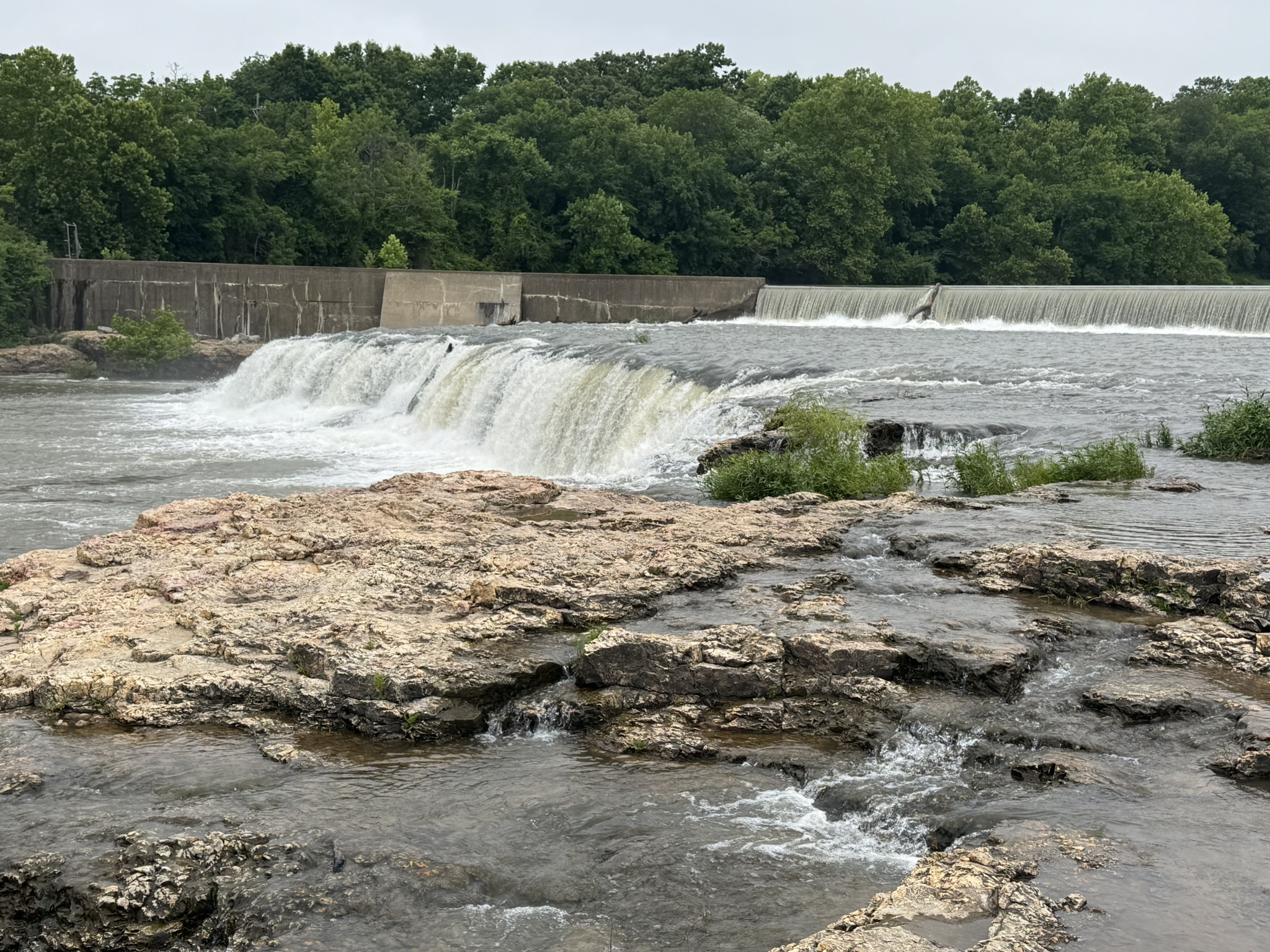
Grand Falls, Joplin, Missouri

When I visited, my first stop was Grand Falls where I spent about 30 minutes sitting on the yellow chert (or flint) rock ledges along the side of the creek just below the fall. I love the sound of crashing water, and this spot delivered in spades. I was there on a Wednesday shortly after Memorial Day (2026), and there were only a few people fishing and milling around. The area gets quite crowded on weekends and especially during the warmer months of summer.
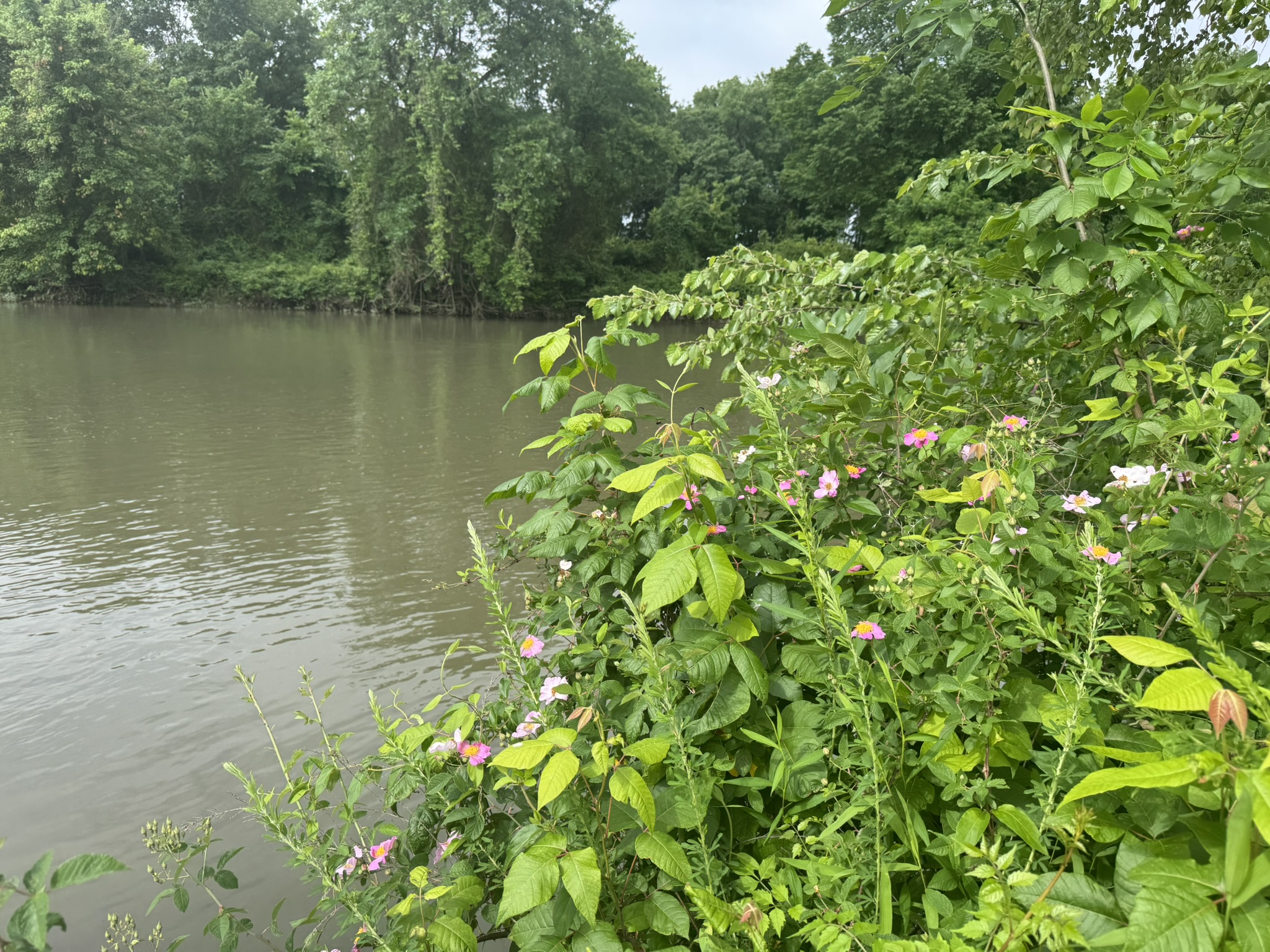
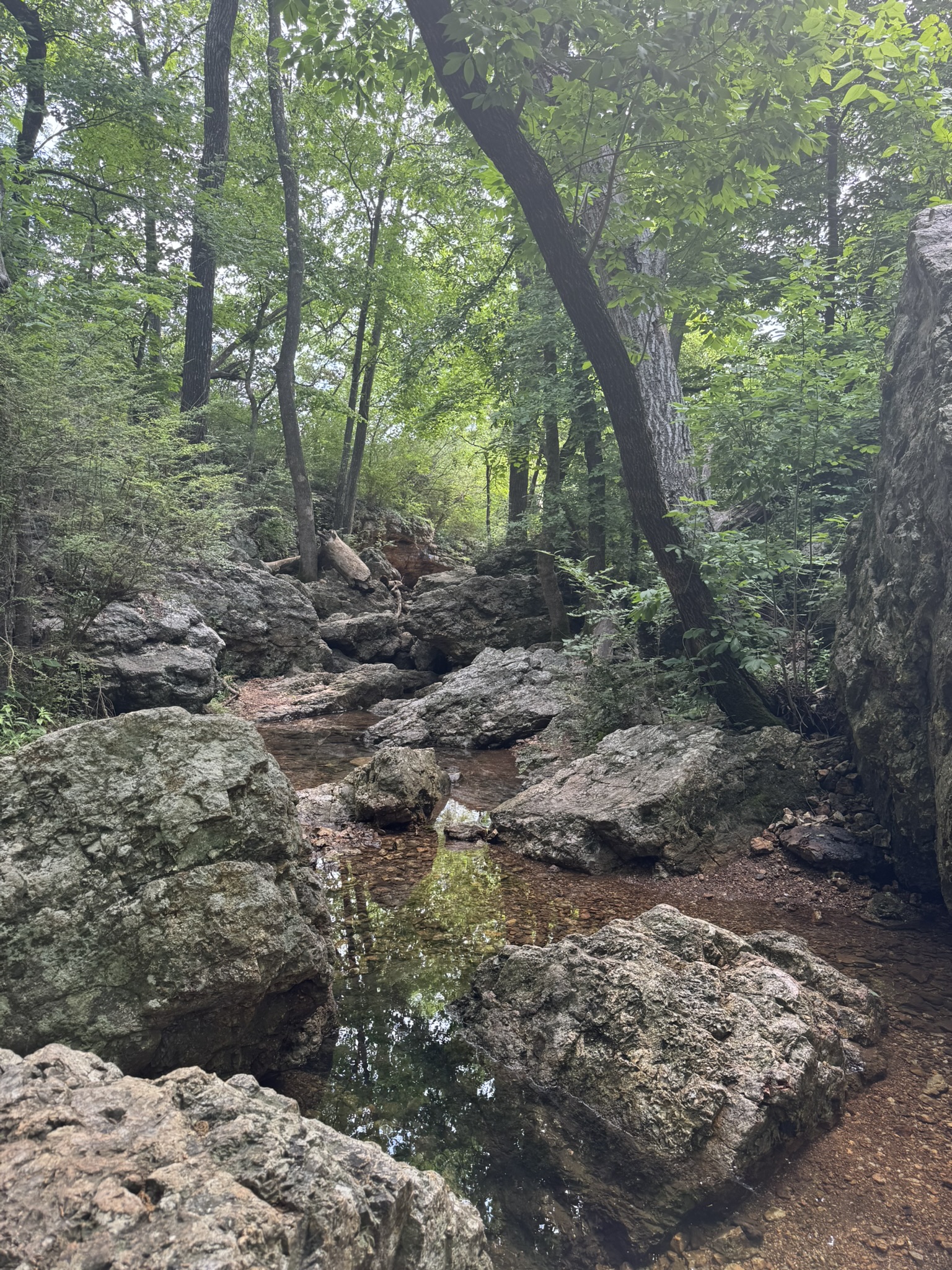
Shoal Creek, Joplin, Missouri
McIndoe Park, Joplin, Missouri

I spent the rest of my time upstream walking the trail at McIndoe Park. I made my way north along the creek until I reached another treasure: Wildcat Park. Formerly a private park, this large section of land on either side of Shoal Creek was also purchased by the city of Joplin in 1923. It features a spring, a large glade, a nature center, picnic facilities, and a series of walking trails (paved and unpaved). There is access to the water for fishing and floating. There are some beautiful places in this park to just sit and enjoy the natural setting, which I did – a restorative experience.
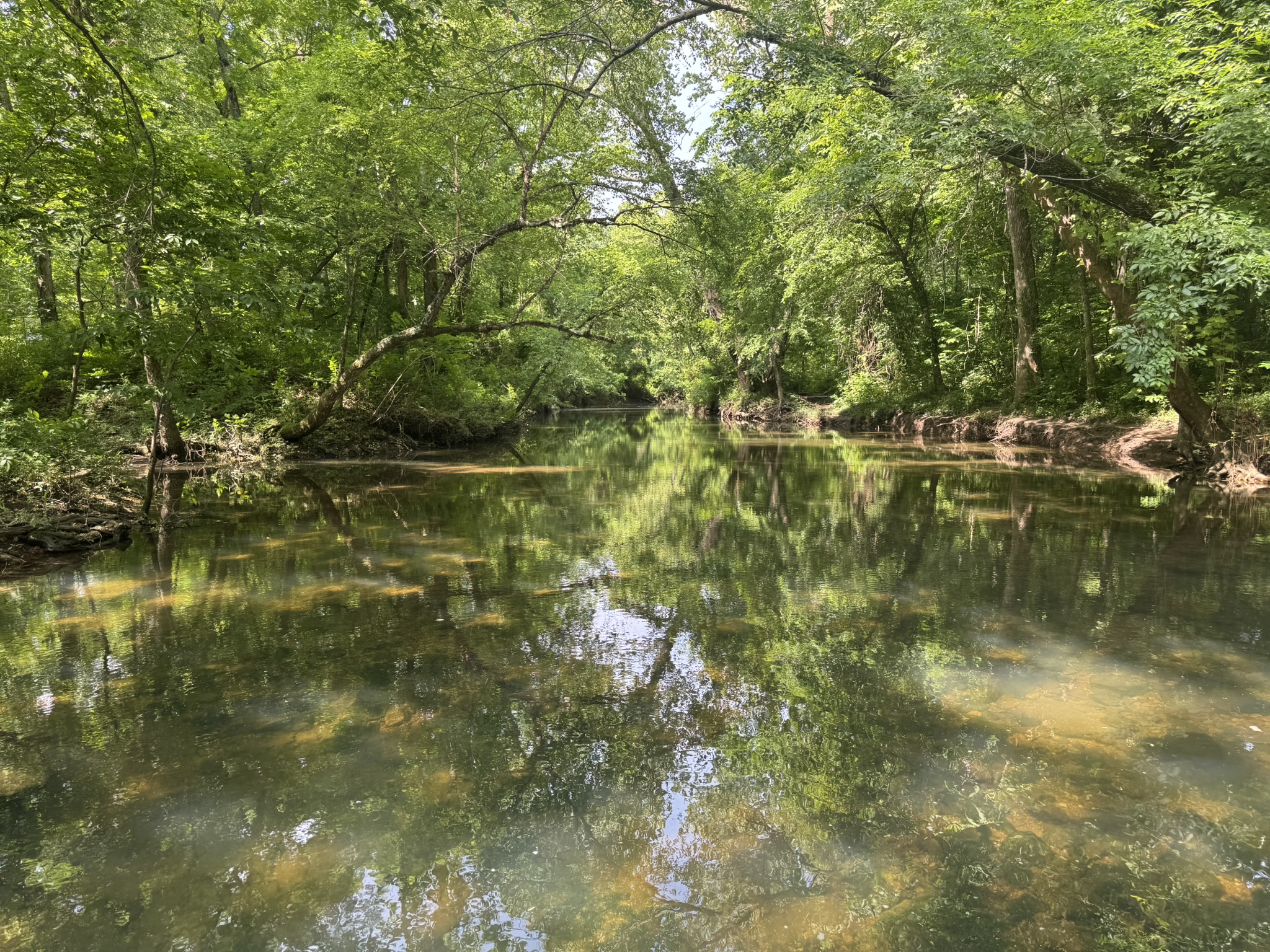
Wildcat Park, Joplin, Missouri

San Diego’s Balboa Park

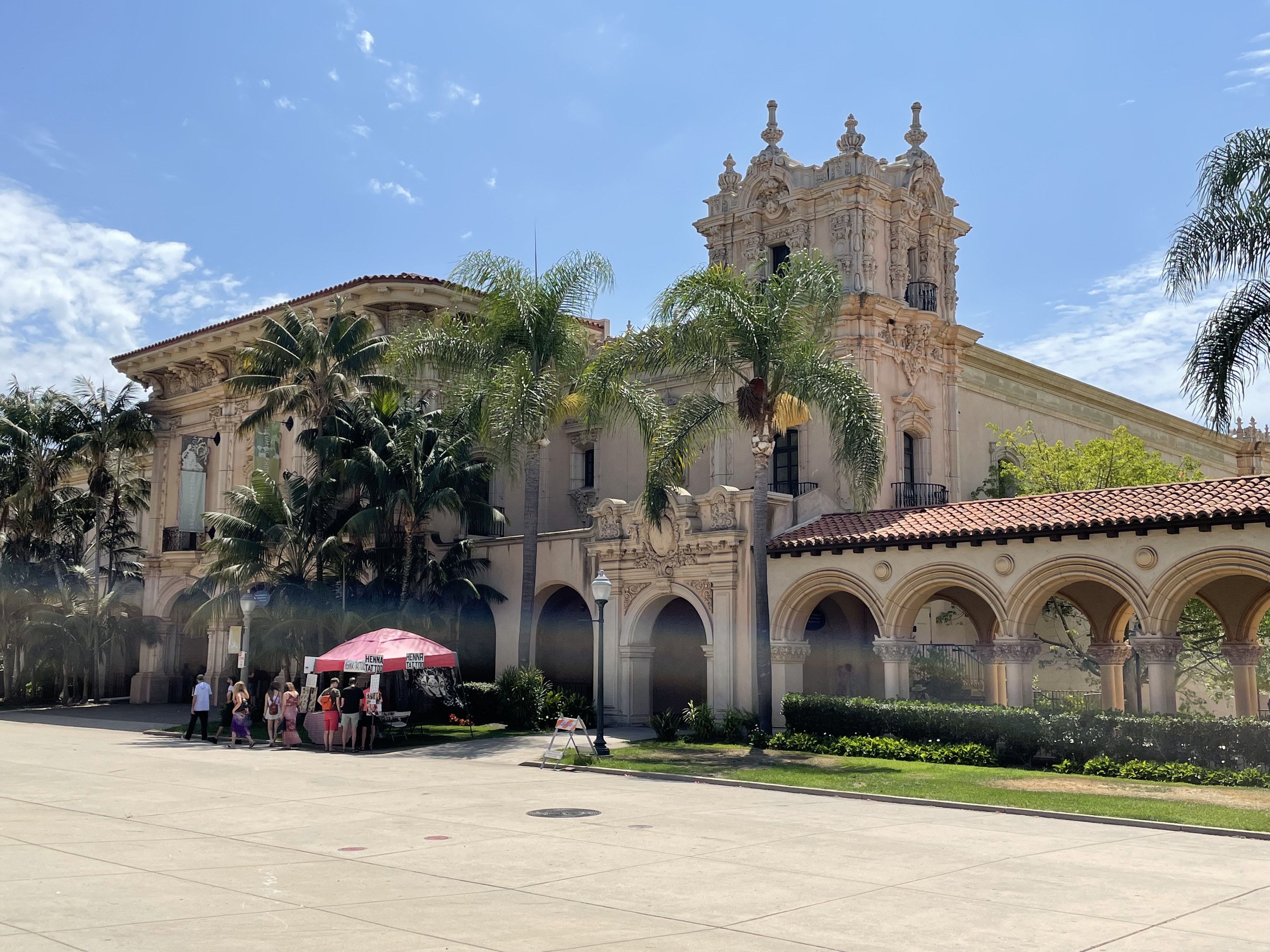
During our vacation in 2022 to San Diego, my wife and I spent a morning strolling around Balboa Park. Named for the Spanish-born explorer and perhaps the first European to witness the Pacific Ocean, this 1,200-acre site has a long, rich history going back to 1868 when San Diego’s leaders set aside the scrappy undeveloped area for public use. It didn’t really begin to take shape as a recognizable park until 1892 when a schoolteacher turned botanist and entrepreneur named Kate Sessions leased 32 acres of the property for her growing nursery’s propagation. She also agreed to plant trees annually in the park and in other public spaces around the city. The species included cypress, pine, oak, and eucalyptus. Some of the oldest specimens in the park today were part of the original plantings. She also introduced exotic plant species such as bird of paradise, Queen palm, and poinsettia. Her efforts eventually earned Sessions the honorary title “The Mother of Balboa Park.”

Balboa Park, San Diego, California

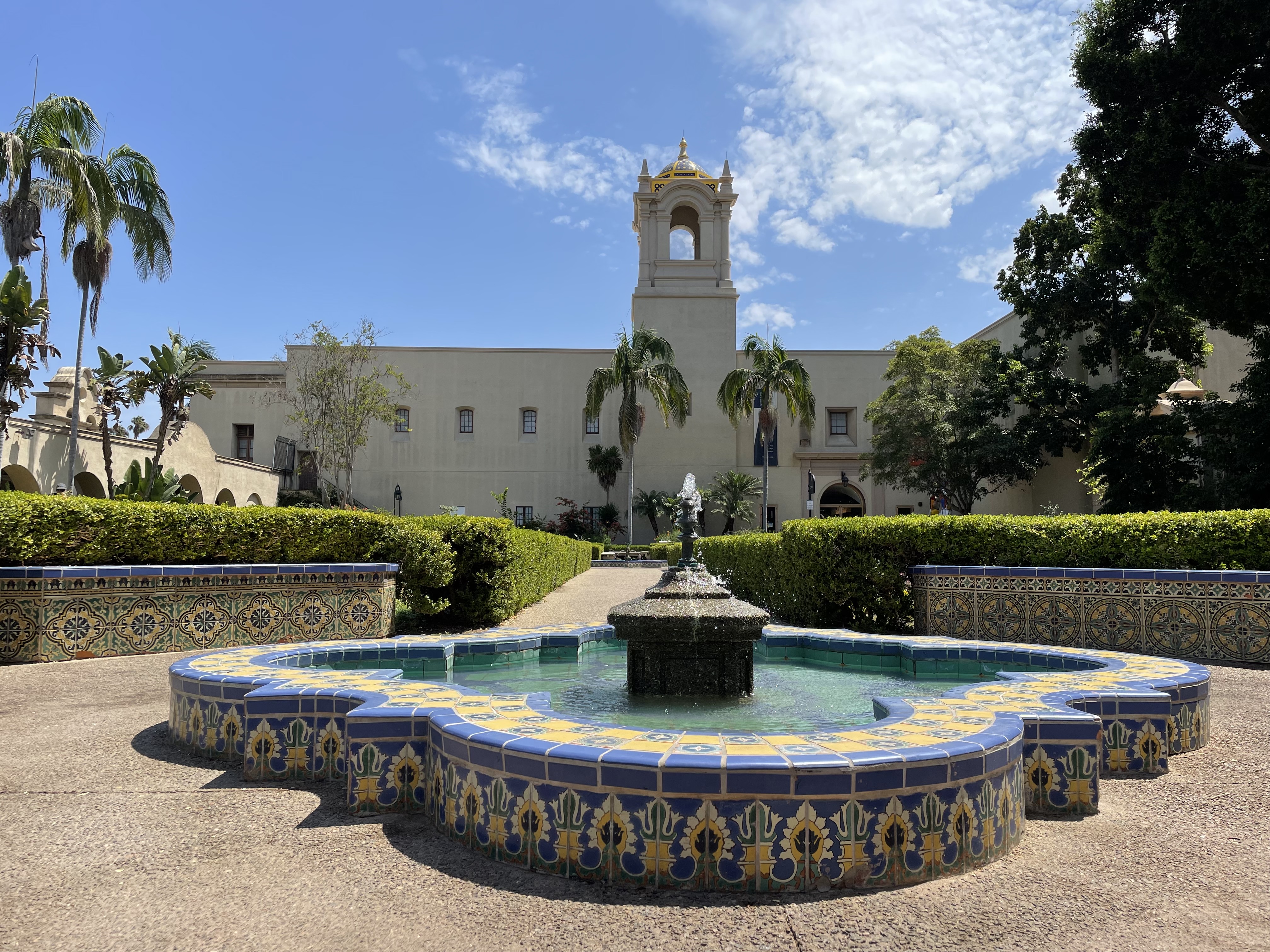
By the early 20th century, the City of San Diego had installed water systems, roads, and other infrastructural elements to Balboa Park. The origin of the elaborate Spanish Colonial architecture dates to 1915 when the park was selected as the site for the Panama-California Exposition. The Cabrillo Bridge and the buildings along El Prado date to this event, along with the Spreckels Organ Pavilion. More buildings were added for the California Pacific International Exposition of 1935-36, especially in the Southern Palisades area. These structures have a much more Southwestern look in the tradition of Pueblo Indian architecture and even Mayan designs.

Balboa Park, San Diego, California

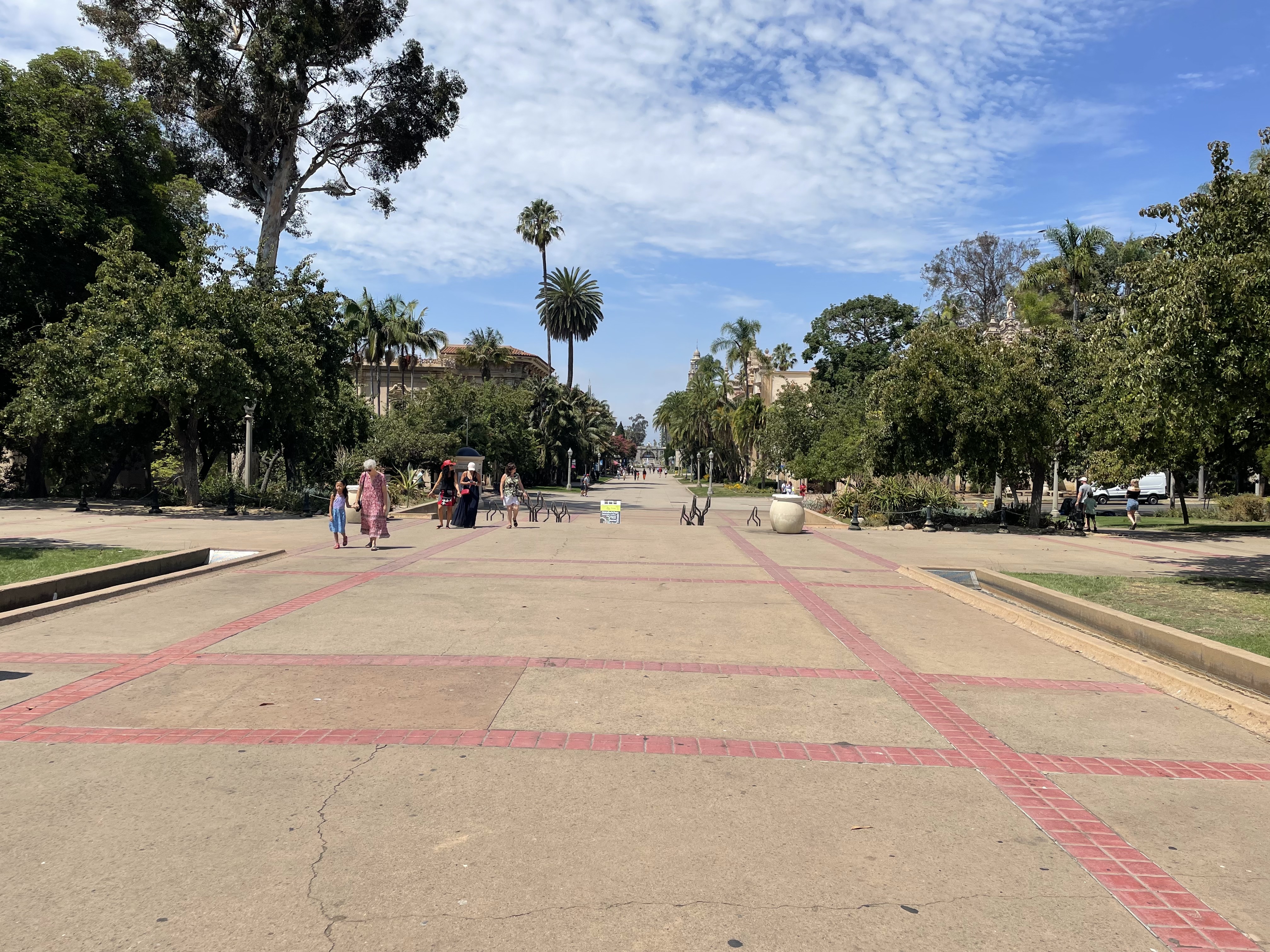
After World War II, several of the main buildings were converted to museums and other cultural institutions. Today, visitors to the park can enjoy the San Diego History Center, San Diego Museum of Art, San Diego Natural History Museum, Fleet Science Center, Institute of Contemporary Art, Museum of Photographic Arts, Women’s Museum of California, Veterans Museum, WorldBeat Center, Museum of Us, San Diego Air and Space Museum, San Diego Mineral and Gem Society, San Diego Automotive Museum, San Diego Model Railroad Museum, Mingei International Museum, the Marston House (early 20th-century Arts & Crafts design), Comic-Con Museum, and Timken Museum of Art.

Balboa Park, San Diego, California

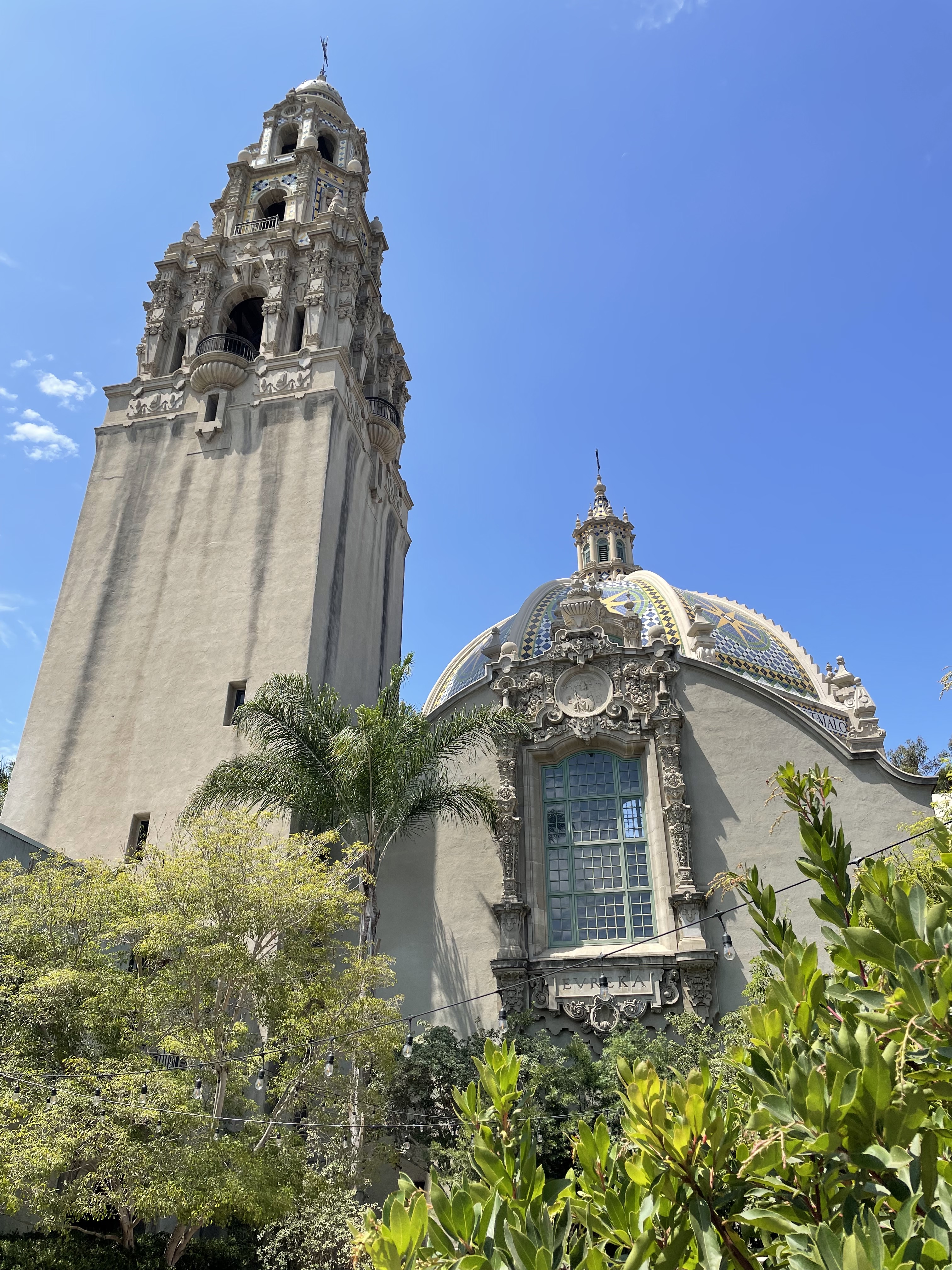
There are fountains and gardens throughout the park, along with the Japanese Friendship Garden (subject of an earlier post). There are restaurants and coffee shops. There are statues (especially in Sefton Plaza), the impressive California Tower, the Spanish Village Art Center, a beautiful carousel, and a miniature train. The park’s visitors center is the best place to start exploring the site. If we return to San Diego, I plan to devote more time to wandering through some of these museums. The Botanical Building and Lily Pond were undergoing major renovation work when we were there, so I definitely want to see those if we go back to Balboa Park, and I hope we do.

Balboa Park, San Diego, California