The Bourbon Trail: Sipping Our Way Through Kentucky

My wife and I were joined by a dear friend from Arizona recently for a trip to Louisville, Kentucky, which served as our anchor location to visit four different distilleries. These distilleries are among many in the north central part of the state that the Kentucky Distillers’ Association collectively brands as the Bourbon Trail. As most folks know, Kentucky promotes itself as the only legitimate home of bourbon production in the country, if not the world, because of its rich soil for growing corn and its limestone-rich water for ideal fermentation. By definition, bourbon must contain at least 51% corn mash, which gives the spirit its sweet taste and robust flavor. When Scots-Irish immigrants settled into what is now the state of Kentucky in the late 18th century, they brought with them their grain distilling knowledge and methods, which over time produced a product that was unique and became identified with the state.

The major bourbon distilleries are all located within an hour or so from Louisville, so we decided to stay in the city and visit two distilleries one day and another two the next day. My wife is very skilled at planning all our trips, but she knocked it out of the park this time. Taking a standard tour of all these places would have gotten quite repetitive and eventually boring. She managed to coordinate and schedule completely different experiences at each of the four distilleries we visited. We never felt rushed during the day and had plenty of time to get back to Louisville each evening for an early dinner.

We drove into the city on a Tuesday afternoon and had dinner at The Porch Kitchen & Bar, a hip after-work spot that has an impressive beverage and food menu. The signature old fashioned is made with Elijah Craig bourbon, vanilla demerara, and black walnut bitters – the second one was even better than the first. The braised short rib served on a bed of cheese grits was incredible. We all three shared two desserts: a bourbon butter cake with vanilla ice cream drizzled with bourbon sauce along with a banana foster pie. Oh my!
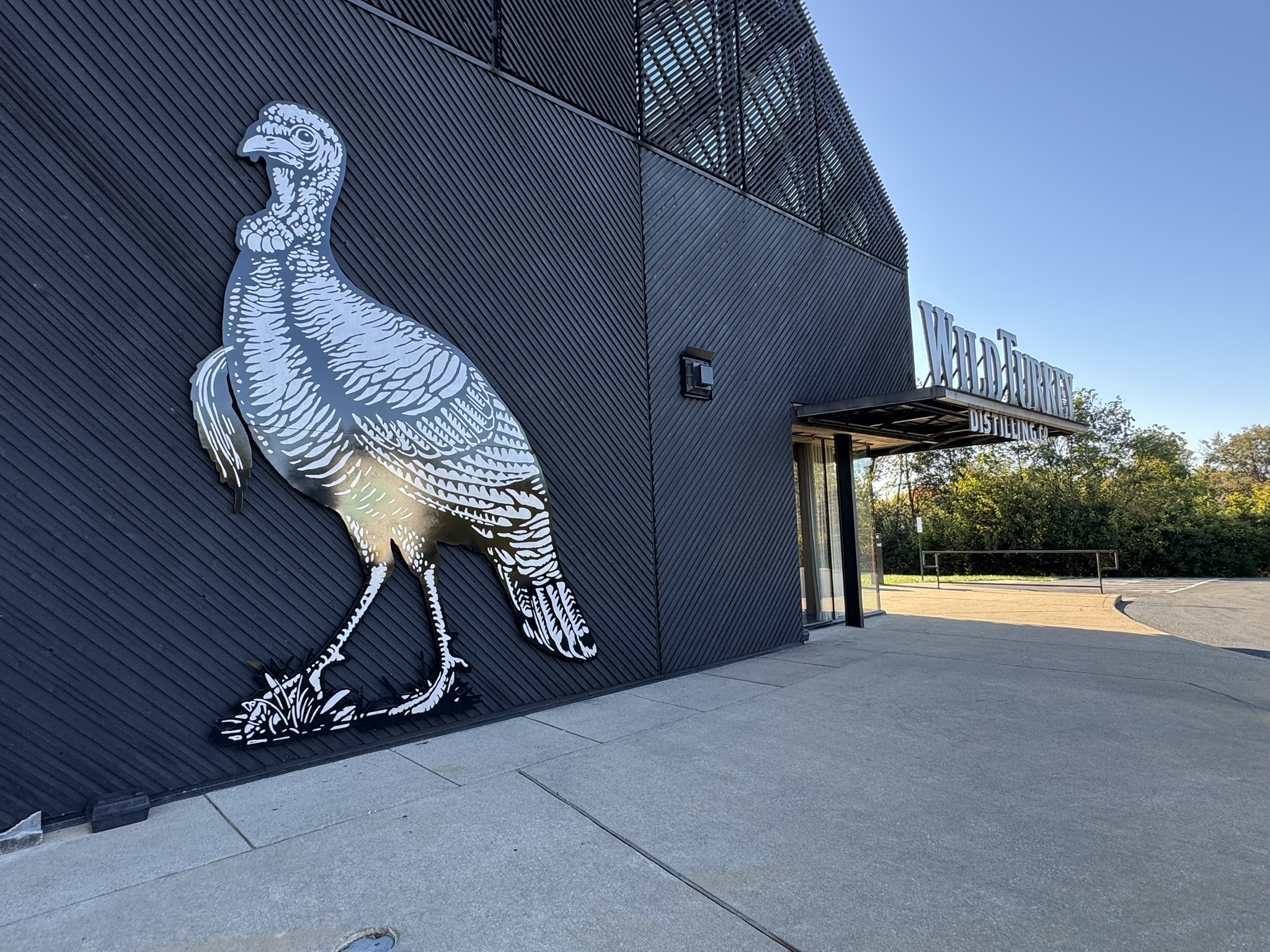
Wild Turkey Distilling Company

The next morning, we headed out around 9:00 to the Wild Turkey Distillery Visitor Center near Lawrenceburg. The facility was only a few months old and included a wonderful mix of old-style architecture of exposed beams and concrete floors with large video screens featuring the Wild Turkey product line. We were scheduled for a 10:30 tasting flight (yes, I know that’s early to start drinking), which also included a brief but informative history of the distillery, an overview of the master distillers, and some information about the distilling process. With origins going back to the mid-19th century, Wild Turkey bourbon has a short list of long-serving distillers. Jimmy Russell is in his 90s and is still working at Wild Turkey. He is a 60-year whiskey veteran and the longest-tenured active Master Distiller in the global spirits industry. Our presenter and server that morning was middle-age fellow who was entertaining, articulate, and impressively knowledgeable. This program and tasting offered us a perfect way to start our bourbon trail adventure because it served as an introduction to the industry and distilling process. And that first snort at 116 proof could have doubled as a tonsillectomy, although the fine folks in the industry call it the “Kentucky Hug.”
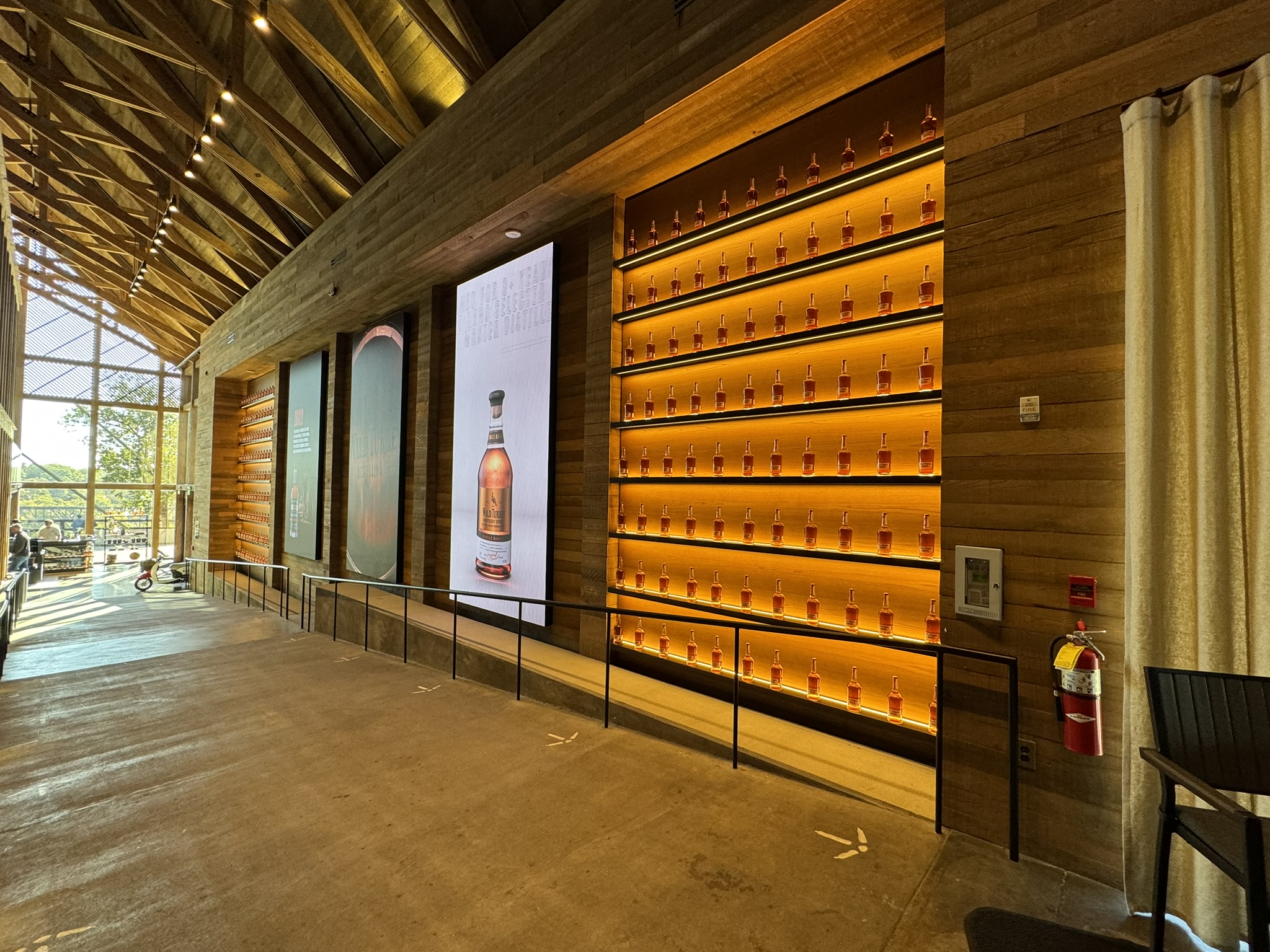
Wild Turkey Distilling Company
Maker's Mark Distillery
Maker’s Mark Distillery
Maker's Mark Distillery
Maker’s Mark Distillery

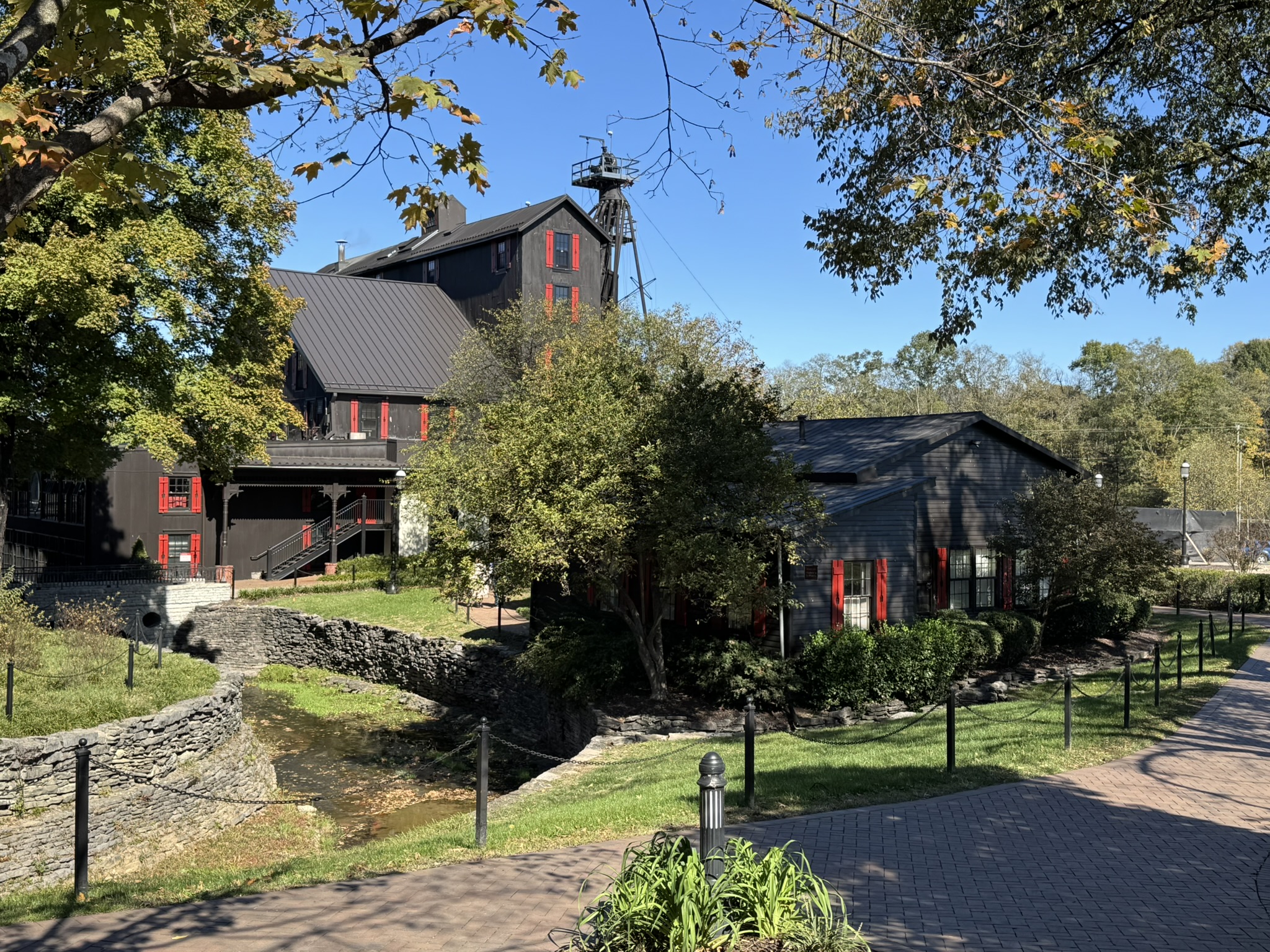
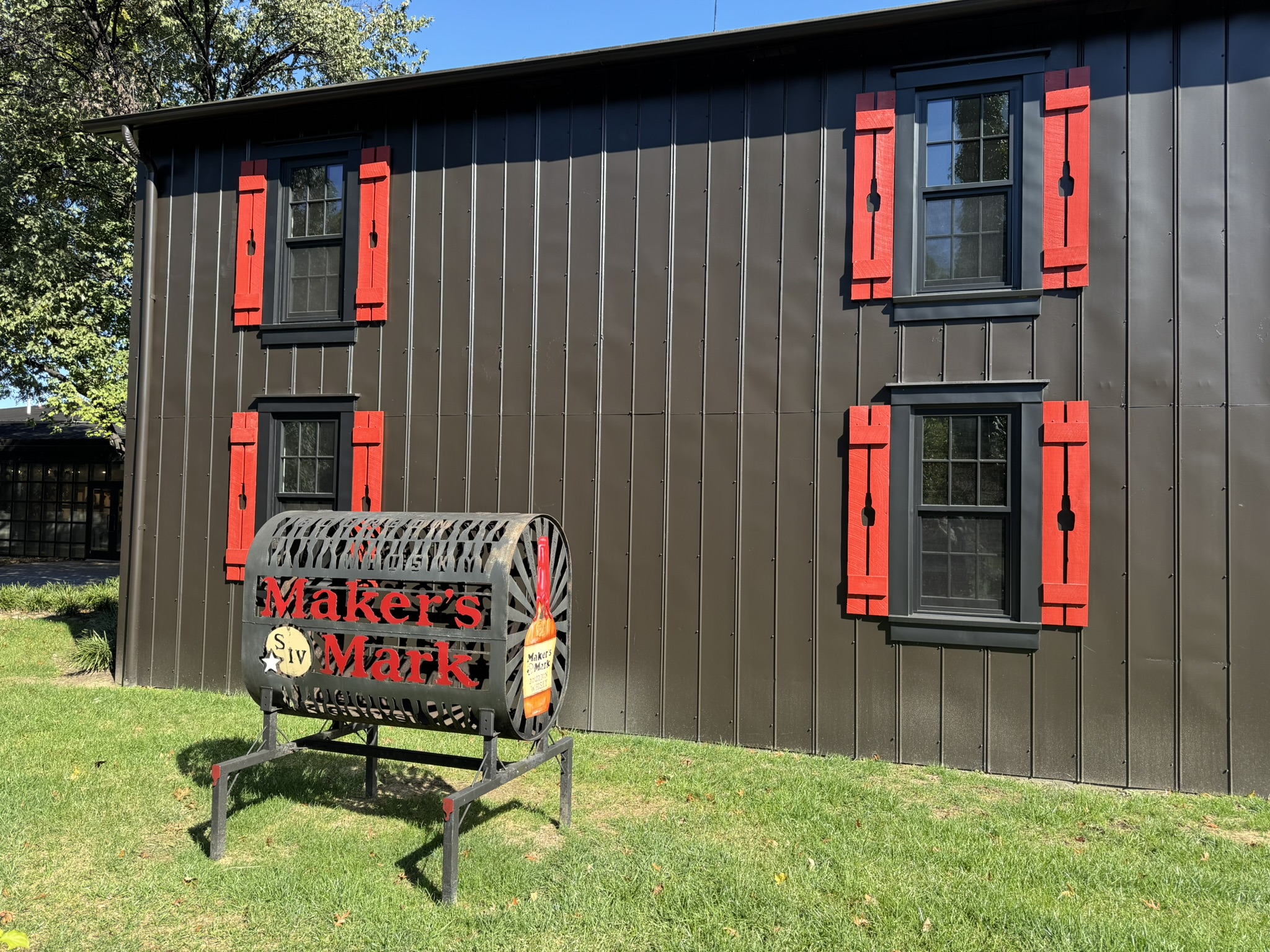
Our next stop was Maker’s Mark Distillery near Loretto. We arrived just in time for lunch at the distillery’s Star Hill farm-to-table restaurant. Before leaving the restaurant, we ordered cocktails to “stroll and sip,” an activity the management encourages because there is plenty to see on the 36-acre campus, including a visitor center, an historic residence, the restaurant, a cellar, an old barrel house, a bottling facility, a gift shop, and much more. The grounds resemble a small village with signage, murals, exhibits, and displays all among the buildings. A major highlight of the site is an indoor and outdoor installation of art by Dale Chihuly whose career in glasswork spans over fifty years. His colorful sculptures have captured the imagination of audiences worldwide.
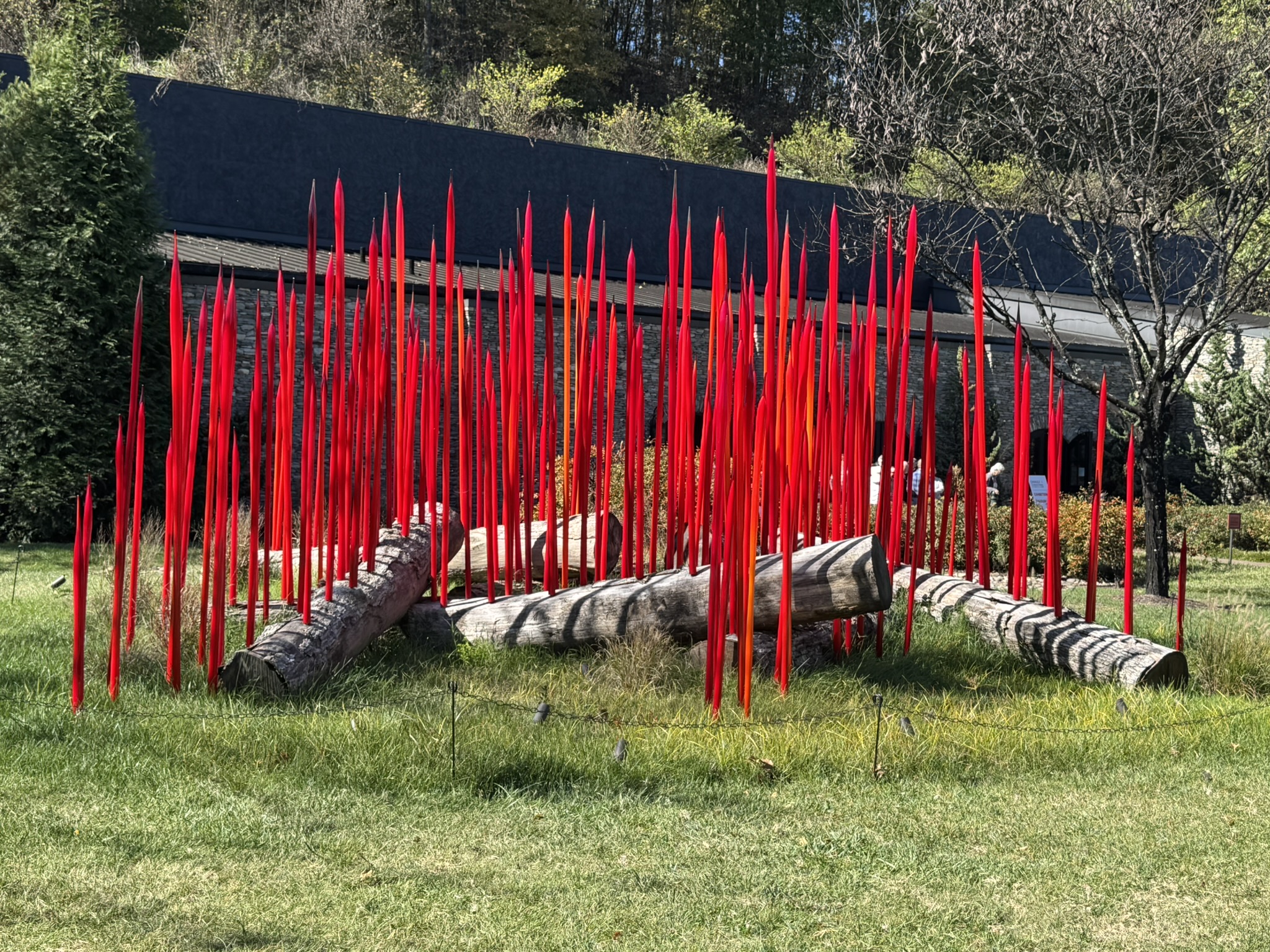
Maker's Mark Distillery
Maker’s Mark Distillery
Maker's Mark Distillery
Maker’s Mark Distillery

We returned to Louisville for another early dinner at a fun place called Mussel & Burger Bar. Instead of a bourbon cocktail, I went with another one of my whiskey favorites: the Manhattan. I prefer this rye-based drink very cold in a chilled martini glass straight up, and the bartender was happy to indulge me. Our friend ordered a plate of mussels, which I really like, but I was craving a bacon cheeseburger. Our great waiter served it with a heaping helping of “chips” (French fries) in a paper cone nested in a metal cup, much like the Brits do. Dessert was out of the question – no room.
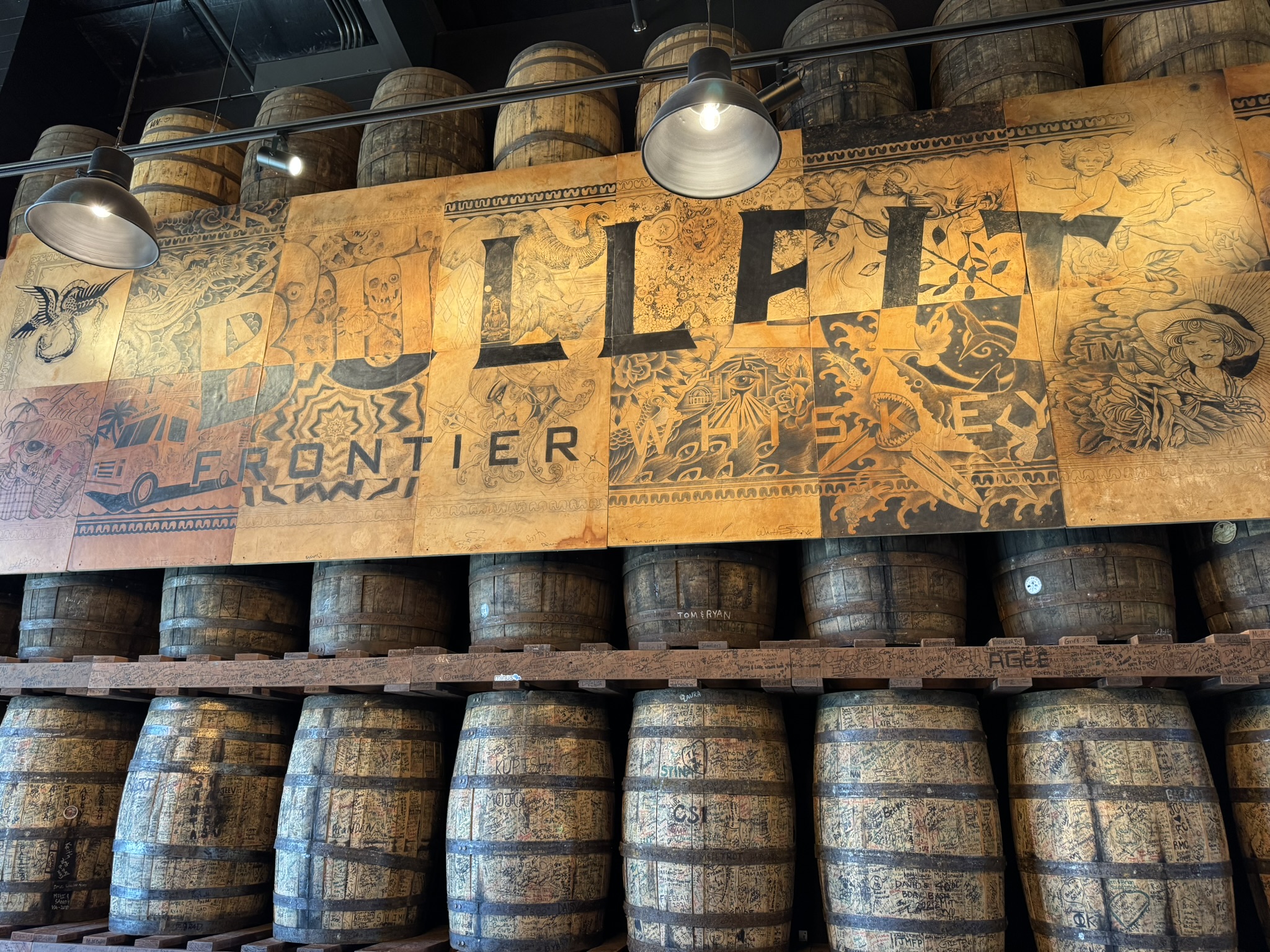
Bulleit Distilling Company

The next morning we headed out to Shelbyville, a quaint town due east of Louisville. After a short stroll up and down Main Street, we ate lunch at McKinley’s Eating Establishment. This charming little deli had delicious sandwiches, salads, soups, and a tempting selection of pastries and cookies. We were highly impressed. Just outside of town was our next Bourbon Trail destination: the Bulleit Distilling Company Visitor Center. My wife had booked us for a program called “Anatomy of a Single-Barrel,” where we were joined by seven other visitors in a private tasting room to sample three different single-barrel bottles and the flagship Bulleit Bourbon. Our guide pointed out the notes of each specific yeast strain and how they contribute to the overall flavor profile. Like our first host at Wild Turkey, this younger man was extremely knowledgeable, energetic, and entertaining. When you sip these whiskeys side-by-side over a short period of only 20 minutes, the nuances and differences become obvious. Our guide facilitated this type of discernment by offering us both palate cleansing (water) and nose cleansing (coffee beans and other fragrance devices) between the samples.
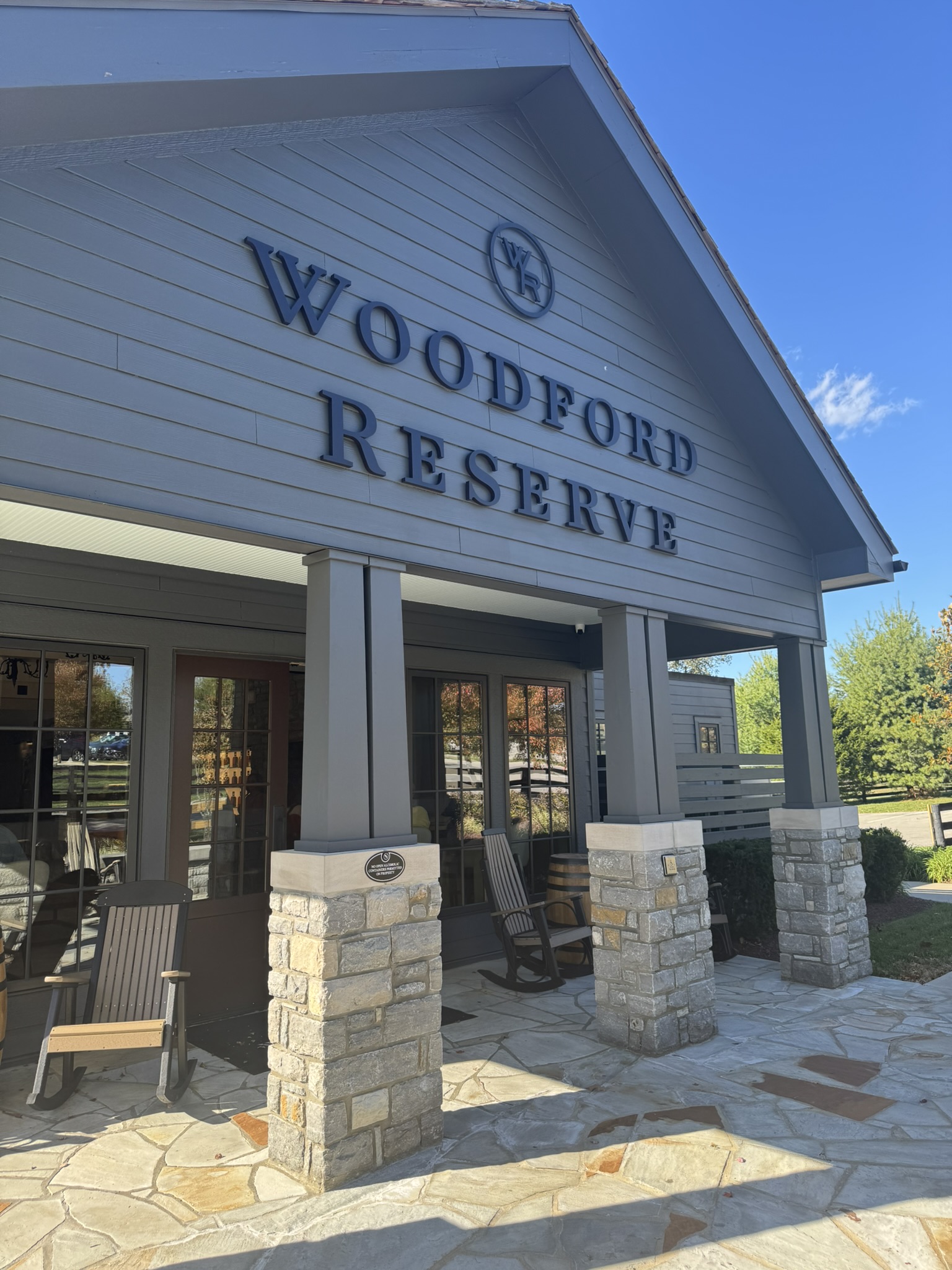
Bulleit Distilling Company
Woodford Reserve Distillery

Our final stop on the trail later that afternoon was Woodford Reserve Distillery outside Versailles, which is surrounded by some of the most beautiful horse ranches and equestrian estates I’ve ever seen. After all, Louisville is the home of Churchill Downs. Woodford’s campus stretches out on either side of McCracken Pike, a country road that winds its way through horse country. Much like the Maker’s Mark campus, the Woodford site is composed of a collection of buildings, several of which are open for guided tours. Our group event this time was called “A Classic Mixology Experience.” We were joined by seven other visitors in a modern tasting room at the Gristmill House where a young bartender talked about the history of my cocktail of choice, the old fashioned. The details he shared about how the drink evolved from its origins in the 1880s at the Pendennis Club in Louisville to the variations that bartenders have created over the decades were fascinating. He then proceeded to mix five different versions of the drink, explaining as he prepared each one about the specific contents: whiskeys, sugars and syrups, flavored bitters, and citrus peels (no cherries, which were added later during Prohibition – I asked). He expertly poured each mixture, one after another, into small cube-shaped glasses, and the participants creased and squeezed their respective citrus peels, including orange, lemon, and grapefruit. The audience did not agree on their favorites. As for me, the classic one he mixed at the very beginning was the best. It’s hard to improve on perfection.

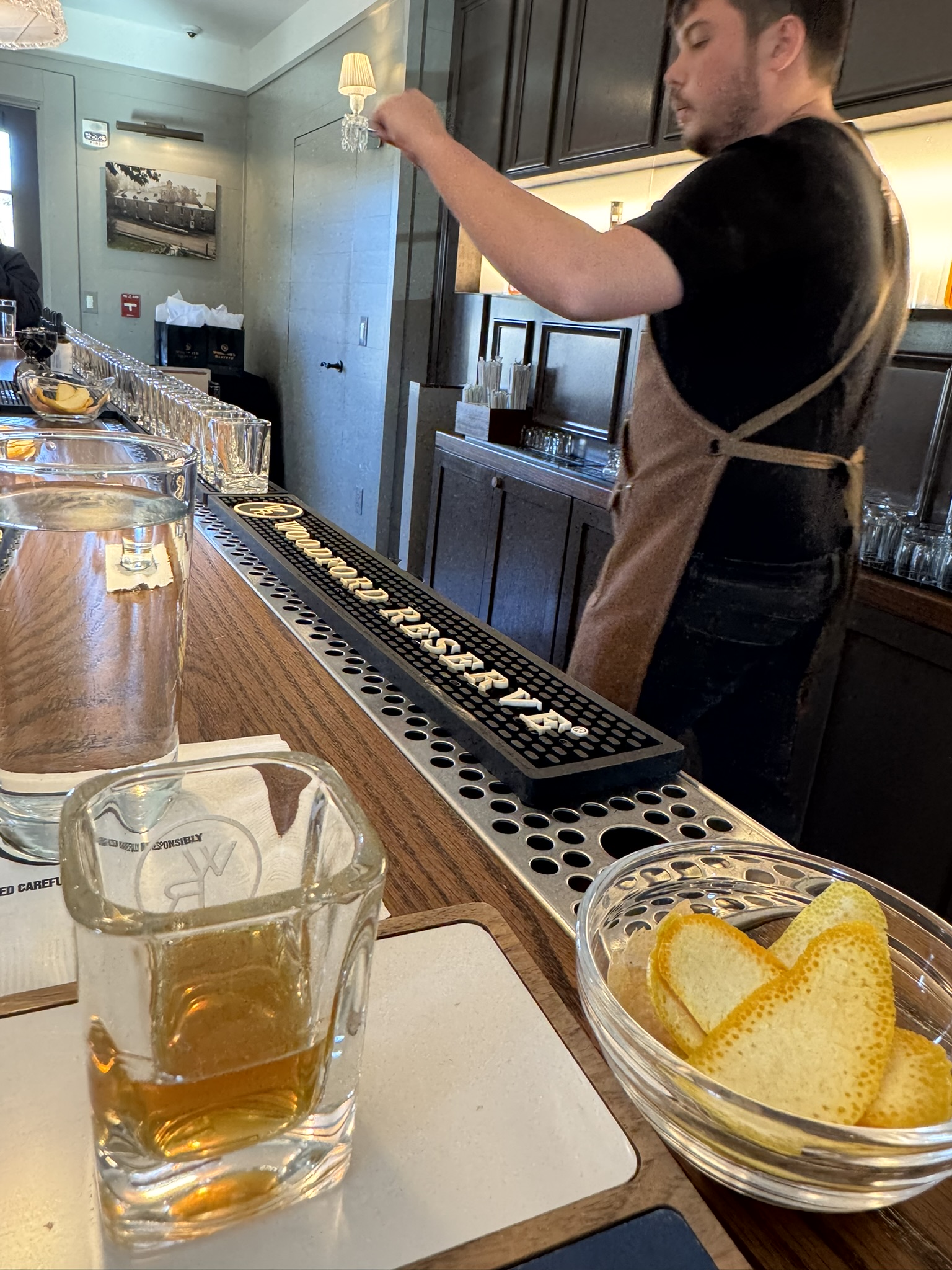
Woodford Reserve Distillery

To round out our trail excursion, we returned to Louisville that evening for an amazing dinner at Porcini, an Italian restaurant located in the city’s historic Crescent Hill neighborhood. We drank wonderful wine and splurged on some of the best fried calamari I have ever tasted. My entrée was the chef’s special for the evening: pan-seared redfish dressed with cream sauce served with green beans – oh my goodness. Our waiter was a seasoned professional who had been a server at the restaurant twenty years before and had returned. He made our dining experience even more enjoyable. Dinner at Porcini presented us with the perfect opportunity to reflect on our Bourbon Trail trek, a trip I’m sure we will remember for a long time. And of course, we took home treasures and souvenirs from the gift shops of each of the distilleries: magnets, hats, shirts, cocktail glasses, flavored bitters, and bottle openers to name a few. We consider ourselves travelers, but our touristy tendencies are never far away. Cheers!

Hanging Out in Hermann, Missouri

To celebrate my 65th birthday this year, which included qualifying for Medicare (woo hoo!), my wife and I took a short trip to the charming town of Hermann, Missouri. We spent two nights and the better part of two days exploring this tourist “dorf” located on the south bank of the Missouri River, a place that is influenced by its German heritage in food, drink, architecture, place names, and to some extent, culture. Founded as a colony in 1836 by the German Settlement Society of Philadelphia, Hermann was named for a northern European Germanic warrior who led an army in 9 CE to oppose the intrusion of three Roman legions into their homeland at the Battle of the Teutoburg Forest. By 1849, the village had established a German newspaper and a German school. Hermann became a river shipping point where viticulture and wineries flourished, which is still an important part of the town’s economy today.

Hermann, Missouri
Hermann, Missouri

Based on a friend’s recommendation, we booked a room at Hermann Hill Vineyard Inn and Spa. This lovely boutique hotel has eight guest rooms overlooking a small vineyard with magnificent views of the valley below where the main part of the town is situated. From our corner room we could even see a small portion of the Missouri River in the distance. The service and amenities at Hermann Hill are amazing. We were treated with wine, bread, cheese, and grapes in our room upon arrival after a brief tour of the facility. The inn has a spa (we didn’t take advantage of that service), a small gift shop, a cozy sitting area, a dining room, a kitchen with free snacks and drinks for guests, and outside spaces with grills, tables, and chairs. There are frozen margarita machines in the kitchen!

Hermann Hill Vineyard Inn and Spa

We stayed in one of the nicest rooms the inn offers, on the top floor with a small balcony. Our room had a gas fireplace, small glass table with two swivel chairs, a desk and chair, a spacious closet, a comfy king-size bed with soft sheets (we bought a set down in the gift shop), and a spacious bathroom with a spa tub and a steamer shower. A staff member brings ice cream and cookies to all the rooms in the evening around 8:00 p.m.

We were required to order breakfast ahead of our arrival, which we only took advantage of the first morning we were there. A staff member brought coffee and tea to our room at 7:45 that morning, and then we were served a full breakfast at 9:00 in the downstairs dining room, which we had to ourselves on a Monday. Other guests were eating on the outside deck. Hermann Hill exceeded our expectations, and before checking out the next morning, we booked a room for October 2026, when we hope to see fall color and enjoy cooler temperatures.

Hermann, Missouri
Hermann, Missouri

For the 45 hours we spent in Hermann, we essentially scouted the town for a quick getaway but also to determine if we wanted to return sometime in the future. Our first stop was Sunday lunch and a wine tasting at Stone Hill Winery, located toward the south end of town. We were impressed enough with a couple of the wines to buy a bottle of each and a few other fun items in the winery gift shop. In the early afternoon, we strolled around the downtown area shops and restaurants and took a walk through a park on the banks of the river. The weather was incredibly pleasant that day for early August.

Missouri River at Hermann, Missouri

We checked into our room at Hermann Hill around 3:00. Once we discovered there was pizza, drinks, and snacks in the kitchen and that we were going to be served dessert later, we decided to just hang out on the property for the rest of the evening. The view from our room made us feel like we were gazing out at a European village, especially as the sun went down and the lights from the valley began to appear. It was enchanting. My wife and I are perhaps more content than some travelers to spend time relaxing in hotels wherever we go, especially if we have a room with a view. I can spend hours reading on a balcony or at a window.

Hermann, Missouri
Hermann, Missouri

After breakfast the next morning, we headed back downtown to check out some of the shops while getting some good walking exercise. Later we had lunch before visiting the Black Shire Distillery tasting room. Out on a shaded patio, we sampled several different varieties of gin, bourbon, and blended whiskey. Some of them were quite good. We bought a bottle of gin to take home. We drove around a bit and spent more time back at the hotel before returning later for an early dinner at a downtown deli. We needed to get back home by around noon the next day, so we rose early, checked out of our room, and made a quick stop at a coffee shop for caffeine and some of the best scones I have ever tasted. Then we took the bridge and crossed “the wide Missouri,” to make our way back home. We look forward to returning next year.

Hermann, Missouri
Hermann, Missouri

Key West: A Little Slice of Paradise

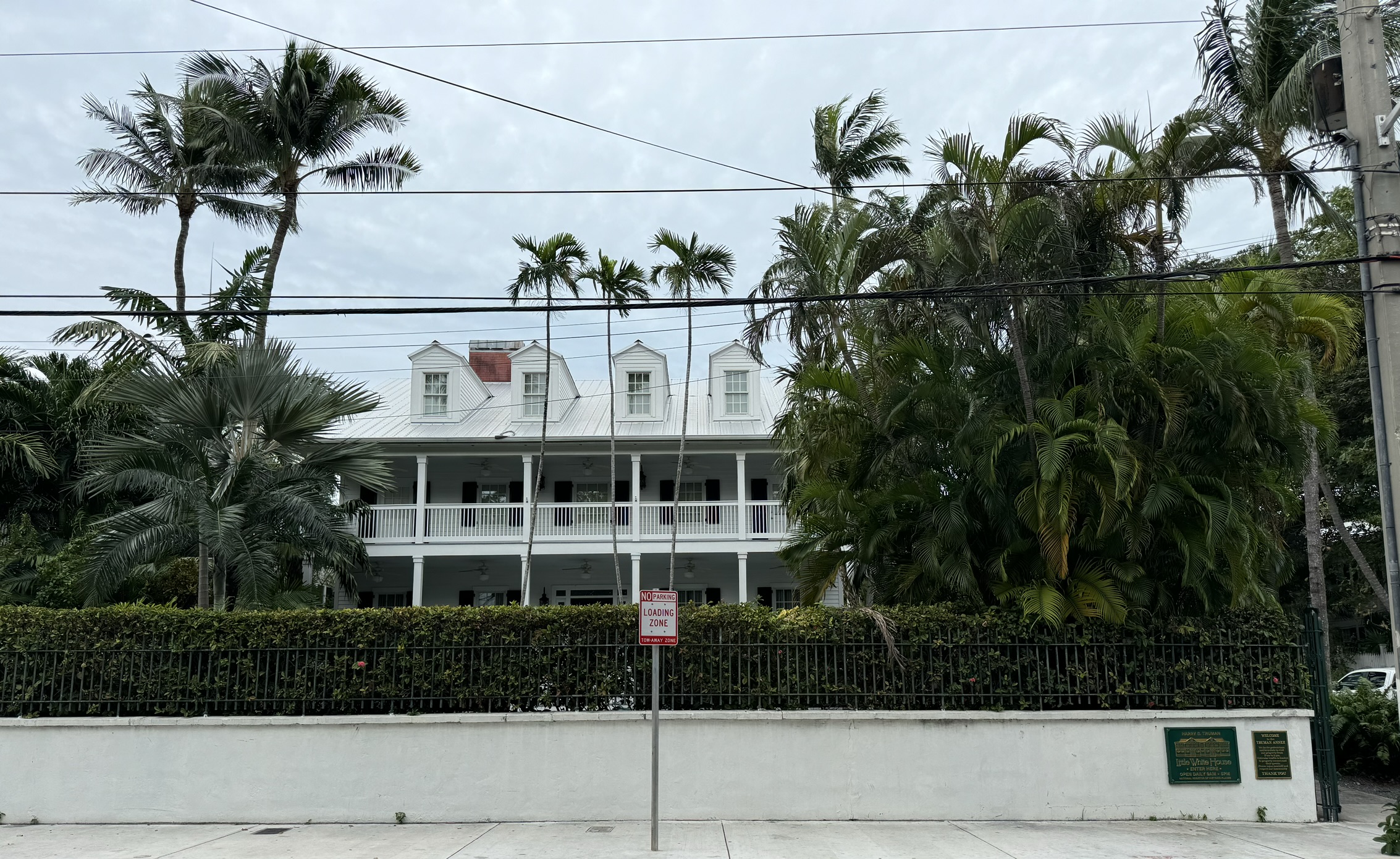
During the week before Thanksgiving in 2024, my wife and I took a four-night vacation to Key West, Florida. Neither of us had ever visited the island, which holds an oversized place in the American cultural imagination. Key West has attracted a wide range of celebrities over the years like Ernest Hemingway, Jimmy Buffett, Tennessee Williams, John James Audubon, several U.S. Presidents, and countless movie stars and musicians. Harry S. Truman was so charmed by the place that he had a Little White House there, where he spent 175 days over eleven visits during his administration.

Key West sunrise from Southernmost Resort
Key West - Harry S. Truman Little White House
Key West – Harry S. Truman Little White House

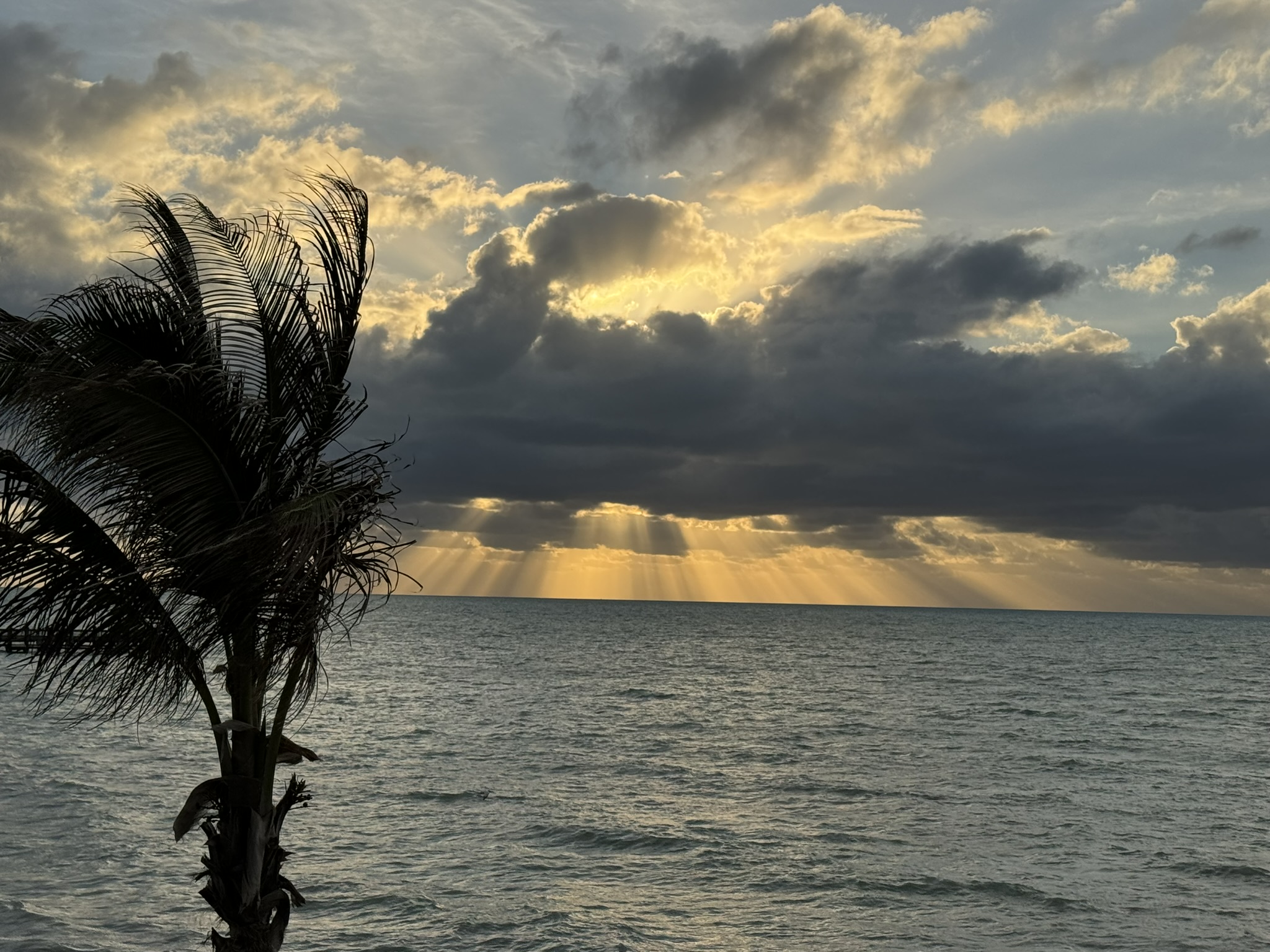
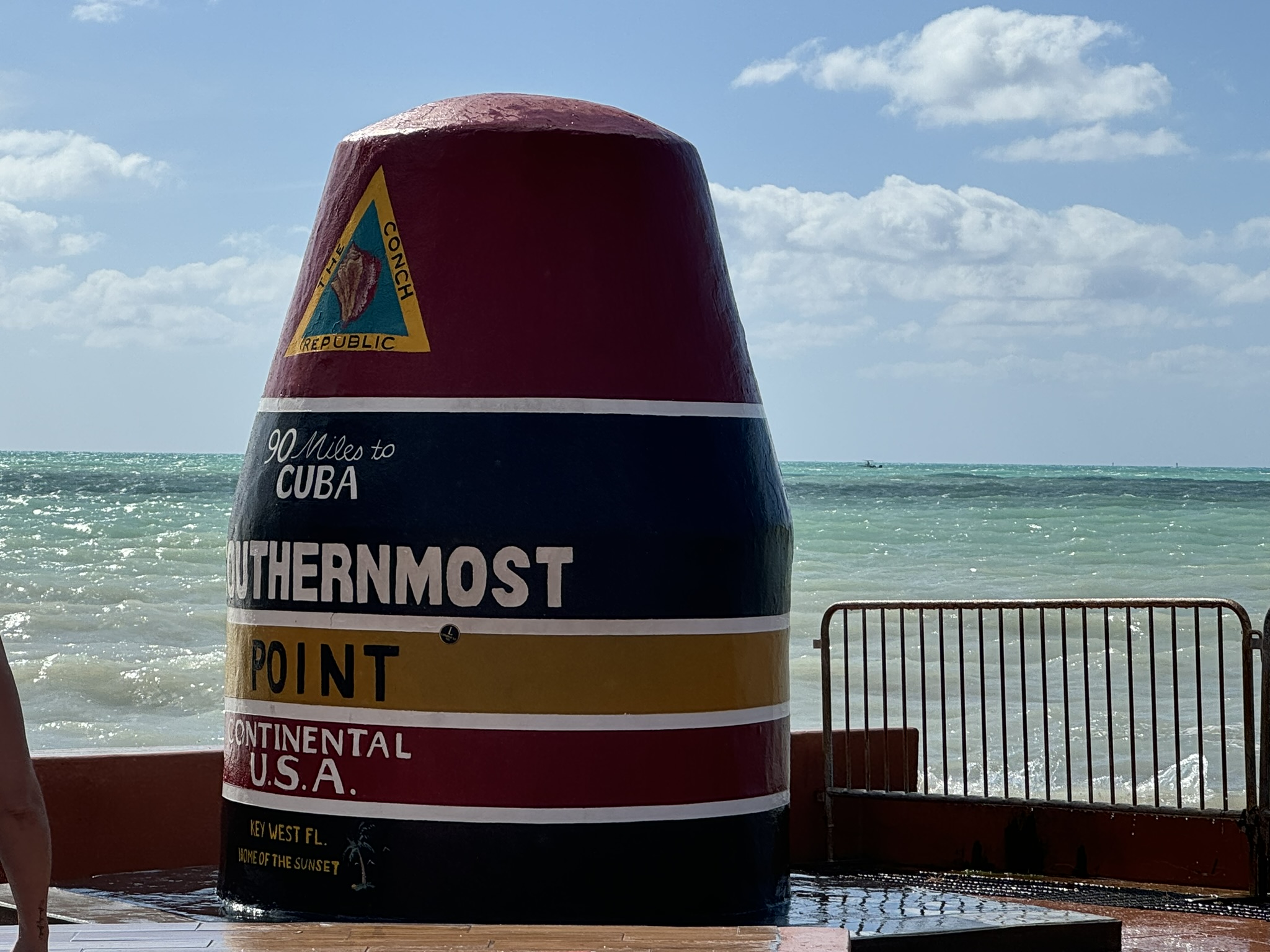
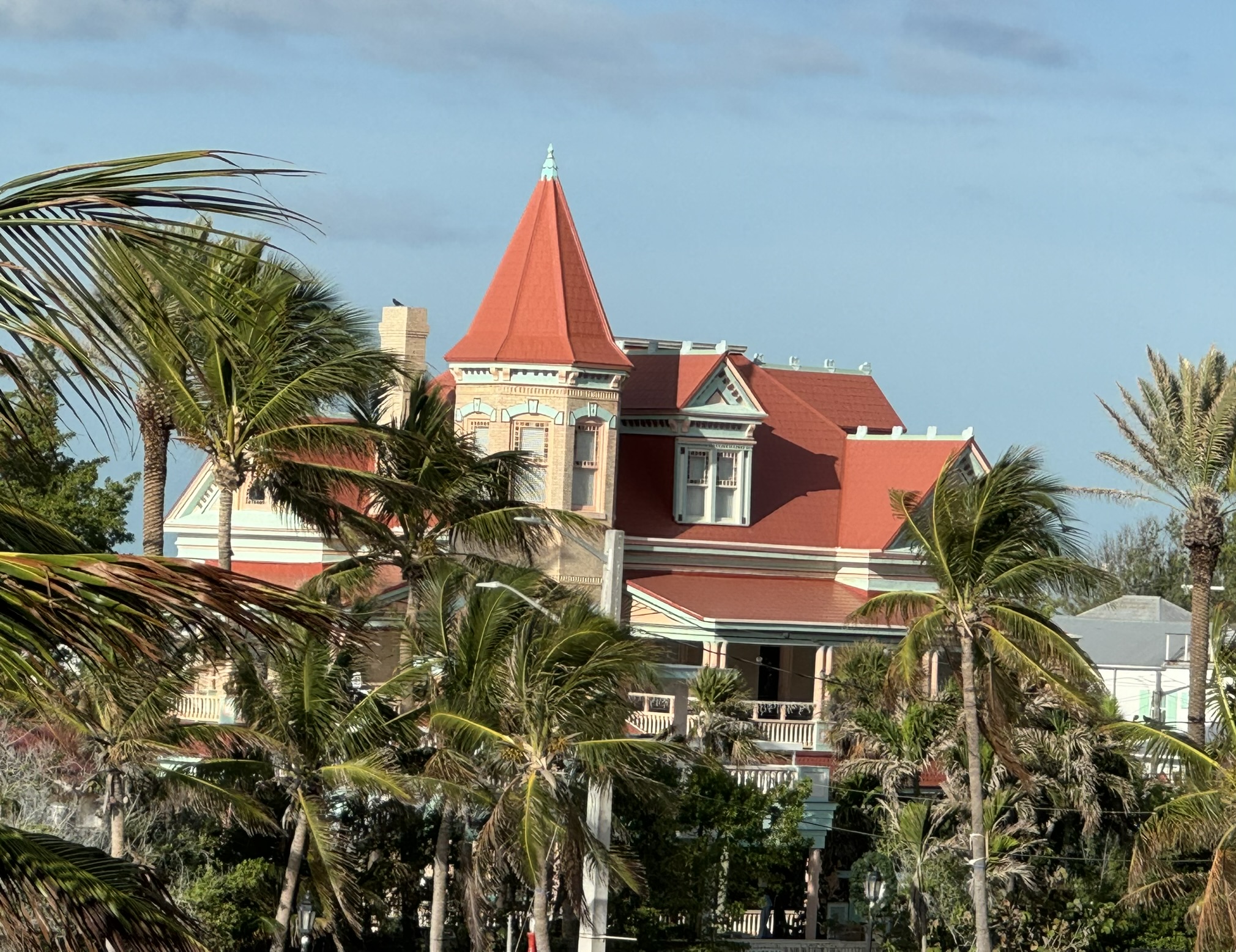
Most people believe that Key West is as far as you can go south and still be in the country, but the true southernmost point of the continental U.S. is Ballast Key located south and west of Key West. Nevertheless, Key West has adopted the “southernmost” tourism brand for itself, complete with a photo-op concrete buoy and numerous locations using the moniker. The southern tip of the island is a mere 81 nautical miles from the north coast of Cuba. We stayed at a lovely property called Southernmost Beach Resort with a balcony room on the third floor overlooking the ocean. The water was rough for our first two days, and it was wonderful listening to the waves crashing against the massive concrete sea wall just below our room.

Key West - Southernmost Point Buoy
Key West – Southernmost Point Buoy

Running four miles long and about two miles wide, Key West is a very walkable island. We walked the entire width, north on historic Duval Street, which carried us from our resort up to the marinas and cruise ship docks. We wandered around the tourist attractions in that area, including the shops at Mallory Square. We also spent some time strolling through the Old Town historic district, which is filled with beautifully restored 19th century homes, some of which are now bed and breakfast accommodations, although many are still private residences. The following is a list of highlights from our trip to this tropical paradise, which truly exceeded our expectations.

Duval Street: Named for the first territorial governor of Florida, William Pope Duval, this is Key West’s main drag and is filled with shops, restaurants, bars, and vintage hotels that are reminiscent of what I think of as “Old Florida” that flourished during the golden age of tourism in the 1950s and 60s. We walked up and down Duval numerous times for shopping, dining, and drinking (as the locals say, “It’s Key West”).

Hemingway Home and Museum: The author of classics such as The Old Man and the Sea and For Whom the Bell Tolls lived with his wife, Pauline Pfeiffer, in this two-story residence during the 1930s. After eight years of residing at the house, Hemingway moved to Cuba in 1939 and divorced Pauline the following year. Pauline lived in the house until her death in 1951. The only full-time residents now are the famous six-toed cats that lounge around the property, in and outside the house.

Key West - Hemingway House Front Entrance
Key West – Hemingway House Front Entrance

Mansion on the Sea:  Built in 1897, the iconic Mansion on the Sea, was originally home to Judge Vining Harris and his wife Florida Curry, the youngest daughter of the state’s first millionaire, William Curry. Wanting only the best for his youngest daughter, Curry commissioned Thomas Edison to install the electricity in the one-bedroom home. Over the years, the Mansion evolved and took on many different purposes. During Prohibition (1919-1933) the Mansion served as a destination for many notorious gangsters and other famous travelers. Five U.S. Presidents, including, Harry S. Truman, Dwight D. Eisenhower, John F. Kennedy, Richard M. Nixon, and James E. Carter, Jr. were guests here. The Mansion is now a boutique inn. We had drinks and coconut shrimp at the outside bar the Mansion our first night on the island.

Key West - Mansion on the Sea - Southernmost House
Key West – Mansion on the Sea – Southernmost House

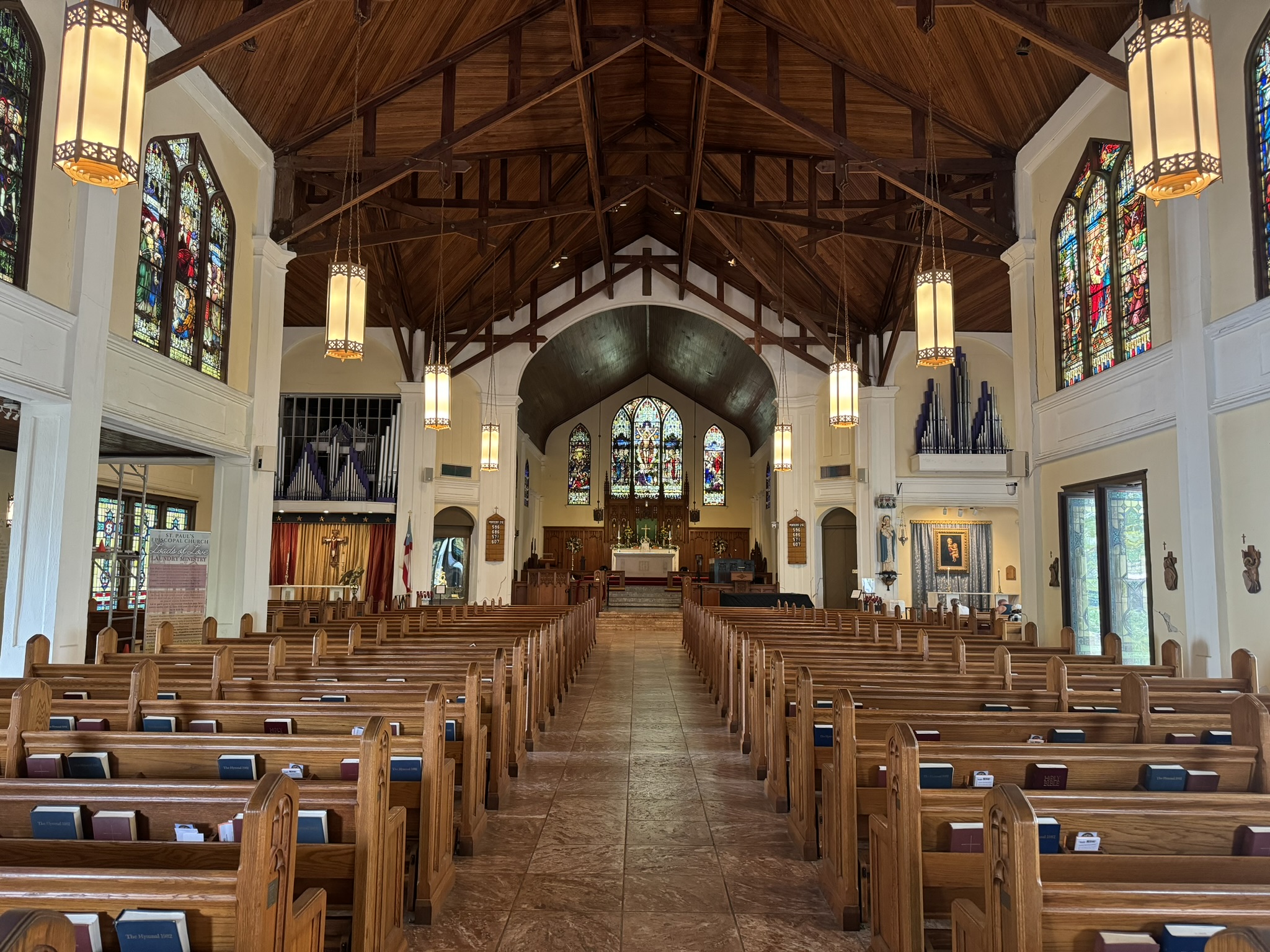
St. Paul’s Episcopal Church: This the fourth building on this site and houses the oldest church in the Florida Diocese. Established in 1832, this oldest U.S. congregation south of St. Augustine has been served by dozens of priests throughout almost two centuries. The church building and grounds at the corner of Duval and Eaton Streets are open daily for prayer, meditation, and visitation.

Key West - Saint Paul's Episcopal Church
Key West – Saint Paul’s Episcopal Church

Rock & Roll Hall of Fame

My wife and I took a brief trip to Cleveland, Ohio in August, 2024. We had hoped to do so in 2020 while my wife was working temporarily in Fort Wayne, Indiana, when I could fly in, and we could then drive over to Cleveland. But the world shut down when COVID struck. We both love rock music, and as an amateur rock and pop musician, I was interested in visiting one of the top destinations the city has to offer: the Rock & Roll Hall of Fame. However, we both agreed that we would need more than a single objective to justify flying from our home in Springfield, Missouri, through O’Hare airport in Chicago, and then on to Cleveland. We found one. We discovered that one of our favorite bands, Hootie and the Blowfish, was touring in 2024 and that Cleveland was one of their stops. They were going to be playing at the magnificent Blossom Music Center in Cuyahoga Falls, Ohio, about 20 minutes south of Cleveland. We had a twofer and were good to go!

Neither one of us knew much about Cleveland and didn’t have high expectations beyond what we planned to do while in the city. We were pleasantly surprised. Situated on the southwestern shore of Lake Erie, Cleveland is taking advantage of tourism with great parks and beaches right on the water. The views are breathtaking. With a scenic skyline, good hotels and restaurants, stadiums, arenas, and several major attractions, Cleveland really is a place to explore. The city claims to be the birthplace of Rock & Roll music, primarily because radio station WJW disc jockey Alan Freed coined the phrase “Rock & Roll” to describe the upbeat black rhythm and blues music he was playing in 1951. Of course, the Rock & Roll Hall of Fame was ground zero for us, and it also exceeded our expectations.

Rock & Roll Hall of Fame, Cleveland, OH

The building is a modern structure with a huge glass atrium at the entrance. It has six levels beginning on the entrance floor, but the tour starts one level below with the Ahmet Ertegun Main Exhibit Hall, which carries visitors from rock’s earliest stars to those newly emerging contemporary musicians. There are thousands of items on display, along with feature films, videos, interactive kiosks, reading material, and plenty of music. This exhibit has the museums largest displays devoted to single artists, bands, subgenres, and movements of Rock & Roll history and the industry: Revolutionary Women in History, Hip Hop, Roots of Rock, Pioneers of Rock, Sun Records, Cities & Sounds, the music of Cleveland and the Midwest, and so much more.

Rock & Roll Hall of Fame, Cleveland, OH

Level 1 has a ticket booth, a café, large museum store, and the Klipsch Stage where performances are scheduled throughout the year. Level 2 is called “The Garage” where visitors can sign up to play various instruments with or without a house band in a setting that looks very much like a real garage. I played an electric guitar (something I never do) and sang “Midnight Rider” by the Allman Brothers Band with the help of a house drummer and a bass player, who also sang harmony with me. Although it wasn’t my best performance of that song, it was still fun to play in such an iconic venue. This level also has a large collection of different types of instruments and sound booths for visitors to jam on their own. The Les Paul exhibit is on this floor too, paying homage to the American jazz, country, and blues guitarist, songwriter, luthier, and inventor. He was one of the pioneers of the solid-body electric guitar, and his prototype served as inspiration for the Gibson Les Paul guitar.

Level 3 is focused almost completely on the Hall of Fame inductees, with the Inductee Signature Gallery, New Inductee exhibit, and the Connor Theater featuring the Power of Rock Experience. Visitors can look through alphabetic lists of inductees and a large chronological display of the all the inductees going back to the Hall of Fame’s inception in 1986. This floor also has the New Inductee and the In Memoriam exhibits. The Connor Theater is on this floor, where visitors can watch a 15-minutes video highlighting the Hall of Fame induction nights from the past.

Level 4 features the Pink Floyd tour replica of The Wall, designed to mirror the Berlin performance in July 21, 1990. This level is also the location of the Foster Theater, which is used for onsite education programs or private rentals. The theater has hosted hundreds of rock star talks and legendary rock films over the years. Level 5, along with some of the ramps in the museum, has individual display cases devoted to the legends of Rock & Roll, from the Bee Gees and the Doobie Brothers to Public Enemy to Tom Petty.

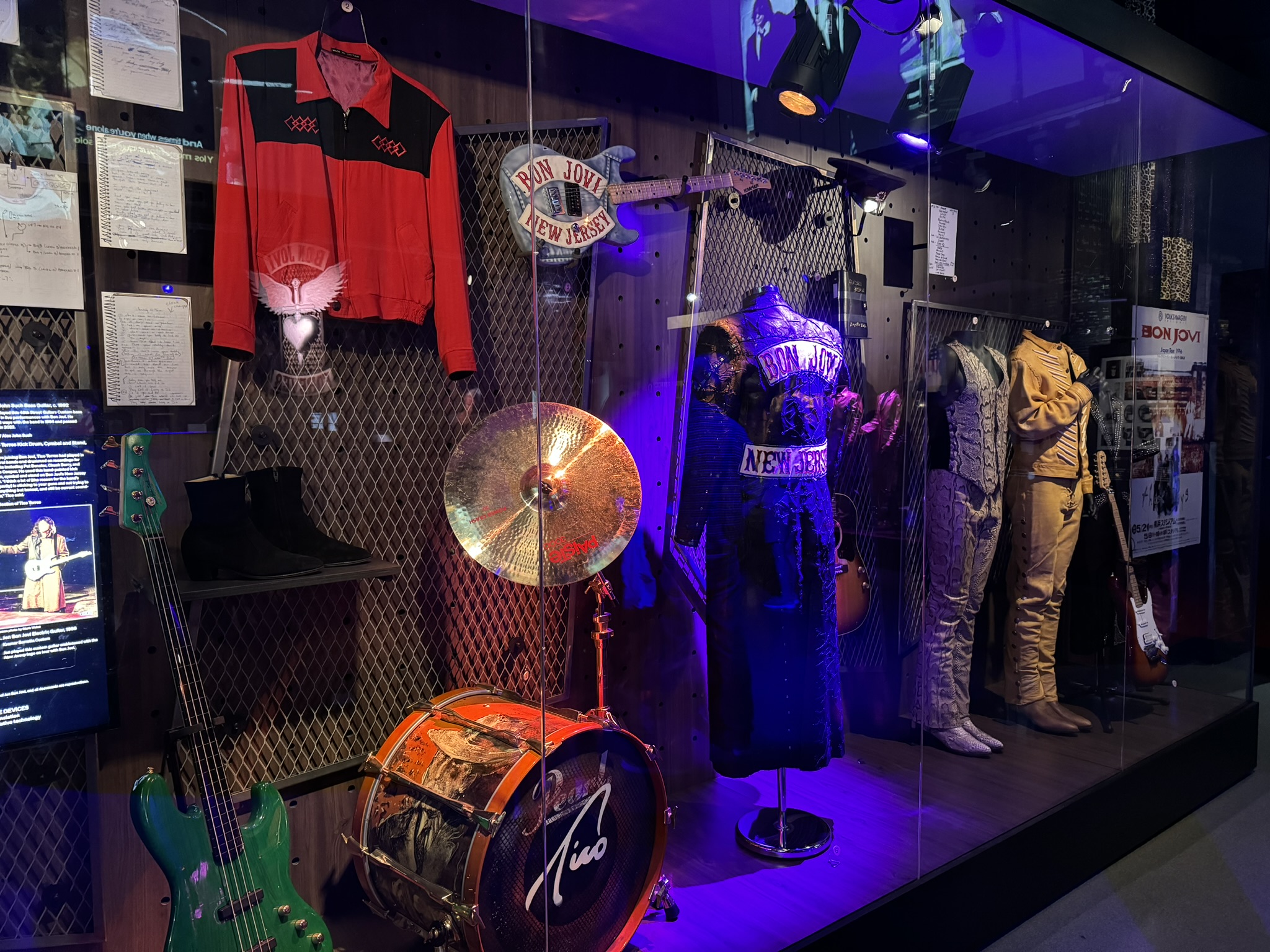
Level 6 is devoted to an exclusive exhibit that Bon Jovi unveiled with the museum in 2018. This full-floor showcase spans four decades of the band’s career along with never-before-seen artifacts from each of the band members. Visitors are immersed in the band’s story and music from inception to the present. Huge video presentations are joined by text panels and display cases filled with musical instruments, clothing, and loads of memorabilia from the band.

Rock & Roll Hall of Fame, Cleveland, OH

Organizations like the Rock & Roll Hall of Fame that establish themselves as authorities of a particular subject area all have one thing in common. They always stir up controversy, mostly about who or what is included, but more contentiously, excluded from their lists. This museum obviously recognizes this dilemma and even seeks to address it by allowing visitors to submit names of performers or bands they think should be inducted into the Hall of Fame. Many writers over the years have discussed this topic, and some of them have challenged the Hall of Fame on its choices of inductees through the decades. One of the most ironic exclusions is Huey Lewis and the News, the band that had a major hit with “The Heart of Rock & Roll,” which actually mentions Cleveland at the very end of the song!

Rock & Roll Hall of Fame, Cleveland, OH

I certainly had my share of questions come to mind as we strolled through each level of the museum. I was disappointed to see how much more space and almost reverential attention was given to Elvis Presley on one wall, while on the opposite wall a smaller display featured Chuck Berry, often considered the Father of Rock & Roll. I think those two positions should have been swapped. One of my favorite wall displays was for Jimi Hendrix, probably the greatest guitarist in rock history. I was baffled to learn that bands with place names such as Chicago were inducted fairly late in the game and that the bands Kansas and Boston still haven’t made it. At the same time, I was delighted to see so much attention given to Wanda Jackson, an Oklahoma native who got her start on ABC Television’s “Ozark Jubilee” broadcast out of Springfield, Missouri from 1955 to 1960. She later became known as the Queen of Rockabilly, a title she still holds to this day. As of this post date, she is still with us.

Rock & Roll Hall of Fame, Cleveland, OH

We were able to pack a lot in just two full days while still having some down time walking along the shore of Lake Erie, enjoying some great meals and drinks, and exploring the public spaces on the water around the Hall of Fame. On top of all that, we were lucky enough to catch Hootie and the Blowfish back together again for a national tour. Oh, and their opening acts were Edwin McClain and Collective Soul. For people who love rock music, it just doesn’t get much better than our quick trip to Cleveland.

Hootie and the Blowfish at Blossom Music Center (Ohio)

The Wow Factor of Niagara Falls

I have written several posts about waterfalls because they are among my most favorite elements of nature. I have driven, hiked, and climbed on many occasions to reach them. I have seen everything from little trickles of water falling from rocky ridges in the mountains of Appalachia to white misty veils crashing from great heights at Yosemite, Yellowstone, and the Columbia River Valley. I have been mesmerized by all of them.

When my wife and I had an unexpected opportunity to visit Niagara Falls as a result of being in Erie, Pennsylvania, we both agreed it would be worth the two-hour drive around the Lake Erie coast to see this iconic natural wonder. Like the Grand Canyon and so many other magnificent landmarks around the world, photographs and videos simply cannot capture the grandeur of something so massive and powerful. Seeing the scope of the falls, hearing it, feeling the moist air and spray on your face, and even feeling the rumble of the crashing water is impossible to replicate electronically.

Niagara Falls, American side (left) and Horseshoe Falls (background)

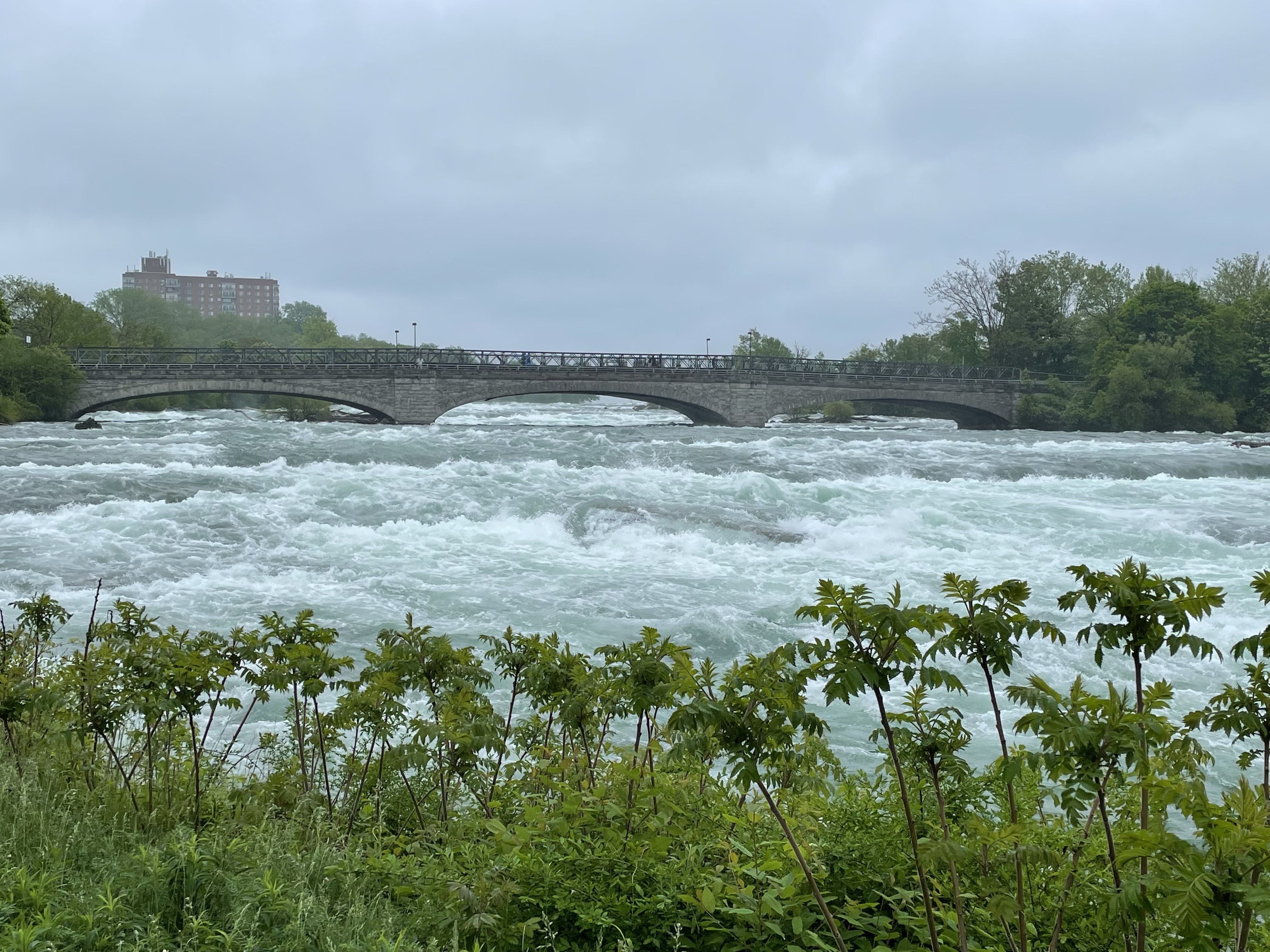
With almost 76,000 gallons of water pouring over the edge of the American falls every second, the volume is quite hard to imagine. Yes, that’s over 4.5 million gallons a minute! The water is about two feet deep at the crestline, which gives the edge of the falls a deep emerald hue. It is stunning. The deepest section of the Niagara River is just below the falls. It is so deep that it equals the height of the falls above, which is 170 feet. Upstream from the falls between its northeastern banks and Green Island, the Niagara River rumbles and rolls as it makes its way to the main attraction.

Pedestrian bridge over Niagara River

Niagara Falls has never been on our bucket list of places to visit, mainly because it seemed too much like a tourist trap. However, we were pleasantly surprised. There are plenty of chain restaurants, souvenir shops, and other retail vendors nearby, but the American side of the falls is bordered by a state park that makes no attempt to outshine the headliner. The Canadian side is full of high-rise hotels and some casinos, which is probably an enticement to cross the border for some visitors. We were perfectly content with the marvelous wonder of Niagara Falls with very few distractions. If you can stand on the observation deck beholding that vista and not say “wow,” I’m not sure what would impress you.

Museum of the Cherokee Indian

My mother loved Indians. More accurately, she loved the traditional characterization of the Indians in American arts and crafts. It was a romantic view of the people who were inhabiting North America when Europeans began to migrate west and “settle” on the continent. My mother was not interested in bows and arrows, spears, or war paint. She collected inexpensive artwork (prints, plates, figurines, etc.) featuring lovely brown-skinned people in traditional Indian attire as they were portrayed by Hollywood, for the most part. I would be the last to criticize her taste because some of the pieces she decorated our house with were indeed beautiful. She probably didn’t know much about the history of the numerous nations and tribes that were scattered all across North America, and she didn’t need to in order to appreciate her image of the Indian.

When I was young, one of our family’s favorite vacation spots was Gatlinburg, Tennessee, a tourist mecca in the Great Smoky Mountains with attractions, miniature golf, sky-lifts, and shops selling everything from taffy to stuffed black bears. To get to Gatlingburg, we had to go through the smaller town of Cherokee, North Carolina, which is also the home of the Eastern Band of the Cherokee Nation. We always stopped in Cherokee because, in the 1960s, it was a place of wonder where local residents used about the only thing they had, their history and heritage, as a way to scrape out a living. The town had live bears wasting away in cages, shops filled with Chinese-manufactured Indian souvenirs, and the occasional celebrity walking around the town to be photographed with visitors. I had my picture taken with Jon Provost, whose name probably means nothing to most folks today, but to a young lad in the late 1960s, he was an almost grown-up version of a television hero: Timmy Martin, the boy who had a dog named Lassie.

I also remember that, along the roadside passing through Cherokee, there would always be local men, young and old, dressed up like Hollywood Indians. They wore leather loincloths and moccasins, were often shirtless, had their faces decorated with paint, and usually had full feather headdresses (for the record, the Cherokee traditionally did not wear full feather headdresses at all). Vacationers were expected to pay them for a photograph, and looking back, I can only hope that this type of enterprise was not their only source of income, although it certainly may have been. The town of Cherokee today still has a vestige of the tourist trap atmosphere of the mid-20th century, but much of the most deplorable exploitation I remember from my childhood is gone. Some would argue what has taken its place is just as bad. The tribe owns a fairly large casino resort in Cherokee operated by Caesars Entertainment under the brand Harrah’s. The Eastern Cherokee do not live on a reservation, which is defined as land given by the federal government to a tribe. They own 57,000 acres of land which they bought in the 1800s and which is now owned by them but held in trust by the federal government.

There is an attraction in Cherokee that has moved away from the trappings of my childhood memories and beyond my mother’s fantasies of the “noble savage.” It is a temporary refuge from the slot machines, the gift shops, and the traffic. The Museum of the Cherokee Indian offers a cultural and historical overview of the people of the southern Appalachian Mountains going back 13,000 years. Contrary to popular opinion about appropriate nomenclature, it is actually more acceptable and accurate to use the term “American Indians” than “Native Americans” when referring to the tribes that occupied the western hemisphere before European exploration began. Combining interactive video with intriguing displays, the museum invites visitors to take a self-guided tour complete with computer-generated imagery, special effects, and an extensive artifact collection.

Museum of the Cherokee Indian

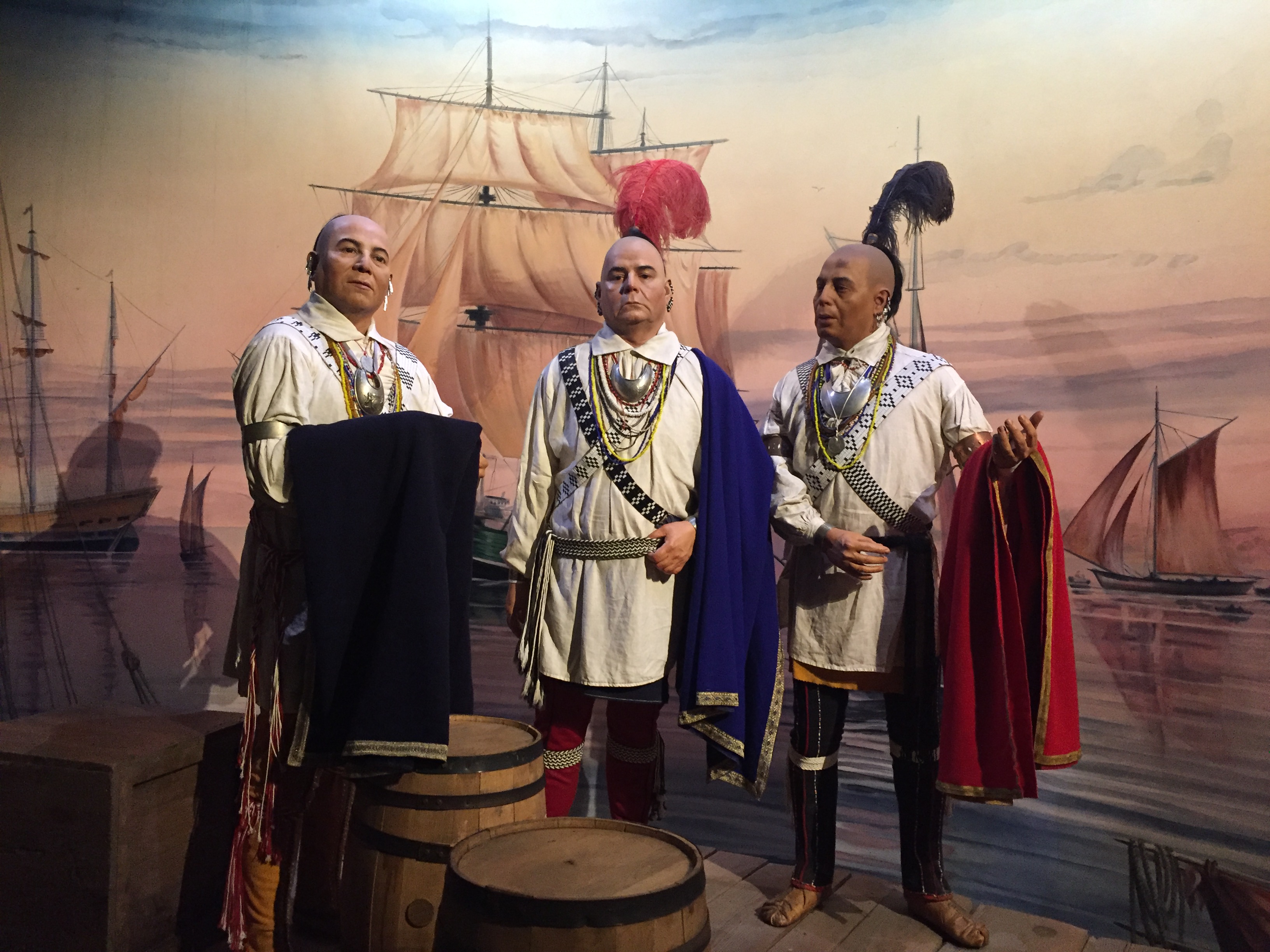
The museum’s interpretation is divided into two permanent exhibits: “Story of the Cherokee” and “Emissaries of Peace.” The first exhibit follows the history of the Cherokee from the early origins when mastodons roamed the region, through the Woodland and Mississippian periods, contact with Old World explorers and conquerors, the tragic Trail of Tears removal, and up to the present day.  The second exhibit tells the story of Henry Timberlake’s visit to the Cherokees in 1762, and how he took Cherokee leaders to London to meet with King George III. These narratives are told through animation, audio-visual presentations, life-sized figures, artwork, and priceless artifacts.

Museum of the Cherokee Indian

The Museum of the Cherokee Indian is not a tourist trap designed only for entertainment or to perpetuate stereotypes about Indians portrayed in early motion pictures. It is managed by knowledgeable professionals who care about the Cherokee people’s heritage and dignity as an independent tribe. The executive director, James “Bo” Taylor, earned a degree in anthropology with a minor in Cherokee Studies from Western Carolina University. He has learned the Cherokee dances, which he performs regularly, and can read and write the Cherokee language. Taylor also teaches the Cherokee language in intensive ten-day immersion classes. The museum’s education director, Dr. Barbara R. Duncan, earned her Ph.D. in Folklore and Folklife from the University of Pennsylvania in 1982 and has lived in the southern Appalachian Mountains since 1983. She has written and edited award-winning books about Cherokee history and culture, including Living Stories of the Cherokee and Cherokee Heritage Trails Guidebook (with co-author Brett Riggs).

Museum of the Cherokee Indian

In addition to exhibits, the museum offers workshops, performances, guided tours of the region, publications, and classes. The museum archives is a repository of thousands of books, photographs, manuscripts, personal papers, and digital collections, all of which are accessible to museum members and qualified scholars. Visitors to the museum can spend an hour or two strolling through the halls, or a day or two becoming completely immersed in the displays and collections. This facility is a real treasure and not to be missed by those who are truly interested in the story of the Cherokee Indians, or as they originally called themselves, Aniyunwiya, “the principal people.” Enjoy the casino, but take a break from the tables and check out the Museum of the Cherokee Indian, and make sure to use part of your winnings to purchase a souvenir from the museum’s gift shop.

A Valuable and Valued Experience

In recent years, the literature about travel has been focusing on the importance of creating or taking advantage of experiences rather than seeking the traditional rewards such as entertainment or relaxation.  Of course, how we define a memorable experience is all over the board.  Foodies may be looking for something much different than hikers, and history buffs may not appreciate the same experience that is meaningful to a photographer or painter.  Then again, there may be significant overlap.  In any case, if we want to learn as much as we can about a destination while we are there, we have to be willing to invest.  We have to spend time doing some research before we ever leave home, but even so, that preparation may not be enough in some cases to get a true appreciation for what we are seeing, hearing, smelling, and touching.

If we want to make sure we are doing the best we possibly can with our financial investments, we seek the advice of an expert.  If we want to take full advantage of the time we have to exercise and stay fit, we may pay a trainer or an instructor.  We may also pay teachers to help us learn particular skills or develop our hobbies.  And, there are times when it makes sense to pay someone to ensure that our travel experience is as rich as it can possibly be.  Yes, travel agents come to mind, but web-based services have almost made this profession obsolete, although they do still offer a valuable service for many individuals and groups.  I’m thinking of a service that is a bit more, well, personal.  On several occasions, we have paid to have a guide at special places of interest.  Some places are just impossible to completely enjoy even with such assistance because of poor crowd control, cheap audio equipment, or an inexperienced guide.  The Vatican Museum comes to mind — they pack way too many people in at a time, and it becomes a real challenge just to stay with your guided group.

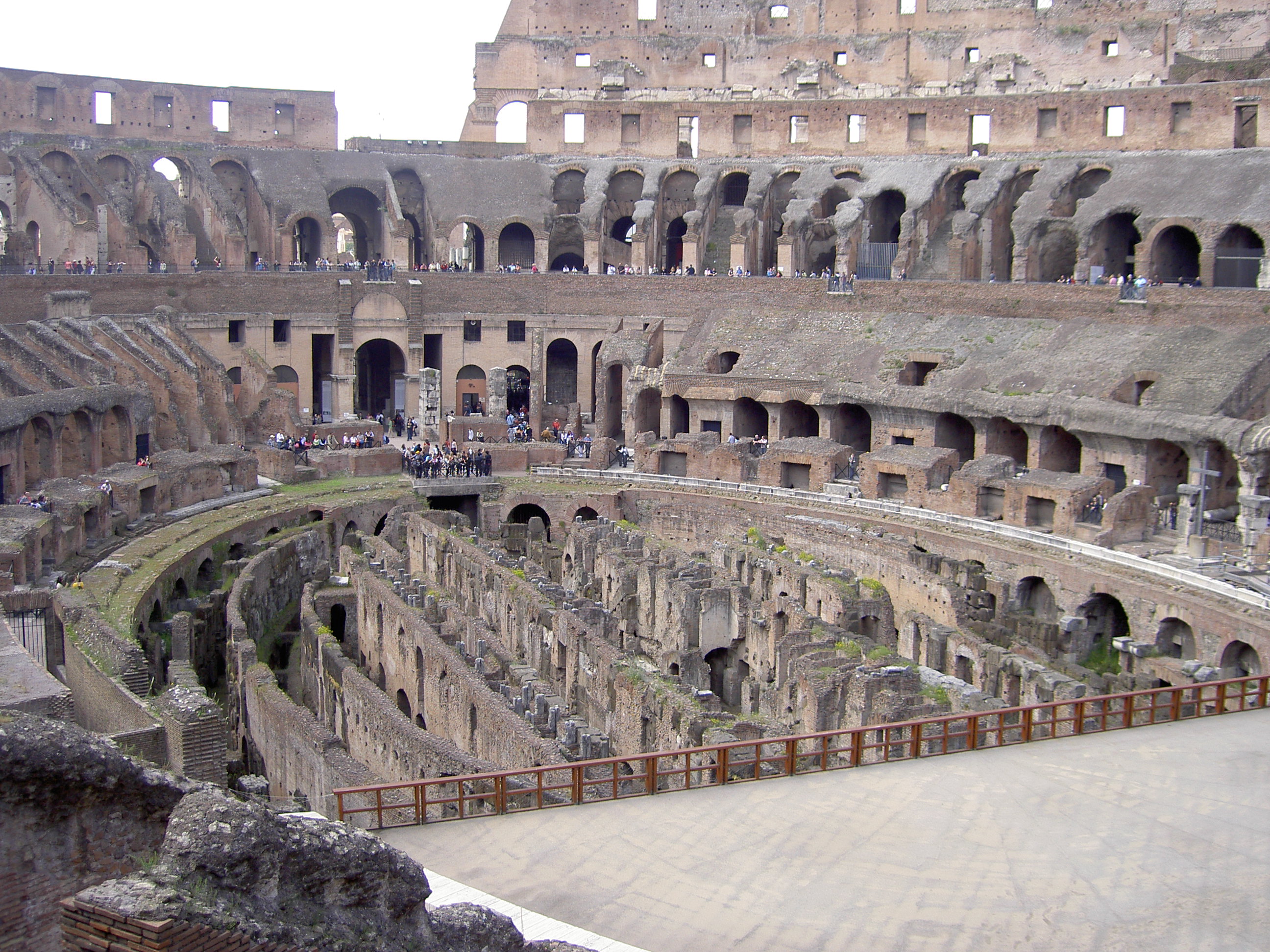
For the most part, we have been very pleased with the guides we have had and felt that this investment provided us with a deeper appreciation for what we were seeing.  The two best examples that come to mind of where guides were invaluable to us are the Colosseum and Forum in Rome and Versailles Palace outside Paris.  In Rome it would be almost impossible in a short time to see the most historically-significant parts of the Colosseum and the Forum without an experienced guide.  I don’t remember her name, but our guide’s knowledge of these two attractions was certainly impressive.  We hired her for an individual tour, which was not cheap but worth every Euro.  She was able to answer in detail each question we asked.  She spoke fluent English.  She had a sense of humor without being silly.  She took us on a walking tour, and she managed to cover essential ground, literally and figuratively, while also adding interesting anecdotes, myths, and fascinating details.  It was such a rich experience.

Colosseum in Rome
Colosseum in Rome


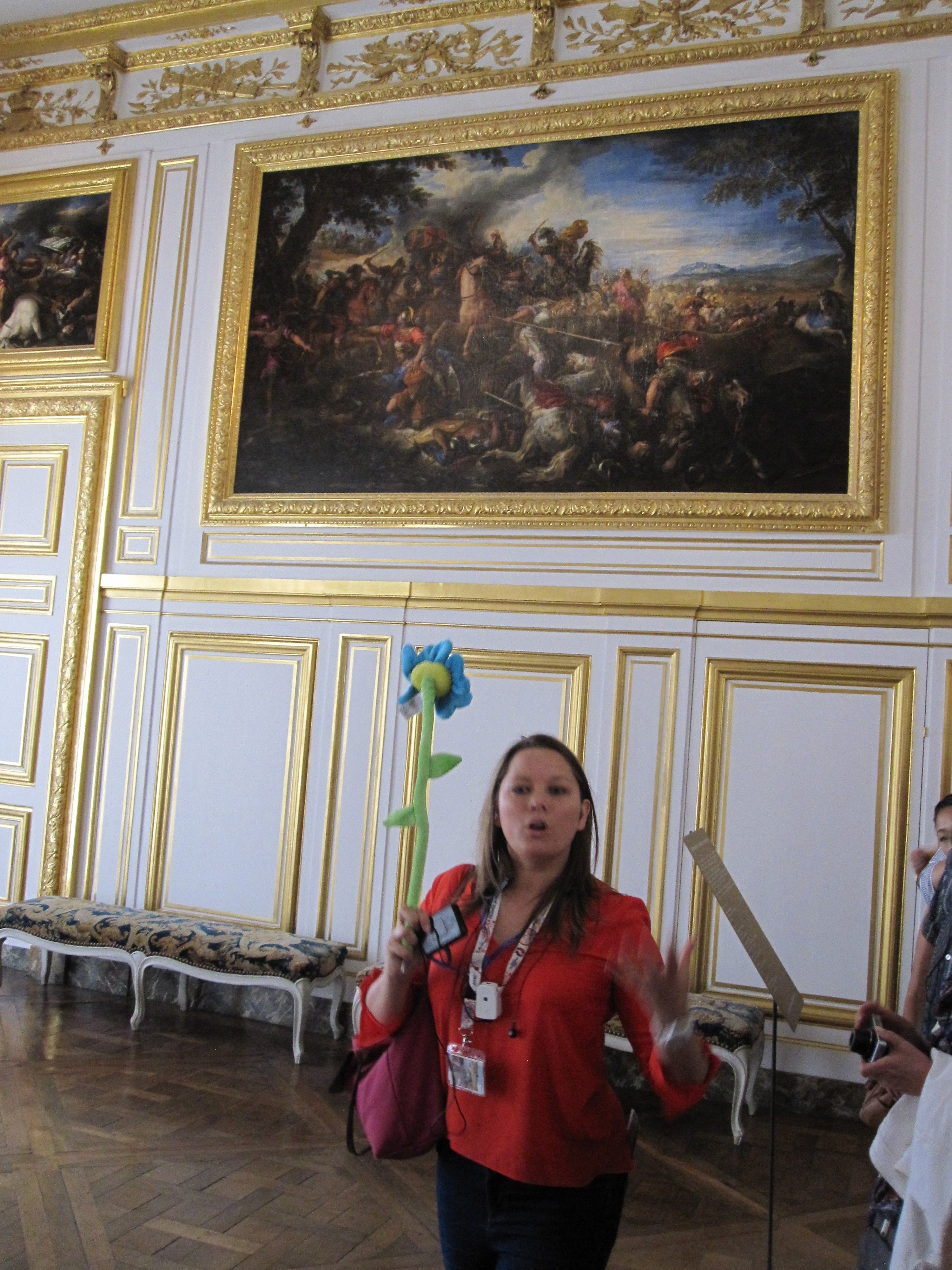
The Palace at Versailles is a short 30 minute train ride to the west of Paris and well worth the time and effort to get there.  Because the Palace is so huge and we only had about four hours to spend there, we decided to pay for a guided tour.  This time, we were part of a group.  We still had bad memories of being shuffled through the Vatican Museum, shoulder to shoulder, like cows being herded to the slaughter.  We were prepared for the worst at Versailles.  Pauline was our host, and we could not have been more pleased.  She met our group at a building where tickets are sold about three blocks from the entrance to the Palace grounds.  She held in her hand a brightly-colored cloth blue flower on a tall green stalk, which she held up high enough for everyone to see to make following her a bit easier.  As is usually the case with guided tours, Pauline was able to bypass the longer general admission line and get us in the Palace promptly, which is almost worth the price of the tour alone.

Pauline distributed our audio headsets shortly after we entered the Palace and tested them all.  The technology was much better this time than when we were at the Vatican Museum, and our ear phones allowed us to hear every word she said.  Taking us through each of the rooms of the Palace that are open to visitors, Pauline not only explained the significance of the rooms, but she was always careful and creative about weaving the information back into her chronological theme of the royal families that resided at the Palace.  Her approach was similar to that of a school teacher, asking questions from the group and using responses to deliver her narrative.  She managed to do so without dumbing down the story so that people of all ages and education levels could appreciate the tour.  She was really talented.  Another skill Pauline exhibited was aggressiveness.  There are always rude people in museums who will insist on edging their way in front of others to get a better view or to take a photograph, or even worse, the obligatory selfie.  Incidentally, selfie sticks are prohibited in the Versailles Palace and in many museums and galleries in Paris, thank goodness.  When our group encountered anyone attempting to push in front of us at the railings while Pauline was talking to us, she would quickly and firmly say, “Excuse me, this is a group tour, would you please step aside?  Thank you!”  It worked every time.

Pauline at Versailles
Pauline, our guide at Versailles

Traveling is a luxury that many people cannot afford, which is unfortunate.  However, there are ways to make tourism more affordable.  There is a considerable range of prices for transportation, lodging, meals, attractions, and incidentals.  It usually makes sense to pay for many services in advance, including admission.  The Paris Pass is highly recommended for visitors to the city who plan to be there a few days and want to see multiple museums and galleries.  Other major cities have similar deals, and they are definitely worth considering.  Most of the time, we don’t feel a need to have a personal guide or to even join a group tour, both of which can be expensive.  We tend to like the freedom of seeing what interests us most and skipping the rest, which is practically impossible with a guided tour.  But there are times when having a knowledgeable narrator can provide that memorable and meaningful experience that so many travelers seek.

Deciding Where To Stay

A significant part of the expense of traveling is the cost of lodging, especially if you are in a large city or a popular destination.  It really is worth the time and effort to find a place that suits your needs and fulfills your expectations.  Sometimes hotels are the best option, especially if you are staying for only a night or two.  There are times when the hotel itself may be what attracted you in the first place, which was the case when my wife and I decided to spend our most recent anniversary weekend at the luxurious Four Seasons Hotel in Atlanta.  We looked forward to having dinner in the hotel’s restaurant, hanging out in the bar, and relaxing in a plush bed covered in sheets that, in retrospect, must have been imported from Turkey.  We also stayed in an over-the-top place when we visited Carmel, California.  The name would suggest a cheesy roadside motor lodge, but our room at Tickle Pink Inn had a small balcony looking out over the rocky cliffs of the Pacific and was equipped with a canopy bed and word-burning fireplace.  It was incredible, even for the one night we were there.  We don’t usually splurge like that, but in both cases, the experience was worth the extra money.  And, the experience is what we’re really after when we travel.

If your travels take you to major cultural centers, such as large cities or places of historical significance, then I suggest skipping the hotels and seeking out accommodations that will permit you to be immersed in the locale.  This option is especially preferable if you plan to stay for more than two nights.  It would appear that more travelers are embracing this idea with the rapid rise in popularity of Airbnb, VRBO, and many other agencies that provide listings of homes, apartments, villas, condos, and cabins for rent.  If you want a taste of what it is like to live in a particular place, then staying in a neighborhood or borough or barrio among the people who do actually live there is the best choice, especially if you are in an area where the language and customs are quite different from your own.  Shopping in local markets, eating in nearby cafes, strolling the streets and the parks, and taking in the local entertainment affords you the opportunity to get more integrated with the surroundings, to embrace your temporary milieu.

On our recent trip to Paris, my wife and I stayed in a lovely studio apartment in Le Marais, a trendy historic district that spreads across parts of the 3rd and 4th arrondissements.  The area was in terrible shape by the 1950s but was revitalized in the 1960s and is now the section of the city known for a high concentration of Jewish residents and also of gay and lesbian Parisians. It also hosts some of the most popular small, independent clothing and fashion shops in Paris.  We found out about this particular apartment from a friend in the states who had stayed there the previous summer and loved it.  So did we.  Our fourth-floor room was tucked away in a collection of early twentieth-century buildings between a busy thoroughfare and a side street about two blocks from the right bank of the Seine River.  The first floors of several of the buildings housed offices that looked out to a lovely courtyard, and the whole complex was somewhat secured by combination-code locked gates.  One of the entrances was less than fifty yards from a Metro station, which was most convenient.  Our apartment had a fair-sized bathroom and a small kitchen in addition to a spacious (by European standards) bedroom/sitting area.  It was accessible by a circular wooden staircase that wound its way around an elevator shaft with a car just large enough for two people with healthy BMI frames — it was tiny by American standards but typical for Paris.  The only times we used the elevator were to haul our luggage up when we arrived and back down when we departed.

Apartment complex courtyard

We walked to one of the local markets as soon as we got settled into our apartment and bought all the provisions we would need for the five days we were staying in Paris.  That grocery shopping experience alone is worth another blog entry — a human comedy.  We walked to local bistros several nights that were quaint and wonderful.  We had breakfast almost every morning at a little bakery just a quick walk down the street.  The chocolate-banana pastries were like edible heaven.  We were within easy walking distance of the Seine, Notre Dame, and several museums, including the Picasso Museum and the Bastille.  On our last morning in Paris we strolled down to the Seine and walked up and down the banks of the river.  Other than the shopkeepers and other people who provided us with assistance, I don’t think we ever heard a single word of English while we were in the neighborhood where we were staying, which is such an important part of the experience of traveling to a foreign country.  From the window of our room we could hear people talking and laughing at the café four floors below our windows.  We could hear children playing on the sidewalks.  We could hear people going to and coming home from work or school.  For a brief time, we almost felt like Parisians — well, a little.  Do yourself a favor.  On your next trip, find a place to stay in a great neighborhood and soak up the atmosphere you find there.

Views from our windows in Paris