I Still Love the Classic Christmas Specials

They started appearing on our television during the first hour of prime time, usually beginning in early December and lasting until a few days before Christmas. They were advertised heavily because they were only aired once a year. They were typically thirty minutes long, but a few stretched out for an hour. Some were fully animated in the Disneyesque style, but the oldest one was actually a puppet based production using a technic called stop motion animation. These timeless Christmas specials, broadcast every year during my formative years in the 1960s, were as important in heralding in the holiday season as the Macy’s Thanksgiving Day Parade and the Norelco commercial featuring Santa completely airborne before sliding into a village on an electric shaver. Some of my earliest Christmas memories involve making sure my homework and chores were all finished by 8:00 p.m. so I could plop on the floor in front of a television the size of a modern compact car to watch these simple but wonderful programs, in living color, no less.

“Rudolph the Red-Nosed Reindeer” was probably my favorite television Christmas special and happens to be the longest running of its kind in history, dating back to 1964. It was a groundbreaking production, introducing the stop motion animation mentioned earlier and the use of a recently invented LED light bulb capable of emitting visible red light, Rudolph’s incredible nose, of course. Sponsored by General Electric, the show was the brainchild of filmmaker Arthur Rankin, Jr., who went on to produce several other classic Christmas specials. With a cast of characters including Rudolph, Hermey, Yukon Cornelius, Bumble (the Abominable Snowman), and Santa Claus, the show came to life at the hands of Tadahito Mochinaga, a Japanese filmmaker inspired by Disney’s Mickey Mouse who invented the special type of animation used in the program. I can still remember feeling so sorry for the misfits of this story, from Rudolph and the dysfunctional unwanted toys to the poor elf whose dream was to become a dentist. Critics have argued that the story and the song written by Robert May and Johnny Marks on which the show is based are plagued by troubling ethical issues, but that was not my interpretation at all. I thought “Rudolph the Red-Nosed Reindeer” was a delightful morality tale about diversity, inclusion, and empathy. God knows we could use a little more of all of that these days.

"Rudolph the Red-Nosed Reindeer"
“Rudolph the Red-Nosed Reindeer”

A close second Christmas special for me was the 1966 fully animated “How the Grinch Stole Christmas,” based on the children’s book with the same title by Dr. Seuss. Featuring the unmistakable voice of Boris Karloff as the Grinch, this is another one of those classics that is still running each season on network television. Like most of these television specials, this book and show were designed to teach children of all ages an important lesson: the joy of Christmas doesn’t come from material things but from community and love for one another. I certainly received that message as a child, but what I remember most about the show was the incredibly creative and hilarious song, “You’re a Mean One, Mr. Grinch,” with lyrics by Dr. Seuss, musical composition by Albert Hague, and performance by Thurl Ravenscroft, best known for the voice of Kellogg’s Frosted Flakes hero, Tony the Tiger – “They’re GREAT!” Every year in early December on Facebook, I post a few lines from this memorable song to help usher in the Christmas season for my Friends.

"How the Grinch Stole Christmas" (photo credit: Common Media)
“How the Grinch Stole Christmas” (photo credit: Common Media)

Third in line is another fully animated production by Arthur Rankin, Jr. “Frosty the Snowman” first aired in 1969 and has been a Christmas standard every year since. It features the recognizable narrative voice of Jimmy Durante and was his final film role. It also includes the unique voices of Billy De Wolfe as the selfish Professor Hinkle and comic actor Jackie Vernon as Frosty. One point of trivia about the animation is the fact that the narrator’s and Hinkle’s characters were drawn to look like their real-life counterpart actors. Once again, here is another Christmas special adapted from a song, which was written by Jack Rollins and Steve Nelson and first recorded by Gene Autry and the Cass County Boys in 1950 and later recorded by Jimmy Durante that same year. By the end of the show, we all know that greediness doesn’t pay and that there is a certain magic associated with Christmastime.

"Frosty the Snowman" (Photo credit: TV Guide)
“Frosty the Snowman” (Photo credit: TV Guide)

My final favorite is likely at the top of many viewers’ lists and is perhaps quoted more than all the others combined. The fully animated 1965 production of “A Charlie Brown Christmas” features all the most familiar characters from the imagination of Charles Schulz and his long-running Peanuts comic strip. In addition to its memorable lines and scenes, the special also includes a very fine soundtrack by American jazz pianist Vince Guaraldi. The show received both Emmy and Peabody awards and is firmly implanted in holiday memories of millions of Americans. After all, who hasn’t looked at a pathetic Christmas tree and dubbed it a “Charlie Brown tree?” Like the lesson the Grinch learned, the Peanuts kids teach us that the true meaning of Christmas is about love, respect, and friendship.

"A Charlie Brown Christmas" (Photo credit: Wikipedia)
“A Charlie Brown Christmas” (Photo credit: Wikipedia)


Songs of the Ozarks

I have posted about the rich music tradition that exists in the area around Springfield, Missouri, which is in a region of the country called the Ozarks (a moniker that can be both singular or plural – trust me on this one). Primarily located in southern Missouri and northern Arkansas, the Ozarks is characterized by rolling hills, deep hollows, caves, springs, plentiful rivers and streams, steep rocky bluffs, lush vegetation, and rich cultural traditions that can be traced back to Appalachia and further back to Scotland, Ireland, and even Germany. A major hallmark of Ozarks culture is a type of folk music handed down over many generations, a genre that is often referred to in the region as “Old Time” music. Dominant instruments include fiddle, banjo, mandolin, upright bass, and acoustic guitar. There are definite similarities to Bluegrass music, although purists will argue about distinct differences that exist between the genres and even marked variations in style within “Old Time” music according to location within the Ozarks, especially with fiddle playing.

Stringed instruments

The traditional Ozarks music may be old, but it is far from dead. There are plenty of bands and ensembles performing tunes that date back to the 19th century, and there are locations throughout the Ozarks that host regular jam sessions where musicians gather to play. One of the oldest is at a former general store in McClurg, a small crossroads in Taney County, Missouri. This weekly jam and potluck supper is hosted by the current owner of the venue, Tom Peters, who is the former Dean of Libraries at Missouri State University in Springfield and was my direct supervisor before we both retired at the end of 2024. One of the most encouraging aspects of Ozarks jam sessions and performances is how often young players in their teens and early 20s are participating. A new generation of “Old Time” musicians is carrying the tradition into the future.

McClurg Jam- photo by Kevin Cole

The Ozarks is a large geographic region that even stretches west to encompass small segments of Oklahoma and Kansas and east to include a sliver of Illinois (this is a contentious topic among Ozarkers, who tend to be quite opinionated about the boundaries of the area). Most of the Ozarks is rural, with small towns and villages scattered among the hills and plateaus. There are centers of larger population, such as Fayetteville, Arkansas, home of the state’s flagship university. In Missouri there are larger towns like West Plains, Rolla, Joplin, and Branson. The largest metropolitan area in the Ozarks is Springfield, Missouri. Naturally, there is considerable diversity in musical interest throughout the region, with an emphasis on “Old Time,” gospel, Bluegrass, and country in the rural areas. These genres are also popular in the population centers, along with folk, Americana, rock, pop, jazz, and little bit of everything else. Chappell Roan, one of the country’s latest sensational pop stars, is from Willard, Missouri, a suburb of Springfield.

Ozarks map by Curtis J. Copeland

Promoting and preserving the music of the Ozarks are admirable endeavors, and I am proud to have been involved in such efforts while I was working at the university. I conducted interviews of musicians and vocalists and edited videos of interviews and performances, all of which were featured on the university library’s YouTube channel. Our team explored a variety of music-related topics that are available to watch or listen to on this channel: past and present live music venues along historic Route 66 that crosses the Missouri Ozarks; African-American musical influences in the region; “Ozark Jubilee,” the nationally-televised country music variety show that was broadcast in Springfield from 1955 to 1960; the Gordon McCann folk music collection; and the Max Hunter collection.

Missouri State University Library in Springfield, MO

One of the playlists on the library’s YouTube channel is titled “Songs of the Ozarks,” which was part of the university’s scholarly content associated with its participation in the 2023 Smithsonian Institution’s Folklife Festival. The festival featured the history and culture of the Ozarks region, presented in part by the university, on the National Mall in Washington, D.C. The playlist includes 43 videos of musicians, vocalists, songwriters, bands, and ensembles who are active in the Ozarks region. The interviews and performances were conducted and recorded by Emalee Flatness-Combs, a musician, singer, and songwriter based in the Ozarks who is also an alumna of Missouri State University. The genres covered in this collection include “Old Time,” folk, Bluegrass, country, cowboy, gospel, Americana, rock, and pop.

The following is a sampling of the musical acts included in the “Songs of the Ozarks” playlist.

  • Randall Chowning – a founder, one of the lead vocalists, and the lead guitarist of the Ozark Mountain Daredevils, a rock band formed in 1972 in Springfield.
  • John Fullerton – “Cowboy John,” a member of the legendary Sons of the Pioneers who has appeared with a wide range of celebrities including Roy Rogers Jr. and the High Riders, Three Trails West, Miss Devon & the Outlaw, and Riders in the Sky.
  • David Scrivner – a lifelong “Old Time” fiddle player and student of the great Missouri fiddler, Bob Holt; Scrivner won the Arkansas State Fiddle Contest in 2019 and plays fiddle regularly at the McClurg jam.
  • Sylamore Special – an award-winning Bluegrass band based out of northwest Arkansas that came together in 2021 and have played numerous times at Silver Dollar City amusement park in Branson, Missouri, and also at the Arkansas Country Music Awards.
  • David Warren – an accomplished Bluegrass musician and jig dancer who played several years with ensembles including the Bluegrass Buck Jumpers and the Bressler Brothers.
  • Pam Setser – a musician, singer, and songwriter whose career spans decades and has brought her in touch with music legends from Merle Haggard to Doc Watson and Maybelle Carter; she has performed on “Hee Haw” and has been on stage with Grandpa and Ramona Jones, The Whites, and Joni Bishop.
Sylamore Special performing at the 2023 Smithsonian Folklife Festival

There is a rich tradition of music in the Ozarks going back more than 150 years, and so much of that legacy lives on today throughout the region. There is also a lasting influence of indigenous music from tribes that inhabited the Ozarks for many generations before European settlers migrated into the area. And beginning in the late 20th century, new musical and dance styles were introduced as refugee and immigrant populations from around the world began taking up permanent residence in the Ozarks. The musical landscape is constantly changing in the Ozarks, but fortunately so far, the newcomers are not displacing the old standards. Cultural diversity is a treasure to be valued, and the Ozarks is blessed with an abundance of it.

Original Songs, Volume One

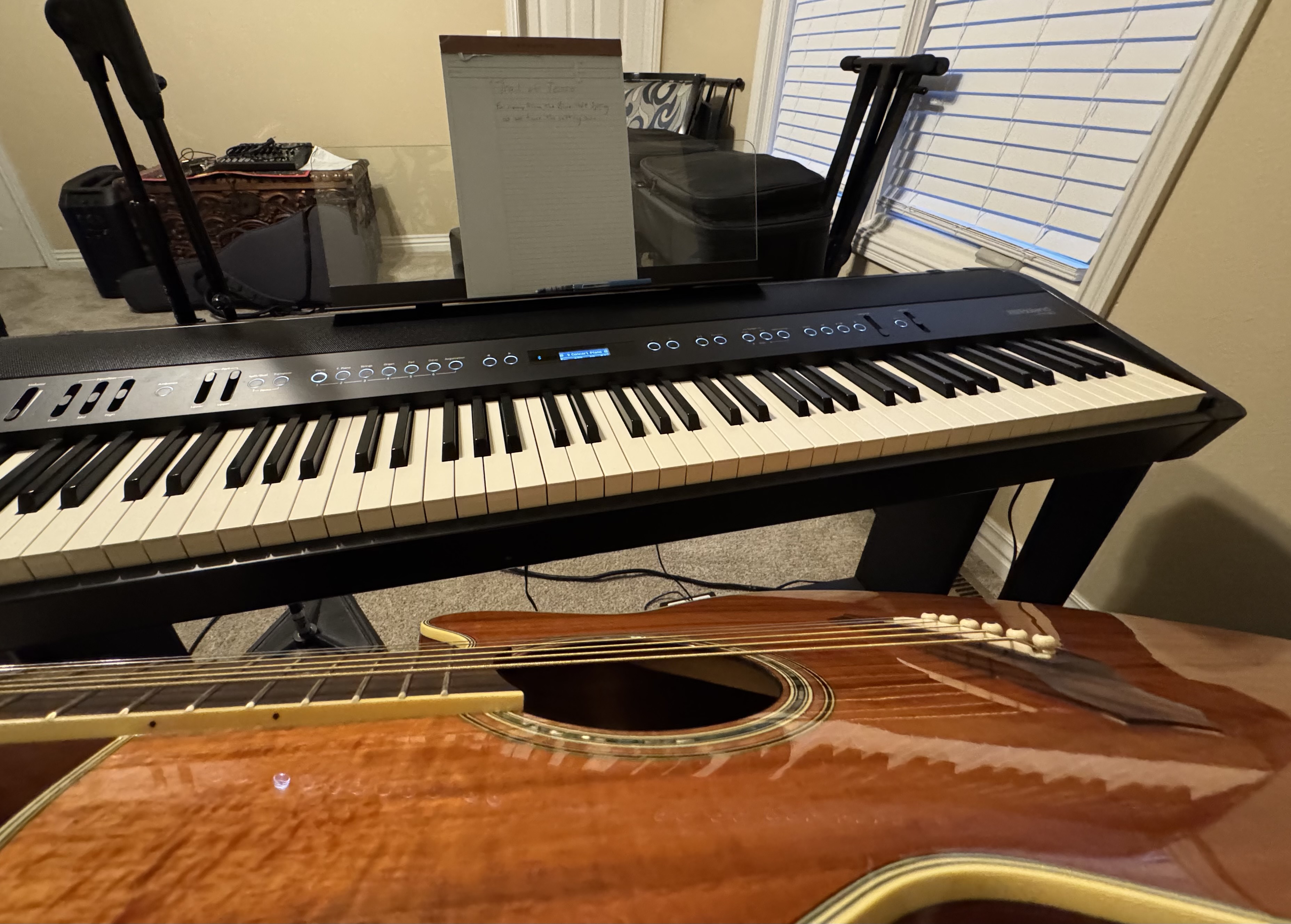
Guitar and keyboard
Guitar and keyboard

As an amateur musician who started playing the guitar in my teens in the early 1970s, I was influenced by the singer/songwriter wave that swept popular music during that time, especially with folks like John Denver and James Taylor. I wanted to write my own songs, to create music that expressed my thoughts and emotions. I am not a prolific songwriter by any means. I have friends who are much younger than I am who have written dozens, if not hundreds of songs. I am lucky if I push out a couple in five years. I have to catch some type of inspiration to make tunes and lyrics come together. I have written many more melodies than lyrics, so when the two merge into a song, I always feel a sense of accomplishment. I’m grateful when it happens.

The following is a list of my original songs that I think are worth keeping and occasionally performing at my solo shows. They span a period of roughly 45 years. Most of them were composed on the guitar, but a few of them came to me on the keyboard. I will try to place them in chronological order, but I may miss the order on one or two. I have written posts in this blog on several of them individually where I included the lyrics and links to performances. Some of them have been copyrighted with the Library of Congress.

Samples of my songs and studio recordings of several originals are posted on the music playlist of my YouTube channel at https://www.youtube.com/playlist?list=PL74BhqvI0f_6J2yedZde9Ldhp76h53JFH

“Skipper” – Perhaps my most cerebral song was one of my first attempts just after high school, sometime around 1979. It has some interesting chord and key changes that produce a rather ethereal atmosphere. I always thought this was just a ballad about a young sailor learning from his skipper how to handle a ship in a storm; however, the older I get the more I realize it is an analogy for any mentor-apprentice relationship, or perhaps a father-son dynamic. Some would argue it could have a religious undercurrent. I think it is one of the best songs I have ever written, and I still perform it from time to time.

“Missing You” – I wrote this not-so-original song around 1981 while I was at college away from home and close friends, modeling it after several popular tunes from the period written from the perspective of a touring musician who is missing the woman he loves. It has a pop country sound, and it goes over well with audiences. The theme is so common in pop and country music, such as the 1983 power ballad by Journey, “Faithfully,” written by Jonathan Cain. Another example is the 1997 hit recorded by Tim McGraw, “Everywhere,” written by Mike Reid and Craig Wiseman.

“I Return To You” – This is a sentimental love song I wrote during my last year of college as an undergrad student. The lyrics are nothing to brag about, but it has a catchy tune, so I still perform it every now and then. And I get compliments on it – go figure.

“Remember Me” – I was raised as a Southern Baptist, where music (and performing it) is appreciated as a central part of worship, right up there with preaching. Naturally, I wrote songs that I performed in church. Some were okay; others were endurable; most were awful. I would like to think “Remember Me” is the exception. I’m still proud of the lyrics, which take the form of the imaginary final words of the repentant thief spoken to Jesus as they are both hanging on their respective crosses. It is his confession and his plea for Jesus to remember him after he has died. The lyrics and music evoke raw emotion, desperation, sorrow, regret, and a culminating sense of peace. Because I no longer perform in churches, I never sing this one in public. I do still sing it at home for myself. It is the first song I can remember composing on the keyboard.

“We Liked Grandma So Much Better Without Teeth” – My grandmother had an incredible sense of humor, a trait I would like to think I inherited. She received a great deal of pleasure from making my sister and cousins laugh to the point of losing our breath. She would stop at nothing to entertain us, including removing her teeth, putting a nylon stocking over her head, and then pulling it up while dragging the skin of her face up with it to distort her features to almost frightening proportions. Some years after her death, my memory of these times became almost nostalgic, and I decided to write a funny song about her. It must be fairly entertaining, as I have been asked to perform it many times for groups of people who never knew my grandmother or any other members of my extended family. The song is a tribute to someone whose impact on my life was far greater than I realized when she was still with me.

“You Have My Heart” – It isn’t my best work, but it has an interesting chord progression that incorporates different keys for the verses and the chorus, with a minor-based bridge that all comes together nicely. The lyrics are based on the familiar theme of lost love or having to give up a love relationship.
“Walk Into My Arms” – Some songs are born out of pain, and I would imagine every songwriter has at least one. Some writers even specialize in songs about heartache. This is mine. The strength of this song is how the melancholy melody matches the sadness of the lyrics. “Don’t make me wait much longer; I ain’t gettin’ any stronger; Walk into my arms or just walk away.” This was composed completely on the keyboard, although I quite often play it on the guitar.

“The One You Call” – Rather than calling it a sappy love song, I’d like to think this is a sweet song about unrequited and unconditional love. It is definitely meant to be romantic. Oddly enough, I came up with the idea after telling a young woman who was going through a rough patch that she could call me anytime she needed me – to pick her up from somewhere, to drive her home, to listen to her, or whatever she needed. We were not at all involved (she was more like a daughter to me), but our conversation sent me in the mental direction of a romantic situation for the purpose of this song, mainly because I thought it would be more popular and relatable. This is another one of those I composed completely on the keyboard.

“I Just Don’t Fit” – During the early stages of the COVID pandemic in 2020, I wrote a pop song as a tribute to Flannery O’Connor’s brilliant short story, “A Good Man Is Hard to Find.” She is my favorite author, and I think she was a comic genius – far ahead of her time. If Flannery O’Connor and Cormac McCarthy had a love child delivered by Neil Young, I can imagine this is what it would sound like when the baby cried. I decided on a western-style tune to give it some distance from O’Connor’s South, but the darkness is still there. It’s probably enough to turn Bruce Springsteen’s stomach, but it’s the best I can do with what I have.

“Gone” – Here’s a sassy tune about a familiar subject: moving on after being mistreated by someone close. The speaker never actually identifies what kind of relationship has come to an end, but there are hurt feelings and a strong dose of good riddance. The musical composition is as complicated as anything I’ve written, with slight variations on all the verses and the inclusion of a bridge. It really is upbeat, which adds to the coming-out-on-top attitude. It’s fun!

“Music City Heartache” – I have only collaborated on writing songs twice. A fellow musician friend from my youth contacted me a few years back to say he had written some lyrics and would like me to compose some music for them. He is a big fan of Nashville music and visits the Grand Ole Opry several times a year. He wrote lyrics that draw an analogy between the heartache of never making it in Nashville and never making it in love. I think the music evokes the feelings of sad reality that are present in the words.

“Moon City Rock-n-Roll” – The first place I performed on stage after moving to Springfield, Missouri was a small bar on Commercial Street, or C-Street as it is often called locally. A young talented musician named Justin Larkin was hosting an open mic night at Moon City Pub. I had heard about the weekly session and decided to put myself out there with a familiar song for a Georgia guy: “Melissa” by The Allman Brothers Band. I started singing at open mic there almost every week. I also began checking out local performers and bands that played shows there on the weekends. A few years later I decided to pay tribute to the bar, Justin, the bar owners, and the people who frequented the place by writing a banger about gathering with friends to enjoy music at the bar. I have even had the pleasure of performing that song at a solo show at Moon City Pub.

“Miles of Time” – This is my only other collaboration so far besides “Music City Heartache.” I teamed up with Justin Larkin, mentioned above, to write the lyrics and parts of the melody to this ballad about the emotional toll of being far away from the familiar and the anguish caused by mistakes, wrong turns, isolation, and deep loneliness. I’m particularly happy with this line that Justin perfected: “Every faded fortune that I followed left me feeling all alone, all alone.” It may be a sad song, but I think it has some grit.

“Eternity” – Easily my saddest song to date, this is written from the perspective of a guy (at least in my mind) who is grieving the death of the woman he loves, probably his wife. It was born out of my imagined profound sadness if I were to lose my own spouse, the keeper of my heart. The song contains images, ideas, and fragments of conversations we have had over the years we have been together. The opening verse makes an allusion to the place where we want to be buried, the Grand Tetons. Perhaps writing this song is somehow my way of confronting the inevitable and trying to find comfort in a circumstance where it cannot exist. I think it’s one of the best songs I’ve ever written.

“I’m Gonna Ask That Girl to Dance” – I’m the first to argue that the most authentic music is often forged in the fire of pain and sorrow. But some of the best songs are fun! This is my attempt at a rockabilly tune inspired by one of the most common themes in popular music, especially rock and country: the shy dude who has trouble meeting women, especially in a bar. The lyrics are simple and not exactly original, but even the memorable hit songs about the same subject over the last 75 years haven’t been models of profundity. What I really like about this song is the scratchy, syncopated rhythm and how the lyrical phrases alternate between being tightly packed and more evenly spaced.

“On This Trail” – Finished only a few days before publishing this post, this is not the type of song I typically write, which is based on actual historical events. It is my tribute to the Cherokee Indians who endured and survived the infamous Trail of Tears, the removal of indigenous people from the hills of North Georgia and Tennessee to the newly established Indian Territory (later to become the State of Oklahoma) between 1838 and 1839. Historians estimate that approximately 4,000 Cherokee people died “on this trail,” which represented about one-fourth of the total number who traveled west during the forced migration by the United States government. I wanted this song to honor the Cherokee Nation, so I specifically incorporated phrases from first-hand accounts of survivors and from the poem, “The Trail of Tears,” by Cherokee poet Ruth Margaret Muskrat Bronson (1897-1982).

Wide Open Spaces

In 1998, a female band called Dixie Chicks (now called The Chicks) released a song titled “Wide Open Spaces,” which stayed four weeks at the number one spot on the U.S. Country Singles Chart and landed at 41 on the U.S. Pop Singles Chart. The lyrics tap into the familiar theme of a young woman striking out on her own to find independence, freedom, adventure, and her future. The clear message is that she needs plenty of space to put all this in motion. She needs room to make mistakes and learn from them. She needs big sky to expand her vision. She needs plenty of depth, breadth, and no ceiling. The opening line of the song proclaims how this deep-seated desire is an essential part of the human spirit: “Who doesn’t know what I’m talking about?”

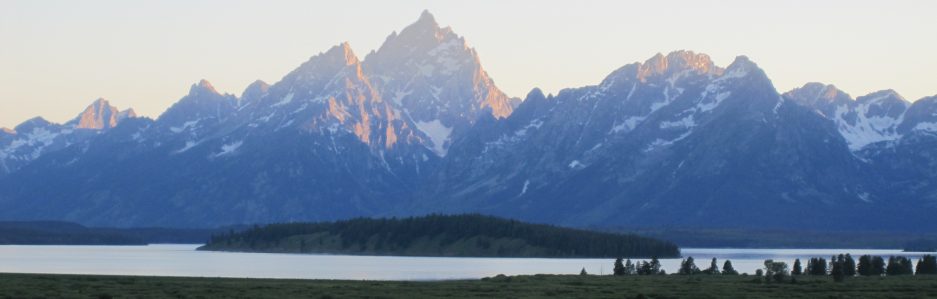
Grand Tetons National Park, Wyoming

In our travels across the country and overseas, my wife and I are usually drawn to wide open spaces. We love expansive vistas where the terrain stretches out before us for miles on end, and the view of the canopy above is unobstructed. And although these destinations are physical or geographical, they lend themselves to mental and emotional experiences that transport us far beyond the landscape alone. We like to say that these moments are good for our souls, when perhaps we are reminded of how small we are and how big the world, or even the universe, truly is.

Grand Canyon National Park, Arizona

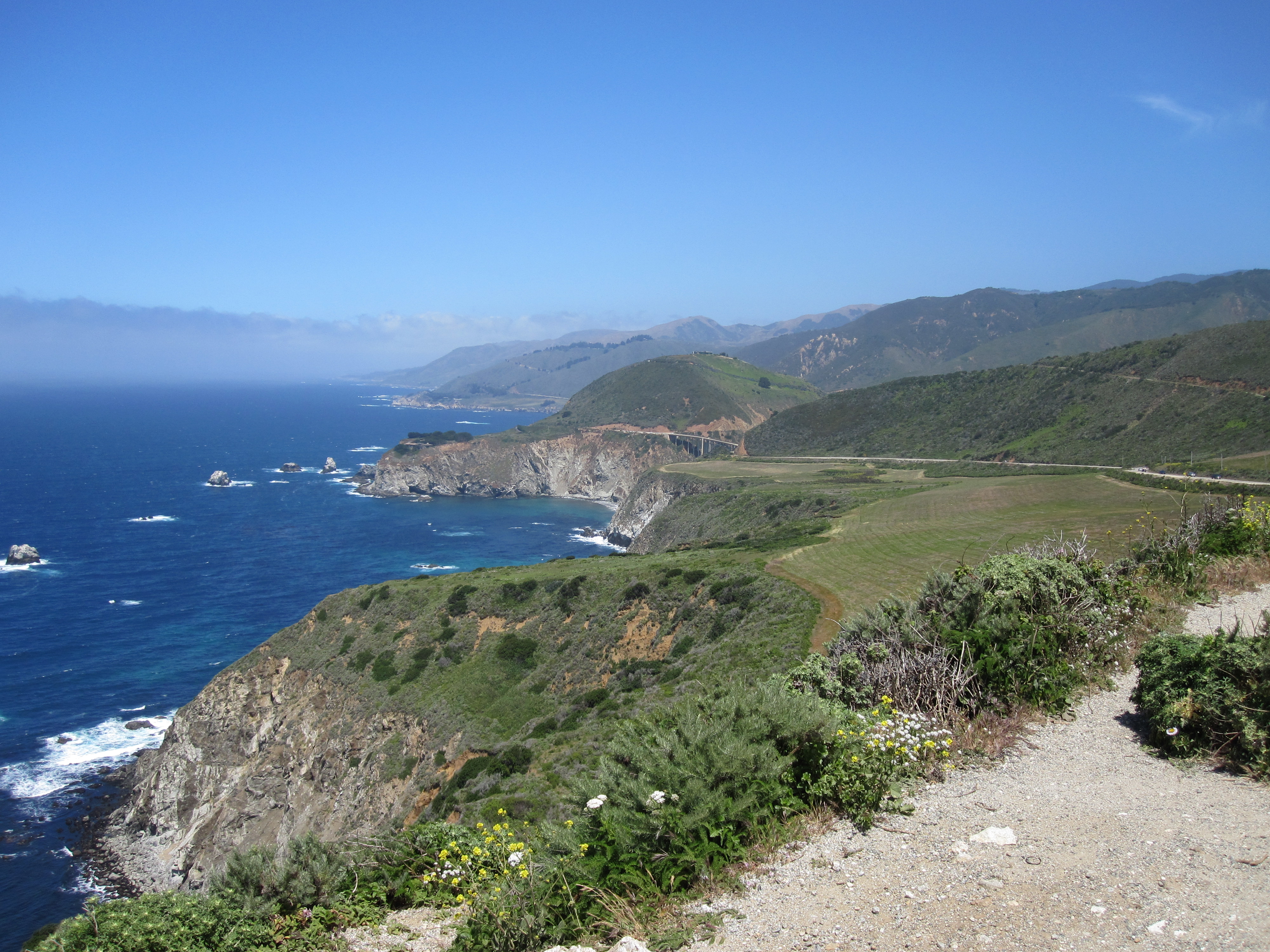
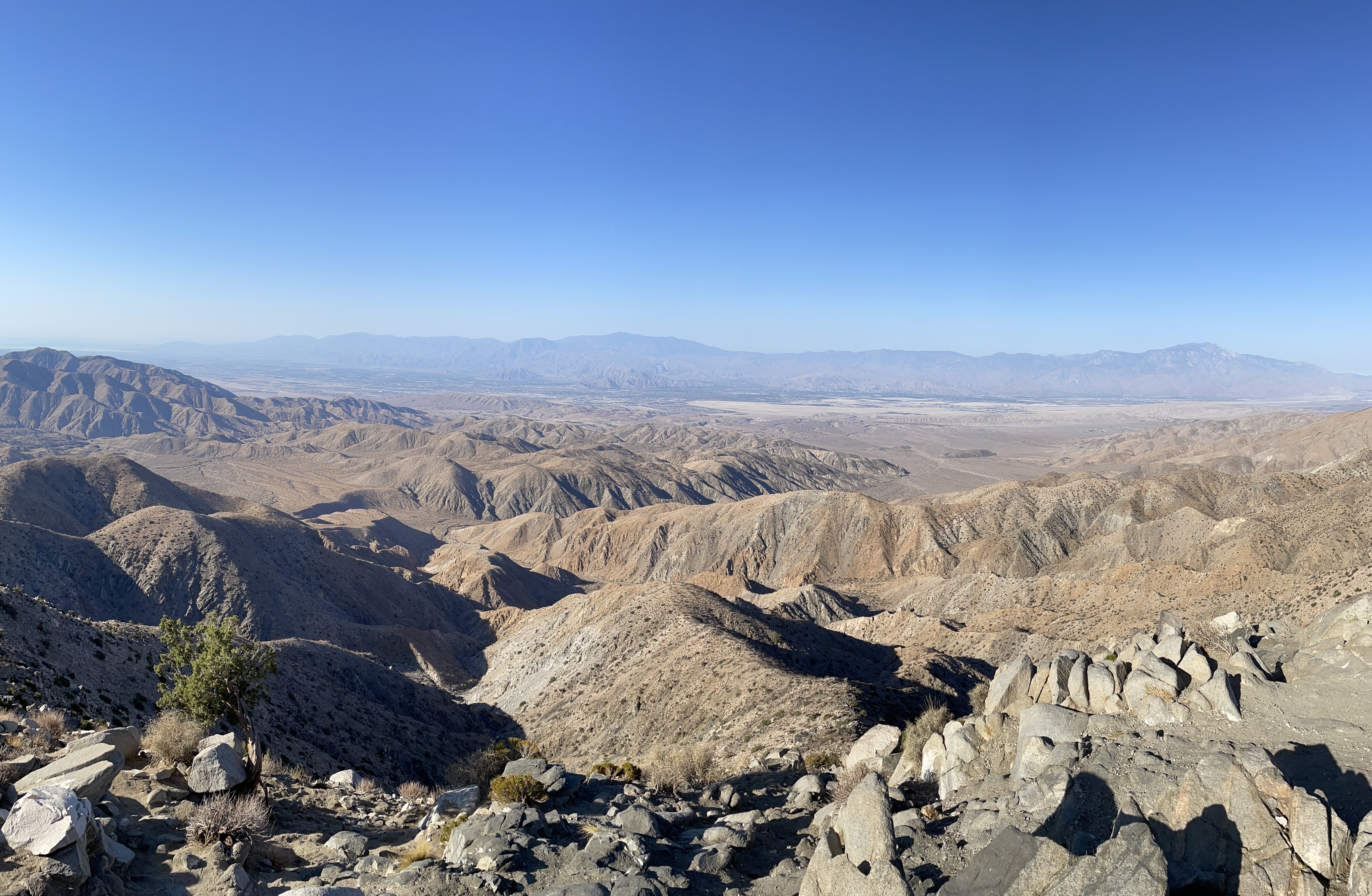
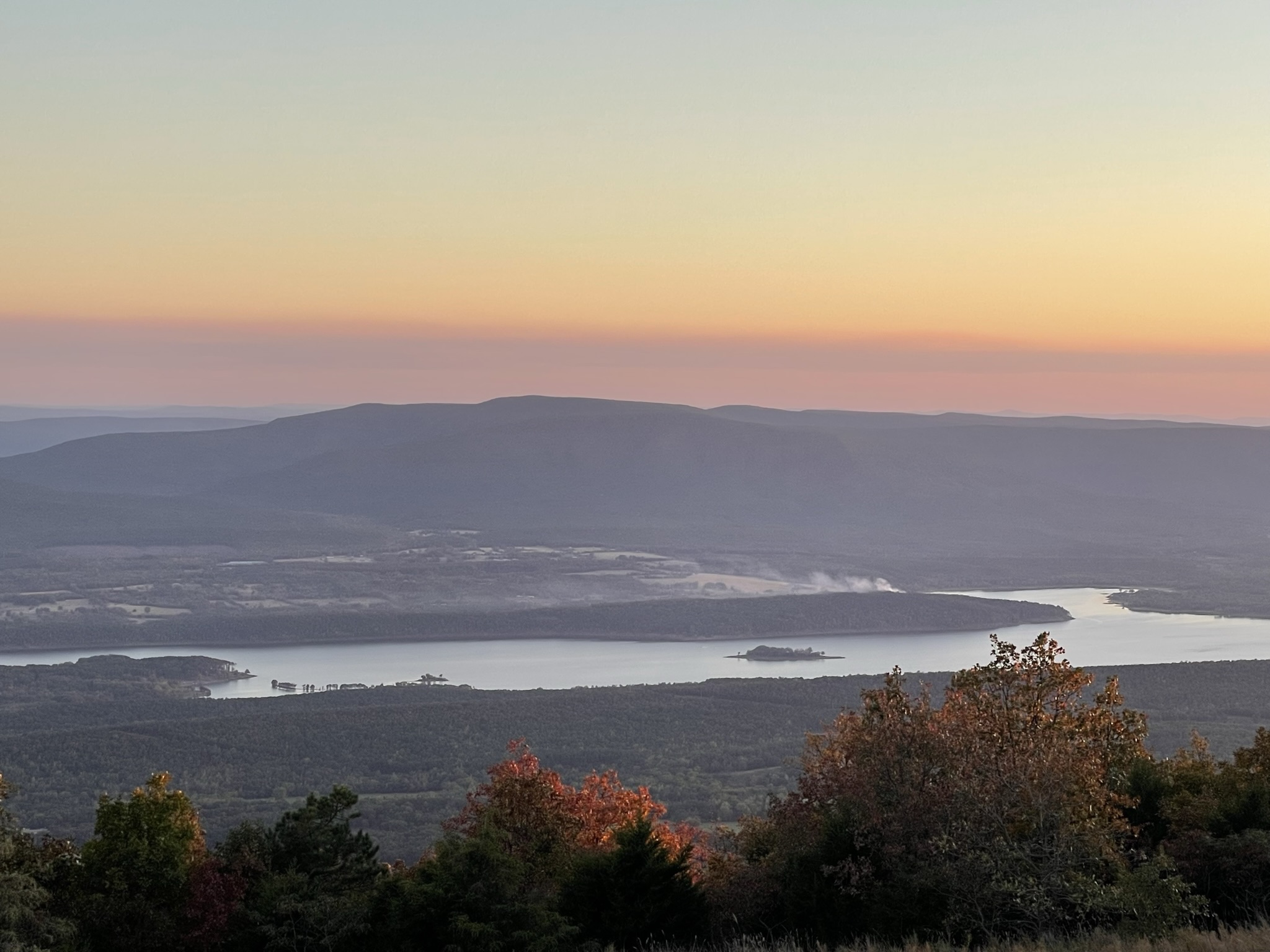
Some of our favorite locations to see such grandeur are in the American West, but we have also witnessed breathtaking scenes in other places in the South, Northwest, Midwest, and in Europe. I have written other posts about how we value wide open spaces, but I thought it might be nice to share some images here of locations where we have felt the power and majesty of the natural world, from mountains, valleys, and deserts to shorelines, lakes, and streams, and always an abundance of big sky. After all, when it comes to appreciating the wonder of the natural world, who doesn’t know what I’m talking about?

View from Picacho Peak, Arizona
Top of the Rock and Table Rock Lake, Missouri
Highway One at Hurricane Point, California
Highlands, NC
Highlands, NC
Joshua Tree National Park, California
Mount Magazine State Park, Arkansas
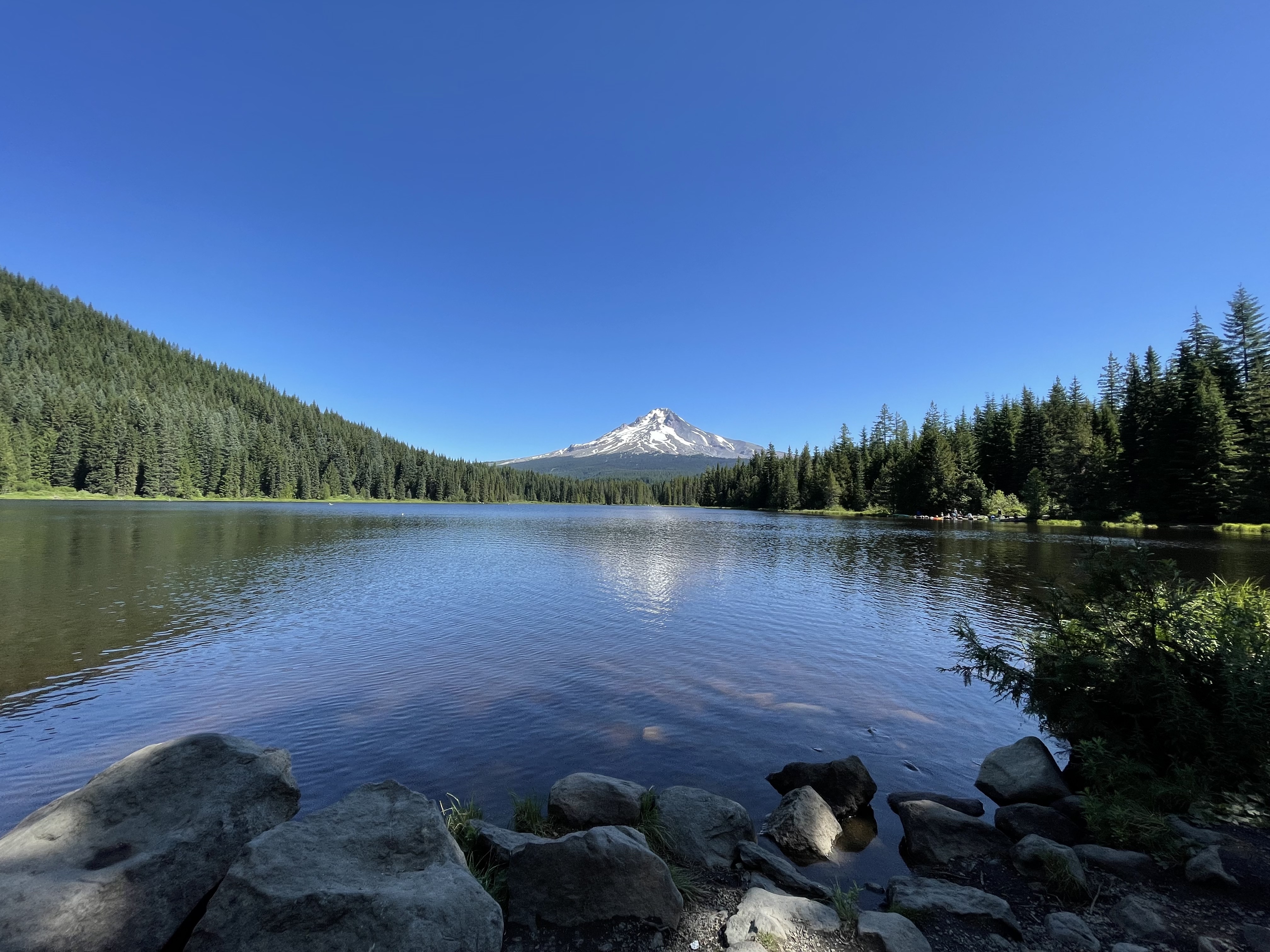
Mount Hood, Oregon
Mount Hood, Oregon
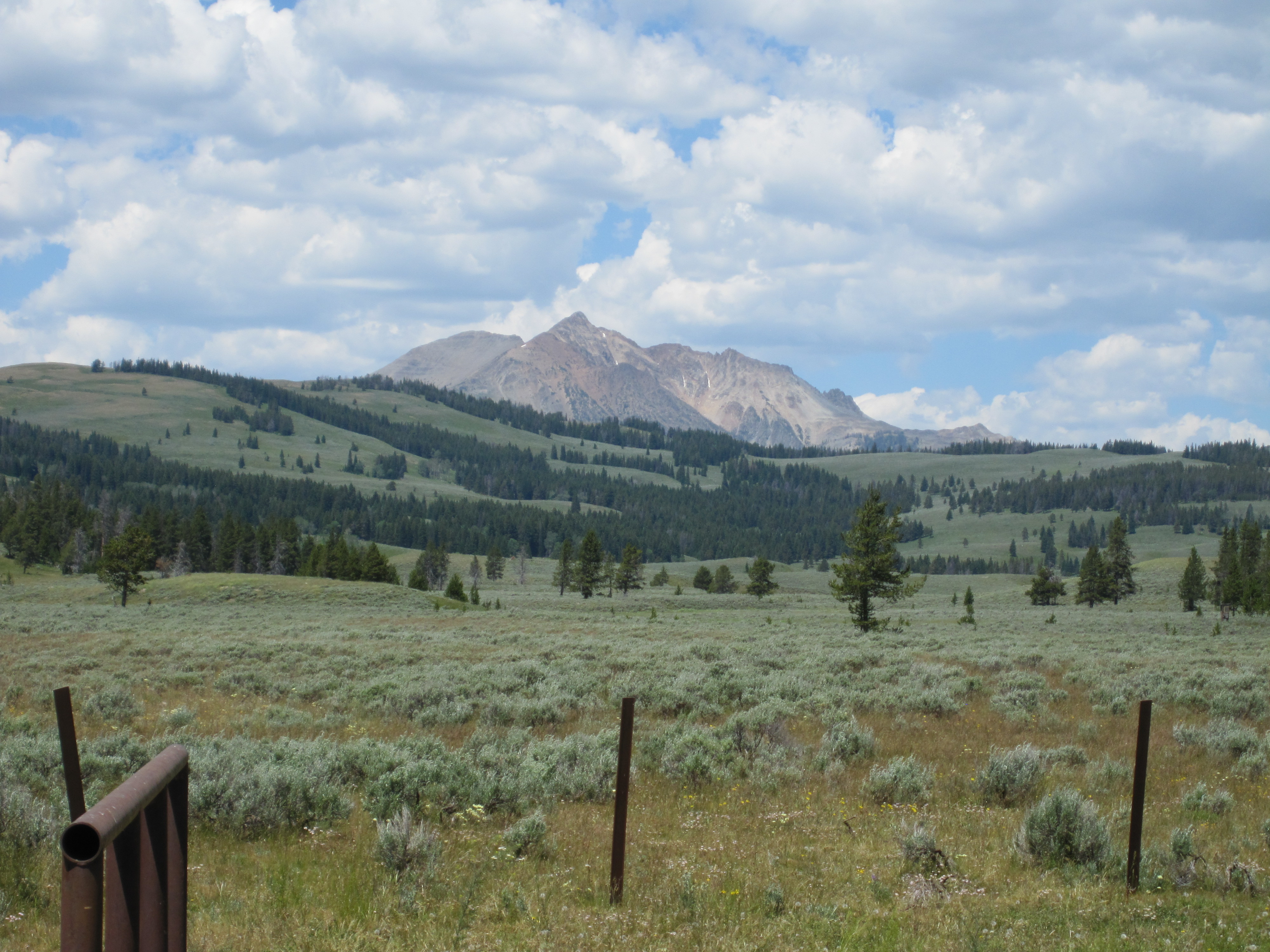
Yellowstone National Park
Yosemite National Park, California
Swiss Alps, Switzerland

A Swift Rise to Stardom and Influence

American popular music has produced some unforgettable female icons during my lifetime: Janis Joplin, Dolly Parton, Cher, Madonna, Janet Jackson, Beyonce, Adele, just to name a few. They have all been influential on their fan base, and to some degree, to the public in general. Joplin gave young women permission to experiment with sex and drugs, often to dangerous excess. She died of a heroin overdose. Dolly Parton has always encouraged women with her words and by example to be strong and independent without sacrificing their femininity or sexual charm. Madonna in some ways paralleled the rise to fame of Michael Jackson. She was definitely the queen of pop for a while, more so than Michael’s own sister, Janet. She still holds the record as the biggest selling female artist to date. All of these women enjoyed success here and around the world.

Perhaps these women prepared the way for the female entertainer who has taken the world by storm in the 21st century and will likely surpass them all at some point. Taylor Swift is so much more than a singer, songwriter, musician, producer, and entertainer. She is a force. With the release of her single “Our Song” in 2006, she became the youngest singer-songwriter to perform an original song and reach the number one spot on the Hot Country Songs chart at the ripe age of seventeen. Two years later she became the youngest person to win the Country Music Association Awards’ top spot. She has won more American Music Awards than anyone else in history. She is the first woman to have four albums in the Billboard 200 chart’s top 10 simultaneously. She also broke Billboard’s record for most number one albums by a female artist. Swift made history again at the 2024 Grammy Awards when she took home the Album of the Year, becoming the first and only person to have won the award four times.

These accolades are phenomenal; however, some of her other accomplishments have served to establish her as one of the most influential women in the country, if not the world. According to some sources, the opening night of Swift’s Eras Tour set a record for the most attended concert ever by a female musical entertainer in the U.S. The tour continued to break attendance records across the country and became the first to surpass $1 billion in revenue. According to Forbes magazine, Swift became a billionaire in 2023 and thus the highest-earning female performer in the music industry. Between vinyl, streaming, and other media, Taylor Swift continues to break sales records in various categories every year.

I couldn’t find an estimate of how many people have seen Swift in concert over the course of her career. Based on stats that are available, close to 10 million people worldwide have attended her Eras tour, which ends in December 2024. She has been a dominant figure in the lives of at least two generations: her adoring fans and the many parents who continue to take their young children to her concerts. It is amazing how many of those parents and children (mostly female but certainly not all) sing along to every word of every song Taylor Swift performs. What a rush that must be for her.

Taylor Swift
Taylor Swift

Swift is an outspoken advocate for progressive causes, especially related to women and the LGBTQ population. She is not afraid to let her fans know through public statements and social media where she stands on controversial issues. She is not overtly political, and she attracts fans from across the political divide. Yes, there are Swifties for Trump – they may not agree with her ideologically, but they still love and identify with her music. She doesn’t shy away from publicly revealing her candidate of choice, even on the national level. She backed Joe Biden in 2020 and Kamala Harris in 2024. She wisely stops short of suggesting who her fans should support, but she strongly encourages them to do their research and vote their conscience. Shortly after the presidential debate between Trump and Harris in September 2024, Taylor Swift sent messages on her social media platforms making her choice known and including a link to a voter registration site. According to multiple sources, over 400,000 people clicked on the link in the 24 hours after Swift posted it. That’s power, and I would guess that very few people in this country have that level of influence.

For those who still think that Taylor Swift’s work is just a bunch of shallow revenge music obsessing over her broken heart, I suspect they haven’t followed her career closely enough. Her latest album, The Tortured Poets Department, has considerable depth thematically in places. Her lyrics really started to show her maturity as a songwriter with the 2020 release of Folklore. Okay, perhaps her musical compositions are not complex or interesting enough for some people, but I maintain she is writing good stuff. The song “This Is Me Trying” from the Folklore album packs a powerful punch that almost channels Bruce Springsteen in my mind. Oh, one more thing. My wife and I live in Missouri and are Kansas City Chiefs fans. We absolutely love seeing Taylor Swift at the football games and think the budding romance between the rock star and Chiefs tight end, Travis Kelce, is a refreshing American celebrity love story. They are adorable. Go ahead, call me a Swiftie. I’m “fearless.”

Source consulted:
https://theweek.com/culture/entertainment/1025810/taylor-swift-records-2023

Images:
https://en.wikipedia.org/wiki/Taylor_Swift

Sir Elton John

There is no entertainer whose work I have admired more than that of Elton John. His 1974 Greatest Hits may have been the first album I ever personally owned, only because I have a sister who is about six years my senior, and I listened to her albums and singles until I discovered Elton John on the radio as I approached my formative teen years. I played that vinyl until it warped. Three years earlier I had started learning to the play the guitar, at first with a few lessons from a fellow who loved old folk tunes, but I quickly began picking out chords on my own and learning to play by ear. I had been singing both melody and harmony parts since I was a young child, mostly in church, school, or with family and relatives.

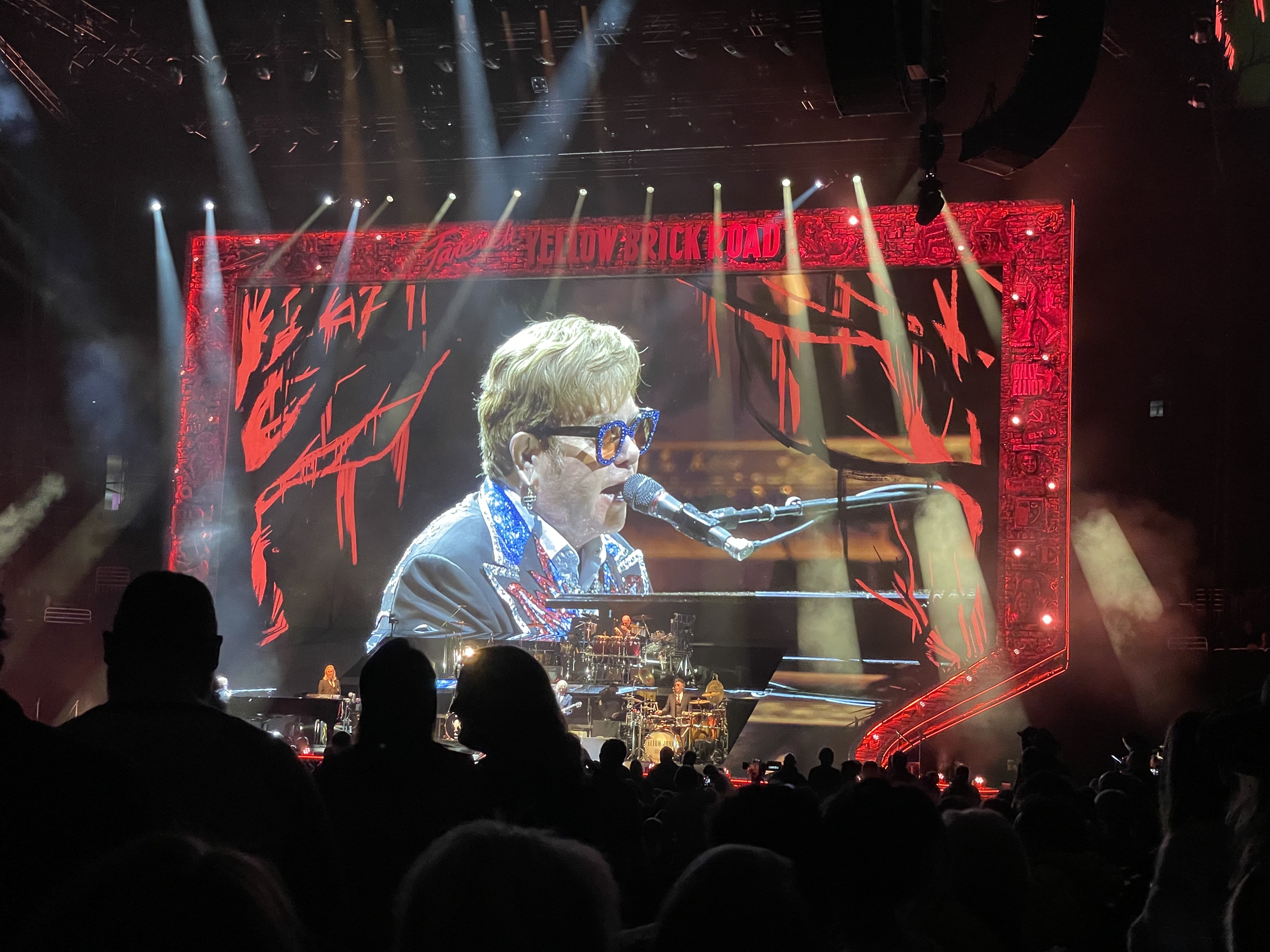
Elton John concert, February 1, 2022 (Kansas City)

The songs that Elton John and his lyrical collaborator, Bernie Taupin, produced interpreted the human condition for me and countless others around the globe. By his own testimony, one absolute constant in Elton John’s roller-coaster life has been his love and admiration for his songwriting partner. It was their songs that largely inspired me to start playing music, and I have been playing and performing them ever since. I still cover several of their tunes to this day (on guitar and keys), including the brilliantly composed “Your Song,” which I am still astounded to know that Taupin wrote at the ripe old age of 19.

If I had to choose one word to characterize Elton John’s life, it would have to be “outrageous,” an adjective that he has used from time to time in public appearances and in writing. By his own admission, Elton John has an addictive personality and spent many decades fighting horrible battles with drugs before finally going sober. He has a nasty temper nurtured by his wealth and fame, a personality trait that in my view is his least attractive. “I’m perfectly aware of how ridiculous my life is, and perfectly aware of what an arsehole I look like when I lose my temper over nothing,” he writes in his 2019 memoir simply titled Me. Of course, he is known for being self-indulgent, something he shares with many other pop stars of his generation. He is fairly critical of himself and open about what he perceives as his failures.

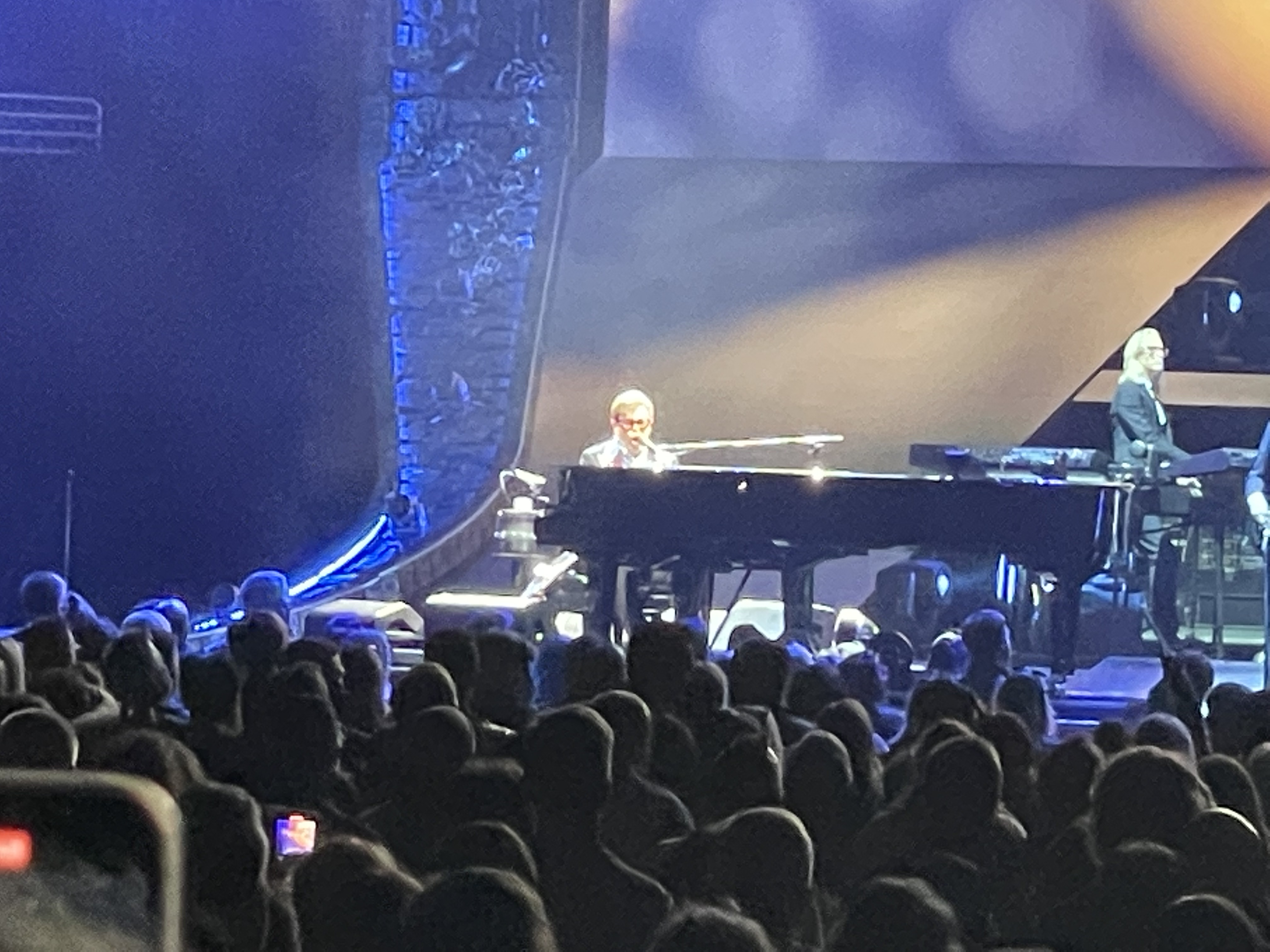
Elton John concert, February 1, 2022 (Kansas City)

Elton John has endured his share of sadness: a troubled relationship with his parents, the many friends he has lost to AIDS, his own broken personal relationships, and the many years he was imprisoned by cocaine and alcohol. Those low points are perhaps balanced out with times of great joy, especially his hundreds and hundreds of live performances through the decades, the part of his career that he perhaps loved the most. He found what seems to be enduring love with his husband, David Furnish, and the couple have two sons, Zachary and Elijah. In the end, for multiple reasons connected to his upbringing and his rise to fame, I get the sense that Elton John had a very difficult time growing up, even long after he reached adulthood. Even so, I don’t see him as a tragic figure. I see him as an incredibly talented musician, songwriter, and entertainer who from a young age wanted to be loved and needed to be the best at what he was doing. By my account, he succeeded.

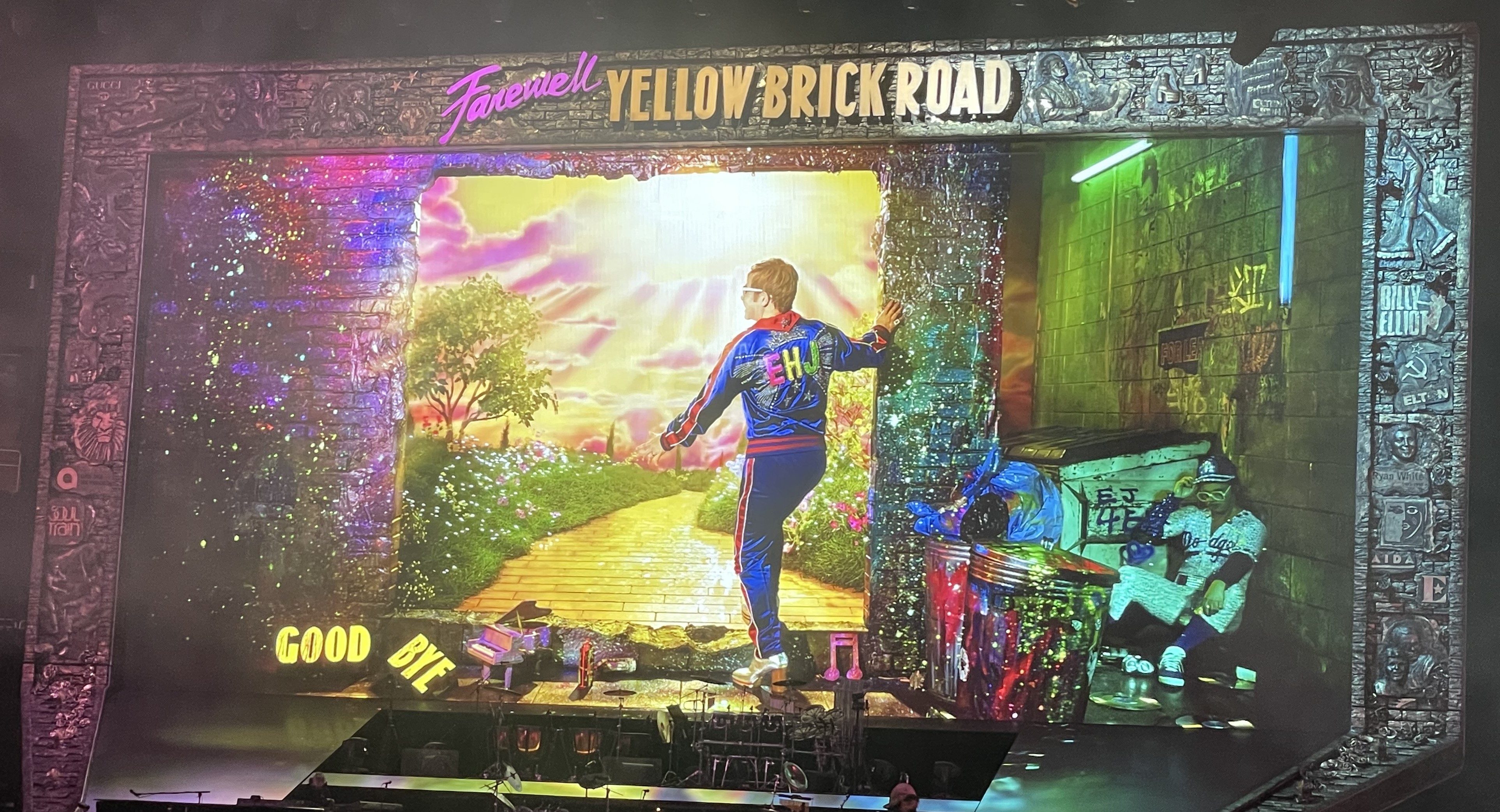
In a post from a few years back, I mentioned that I missed an opportunity to see Elton John perform when I was studying abroad in England in 1984. Fortunately, my wife and I were able to catch him in Kansas City in February, 2022, for his Farewell Yellow Brick Road tour. He was showing obvious signs of his 75 years on the planet by then, but his voice was still incredibly strong. Yes, I know that backtracks and other enhancements make it possible for concerts to sound almost flawless, but Elton John has been extremely critical of performers who lip sync at their shows. I’m assuming he doesn’t. He has probably tuned his songs down a half or whole step from the original, and he has younger vocalists to help with the stratospheric notes, but he also rearranges songs to make them more manageable for his septuagenarian voice. Some of the tunes don’t sound the way most of us remember them, but they are still wonderful songs, and he remains a fabulous and generous entertainer.

Elton John concert, February 1, 2022 (Kansas City)

Chuck Berry, for Better or Worse

Chuck Berry statue in the Delmar Loop in St. Louis, MO

In the spirit of giving credit where credit is due, no one deserves the title “The Father of Rock-n-Roll” more than Chuck Berry. So many of the legends of the genre revered him and covered his hits, including The Beatles and The Rolling Stones. Keith Richards said if rock-n-roll had a name, it would have to be Chuck Berry. Even that white boy from Tupelo, referred so often to as the “King” of rock-n-roll, covered Berry’s tunes.

Chuck Berry’s life is not really a rags-to-riches story as he was born into a middle-class family in St. Louis where he lived his whole life. Growing up just beyond the eastern boundary of the Ozarks region, Berry was heavily influenced by rock-a-billy and country music, elements of which would end up in many of his greatest hits. Of course, Berry also grew up during the era of Jim Crow in a part of the country that had a dark past with race relations. Sadly, according to R. J. Smith in his brutally honest biography (Chuck Berry: An American Life, Hachette Books, 2022), Berry apparently carried his response of anger, resentment, and frustration to extremes at times, taking opportunities to insult and humiliate people, even those who adored him, and telling them, “Now you know how it feels to be black.”

Smith does a good job of balancing the artistry, intelligence, talent, and even the charm of Berry with the ugly side of his personality. Some of the stories about Berry make me think that he may have had some kind of serious psychological illness, like bipolar disorder. To say he was a womanizer would be to let him off the hook. He demonstrated signs of being what many folks in the post-MeToo era would define as a sexual predator and even a pedophile. At the very least, it is fair to say he had strong sexual appetites that wandered into the realm of the taboo and even aberrant.

His sexual deviance, along with his violent tendencies and his resistance to authority, including the IRS and government in general, got him into legal trouble on several occasions. He was sentenced to jail time more than once. One could argue that he shared this path with many of the outlaw country stars like Johnny Cash, Merle Haggard, Willie Nelson, and many others. Some rap and hip-hop performers who were no doubt influenced by Berry on some level would also be plagued with legal problems and prison terms.

No matter how bad the news was for Berry, he was still highly respected by the biggest names in the music business, including Bruce Springsteen. He was an early cross-over musician, infiltrating white homes with his unique style of playing and singing long before black performers were even allowed to eat in many restaurants or stay in hotels when they were on tour. He was beloved by millions of fans all over the world, even when he continued to attempt to perform in his 80s as dementia began to claim his mind and memory. His impact on 20th century music and beyond cannot be overemphasized, complete with his flaws and his brilliance.

The Ozarks in DC: 2023 Smithsonian Folklife Festival

I had the privilege of being directly involved in the planning and implementation of the 2023 Smithsonian Folklife Festival, an annual event that takes place on the National Mall in Washington, DC. With a history going back over fifty years, the festival is usually scheduled over a ten-day period roughly encompassing the last week in June and the first week of July. It is produced by the Smithsonian’s Center for Folklife and Cultural Heritage and honors living cultural traditions while celebrating those who practice and sustain them. One of the programs selected for the 2023 festival was focused on the Ozarks, a region of the U.S. that is centered in southern Missouri and northwest Arkansas but also includes small portions of northeast Oklahoma, southeast Kansas, and extreme southwest Illinois. 

Smithsonian Folklife Festival 2023

I began working in 2019 for Missouri State University Libraries on a part time basis, assisting with projects sponsored by the Ozarks Studies Institute, an initiative of the Libraries. A fortunate turn of events led to the Smithsonian partnering with the Libraries for the Ozarks program of the 2023 festival, with the Dean of Libraries serving as a curator. The Dean offered me a full-time position eighteen months prior to the event to serve as an associate director for the university’s participation in the festival. 

The Dean and I teamed up with another part-time employee of the Libraries who has written two books about the Ozarks and has extensive cultural knowledge of the region. Our trio served as the core planning committee for the university to collaborate with the festival organizers from the Smithsonian. One of the first jobs we tackled was coming up with a name for the program. After considerable deliberation, we decided on “The Ozarks: Faces and Facets of a Region.” Our trio made numerous trips to visit with people and organizations throughout the region, in all five states, to spread the word and generate excitement about the festival. A small group of Ozarkers, including our planning trio, visited the National Mall in the summer of 2022 to get a clearer picture of how the event looks and works. We took two musical acts with us to perform as a preview of the 2023 Ozarks program.

Smithsonian Folklife Festival 2023

Over the course of a year, we worked with the Smithsonian staff to identify key stakeholders from the Ozarks who could assist with fundraising, program content, identifying other curators and participants, and overall planning of the festival. We had Zoom meetings almost every week for over a year to hammer out all the details, and several festival organizers from the Smithsonian visited the Ozarks multiple times to get a better sense of the region and to meet with our team. 

Using artists from the Ozarks and from the DC area, the larger planning team came up with design features for the festival that would reflect the natural beauty of the region. We had to decide on color schemes, fonts for signage, layout of the festival grounds, daily schedules of events, and a whole host of other elements. In early 2023 we began meeting with the festival logistics staff to work on structural and mechanical requirements for the site. We also met with interns and volunteers who are brought on each year to help the Smithsonian with festival participants’ needs regarding transportation, lodging, meals, and a wide variety of other accommodations. By the time June arrived, there were over 150 people involved in either planning or implementation. It is a massive effort.

Smithsonian Folklife Festival 2023

The festival was open each day, June 29 through July 9 (with the exception of July 5), from 11:00 a.m. to 5:00 p.m., followed by evening concerts most nights running from around 6:30 to 8:00 p.m. The Ozarks program site was situated under the trees on the south side of the Mall, just east of 14th Street SW. On the opposite north side of the Mall was the other program for the 2023 festival, which was called “Creative Encounters: Living Religions in the U.S.” Each year the festival is open on Independence Day, where people gather by the hundreds of thousands along the corridors, paths, and grassy fields extending from the Potomac River all the way to the Capitol to await the spectacular fireworks display at dusk between the Lincoln and Washington Memorials. I don’t typically go out of my way to see firework displays, but the colorful explosions that serve as a backdrop for the imposing Washington Monument are mighty impressive.

Smithsonian Folklife Festival 2023

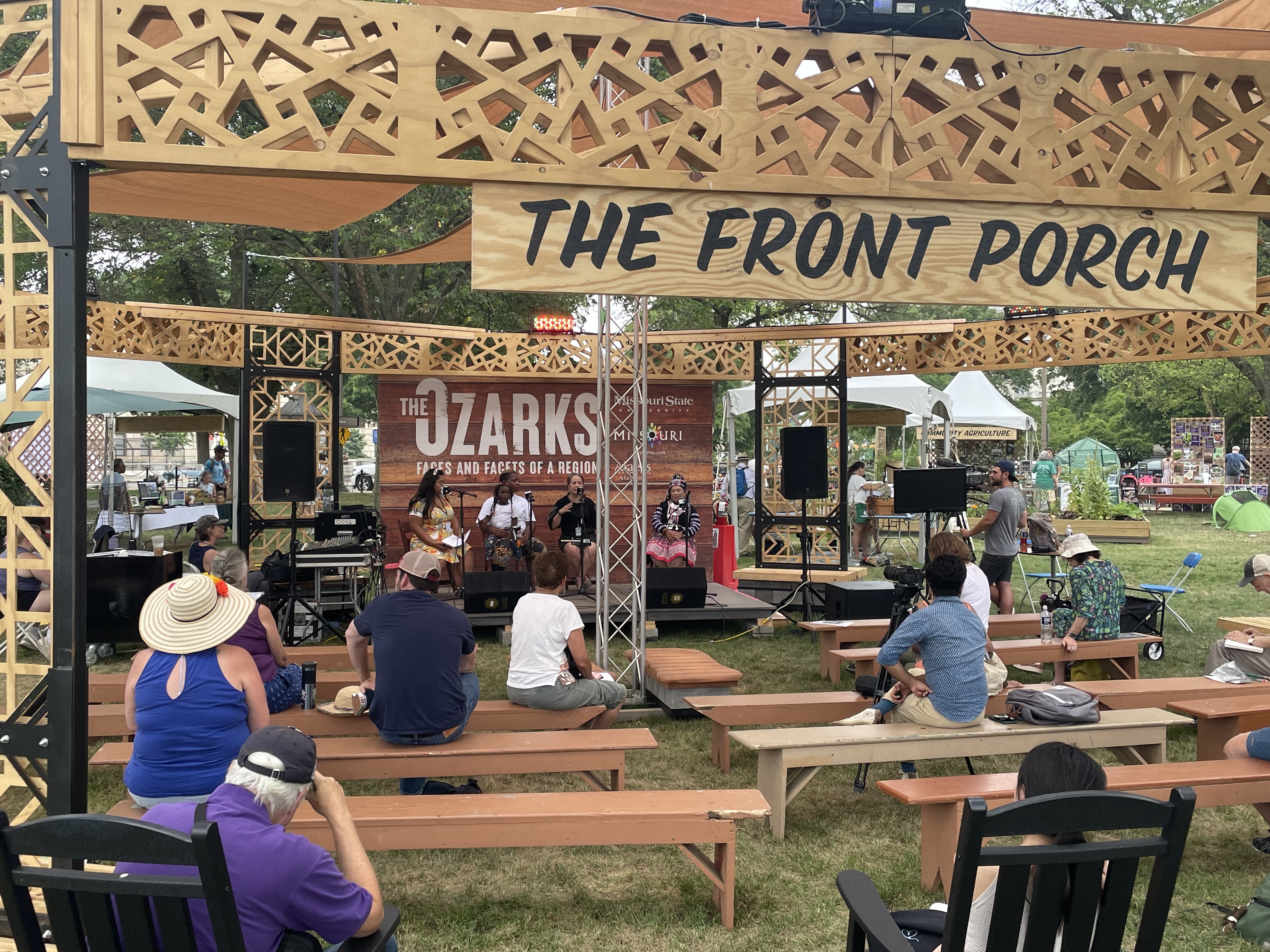
The Ozarks program was divided into four major themes: celebrations and gatherings; stories, sounds, and show business; migrations, movements, and pathways; and connections to land and place. The site featured large-scale murals and a mountain-bike trail build, music jam sessions and performances, dance and plant-knowledge workshops, food and craft demonstrations, and curated discussions. The Ozarks program included multiple theaters. There was a theater for discussions and demonstrations of plant knowledge, one for cooking demonstrations, one called the “Pickin’ Porch” mostly for music during the day, and one called “The Front Porch” for panel discussions. Both festival programs shared a large main stage out in the middle of the Mall that was reserved for musical workshops and performances during the day and for the larger evening concerts.

Smithsonian Folklife Festival 2023

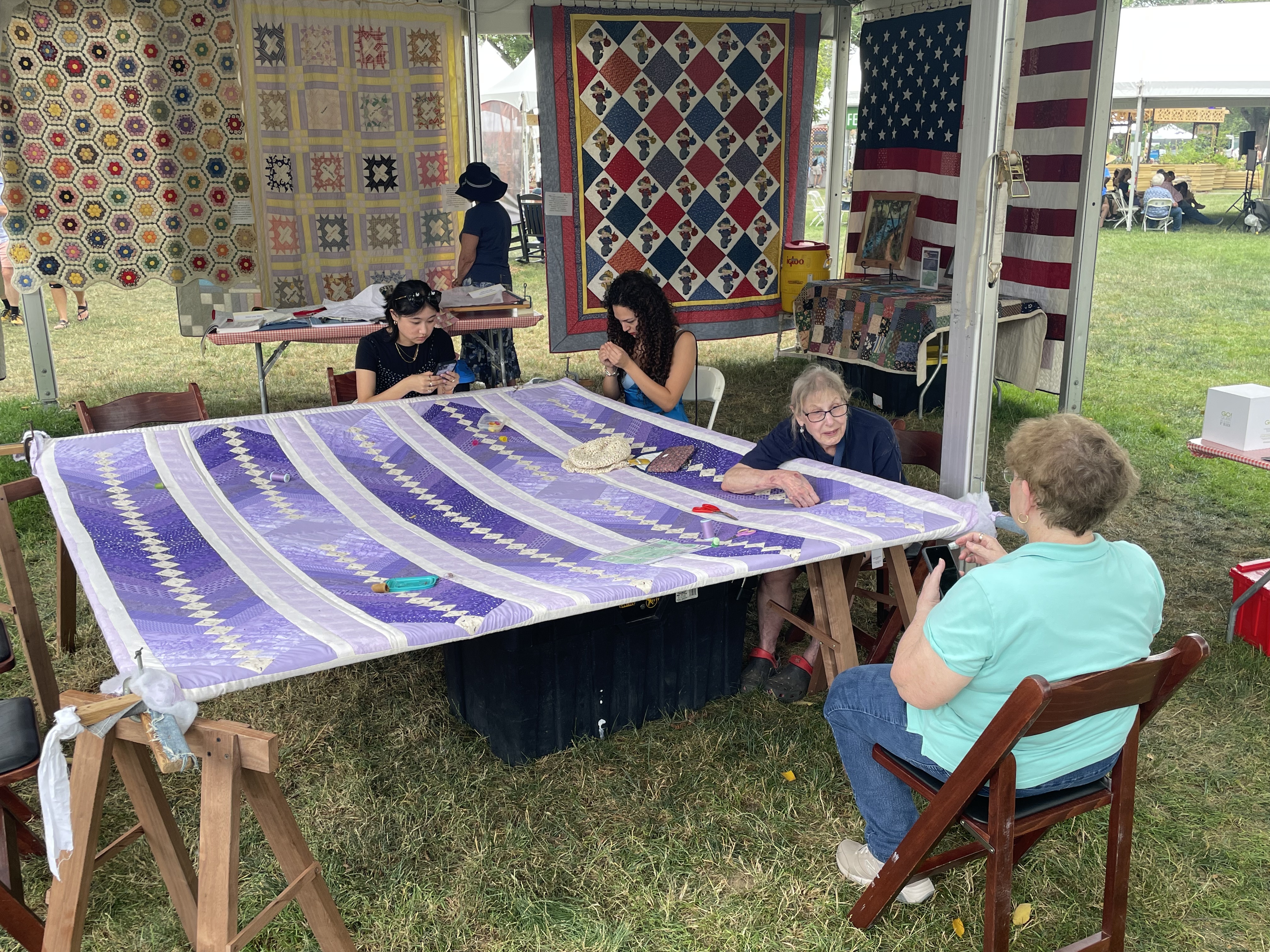
The Ozarks program brought close to 60 musicians to the festival, which is a clear indication of how important musical traditions are to the culture of the region. There were at least eleven different ensembles of varying sizes, along with many individual musicians, specializing in several different genres including Native American music, traditional old time music, bluegrass, folk, country, gospel, and contemporary. Foodways, plant knowledge, arts, crafts, and storytelling were demonstrated by white Ozarkers but also by many other ethnic groups that call the Ozarks home, including Native Americans, African Americans, people of Hispanic and Latino heritage, Marshallese, Hmong, Khmer, and Syrian. Contrary to much of its history over the last 200 years, some of the “faces and facets” of the Ozarks show remarkable diversity in race, ethnicity, and culture.

Smithsonian Folklife Festival 2023

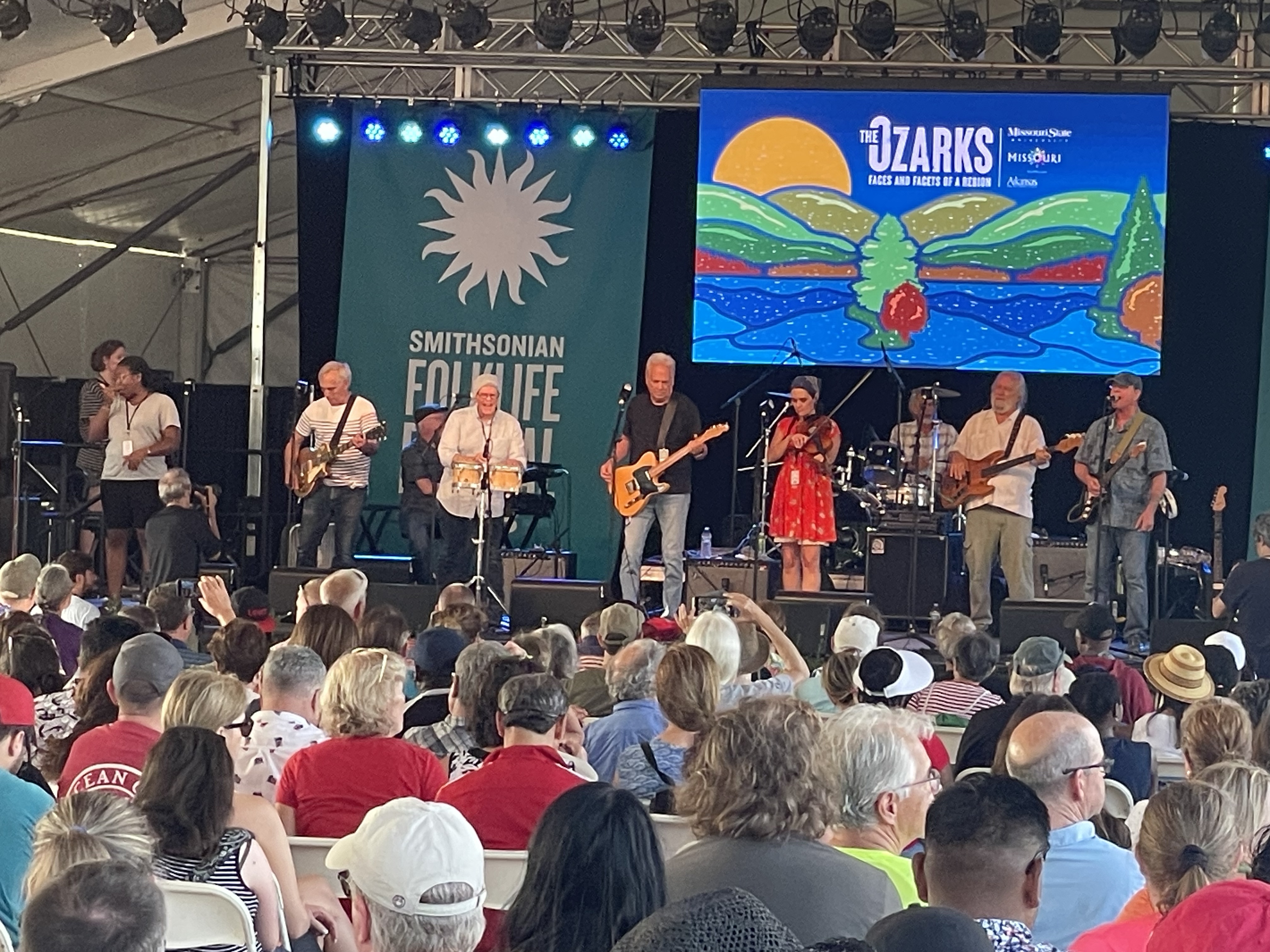
The largest and most recognizable musical group that the Ozarks program sponsored played on the main stage for the July 4 evening concert. The Ozark Mountain Daredevils is a band that originated out of Springfield, Missouri, in 1972. The group had several hits in their early years including “Jackie Blue” and “If You Want to Get to Heaven.” The band has evolved over the decades, losing and replacing band members and even going into a type of semi-retirement in the early 21st century. In recent years the Daredevils have enjoyed a bit of a resurgence, appearing on the Grand Ole Opry in Nashville on two occasions in 2023. They put on a hell of a show for the DC festival and for hundreds of people within earshot of the main stage that evening.

Ozark Mountain Daredevils

My primary job during the days of the festival was to occupy the Missouri State University Libraries table set up near the main entrance of the Ozarks program. With the help of one of our student workers, I was selling several books about the Ozarks and answering questions about the festival program and the region in general. I was surprised by how many festival visitors told us they were either from the Ozarks, had lived in the Ozarks, or had fond memories of visiting the region. Many of these folks have lived and worked in the DC area for years, and they were so happy to see the Ozarks featured on the National Mall. We could definitely detect a sense of pride in their voices when they talked about their connection to the region.

Smithsonian Folklife Festival 2023

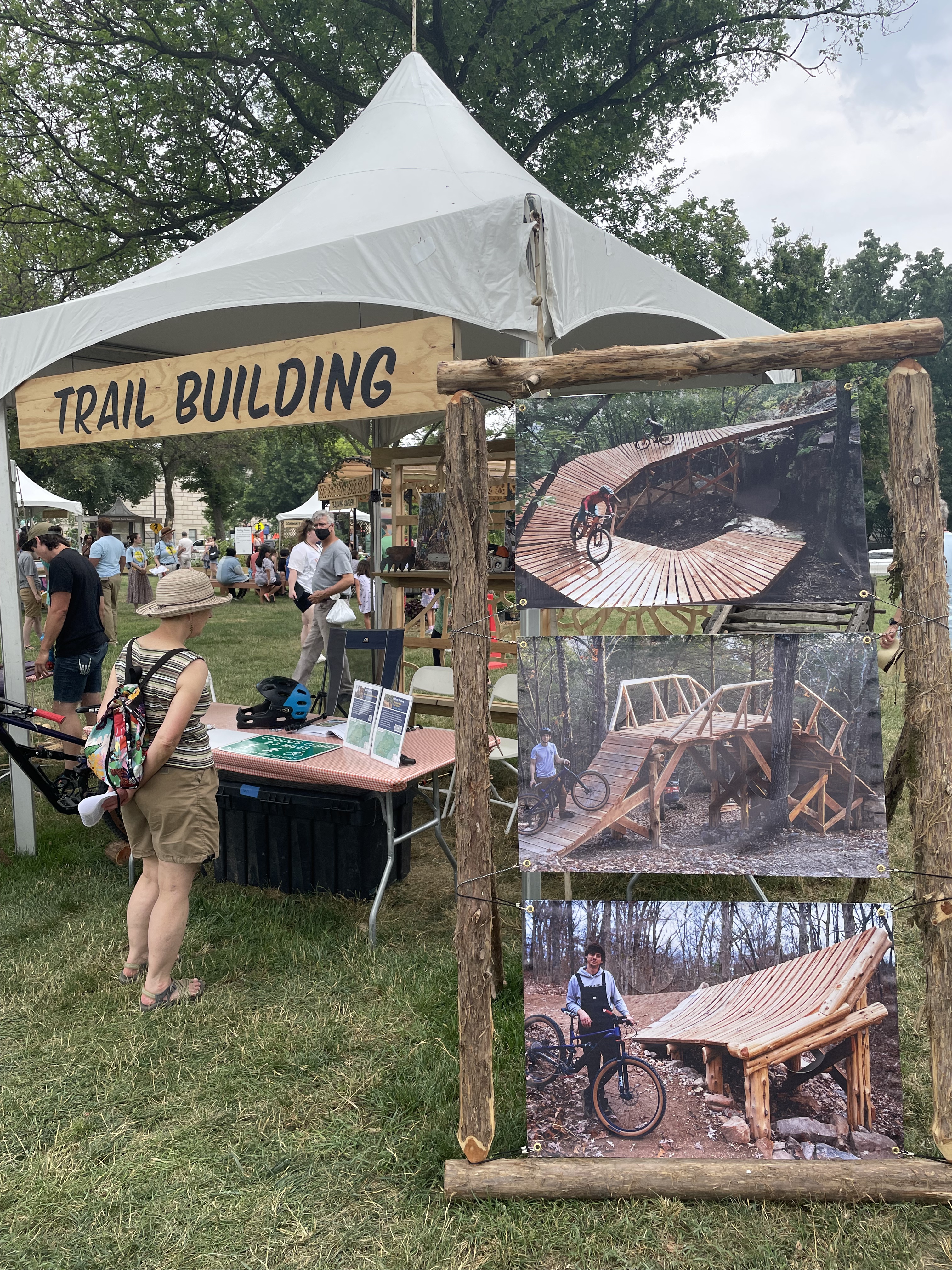
Perhaps the most enjoyable connection I made during the time of the festival was with the two guys representing mountain biking, one of the fastest-growing forms of recreation in the Ozarks, especially in northwest Arkansas and Missouri. Seth Gebel is a young entrepreneur who owns Backyard Trail Builds. He goes out into the forest armed with only hand tools and cuts down cedar trees, trimming them out to create bridges, ramps, and runs for biking trails. He designed and built a short, curved and banked track at the entrance to the Ozarks site at the festival. Dave Schulz works within a nonprofit organization to help community leaders in revitalizing their towns by developing bicycle-focused public parks and sustainable trail systems, preserving natural environments while drawing tourism from around the world. Both of these guys gave daily riding demonstrations on the track that Seth built for the festival.

Smithsonian Folklife Festival 2023

The most magical moment for me came on the final evening of the festival in the dining room of the host hotel. A group of Ukranian vocalists from the Creative Encounters program stood up and began singing a traditional folk song in their native tongue. They were followed by several other individuals and groups from both programs, standing to sing and inviting others in the room to participate through responsive chanting, vocalizations, and clapping. As I witnessed what happened, I recognized that this festival offers us a snapshot of the best of humanity, the wonders we are capable of producing when we embrace our differences and come together to learn from each other.

Smithsonian Folklife Festival 2023

The Music Scene in Springfield, Missouri

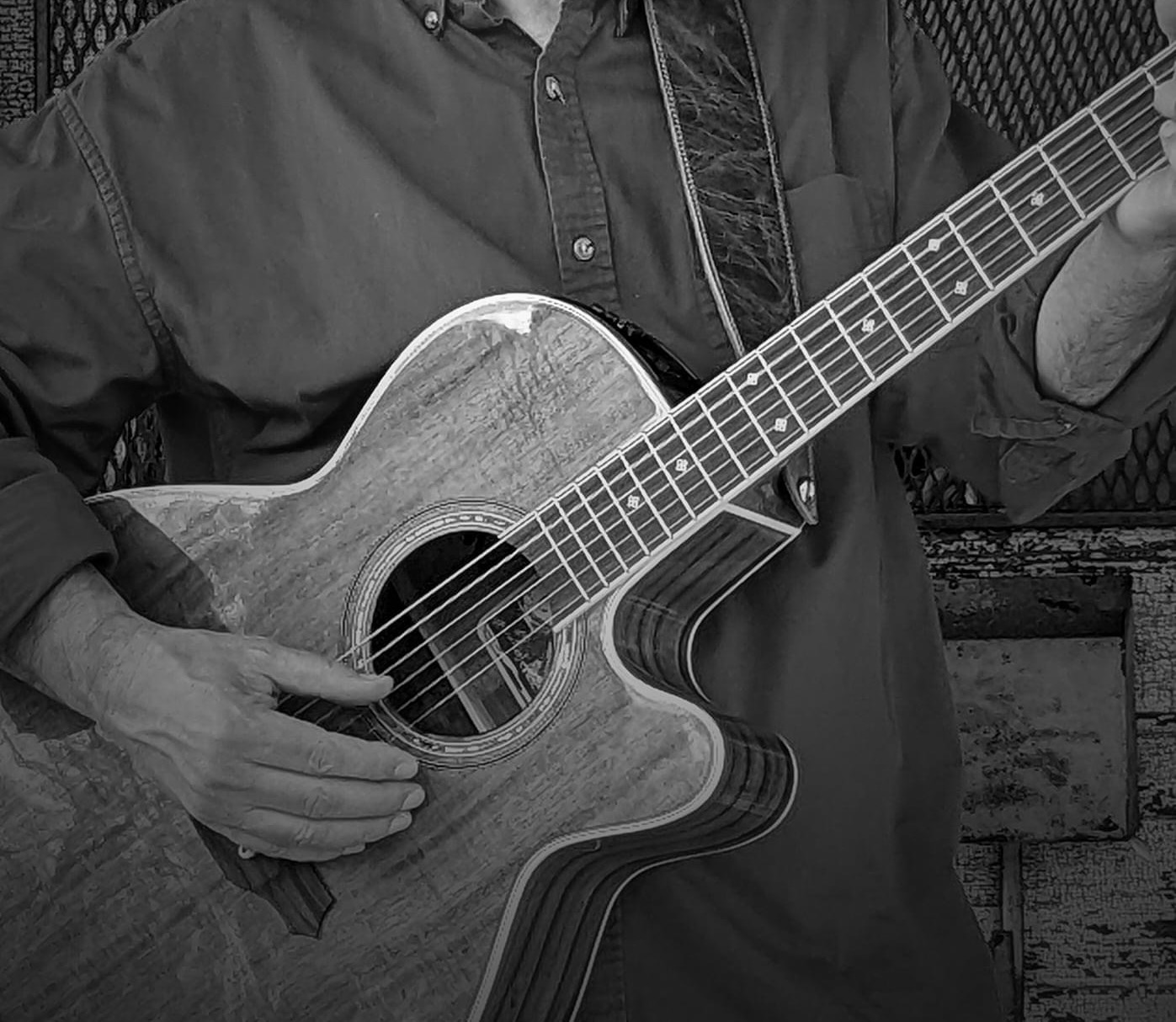
Strumming a guitar
Strumming a guitar

When my wife and I moved to Springfield, Missouri, in late 2018, I had no idea how vibrant the music community would be in this town of 200,000+ people in the heart of the Ozarks region. Within a few months, I was participating at a weekly open mic night jam where musicians, singers, and songwriters gathered to perform a wide variety of music, which was mostly classic rock, country, pop, and the occasional folk tune. As we became more immersed into the community through work and social activities, I learned this part of the country has an incredible musical legacy going all the way back to the early 19th century when immigrants began to settle in southwest Missouri and northwest Arkansas, bringing with them musical traditions from southern Appalachia rooted primarily in Scotland and Ireland. Old time music jams, or house parties, lasting all night sprang up throughout the hills and hollers featuring various stringed instruments like fiddles, mandolins, banjos, upright bass fiddles, and guitars. Weekly old time and/or Bluegrass music jams still exist today in the rural Ozarks in places like McClurg, Missouri, and Mountain View, Arkansas.

Microphone
Microphone

The regional music scene gained national attention in the 1950s with the “Ozark Jubilee,” a live, nationally broadcast country-western variety show on ABC Television originating from the Jewell Theater in downtown Springfield from 1955 through 1960. Many country music stars began or advanced their careers by appearing on the Jubilee including Porter Wagoner, Patsy Cline, Brenda Lee, Johnny Cash, and the Philharmonics. The Ozarks Studies Institute of the Missouri State University Libraries is in the process of locating and digitizing episodes of the Jubilee and making them available to the public on YouTube, a project with which I have been directly involved. The playlist is at https://www.youtube.com/playlist?list=PLjcjShg6ypA54TjijKG6ty9WpPDxkn-Xw

"Ozark Jubilee"
“Ozark Jubilee”

Many people in the Springfield area argue that the “Ozark Jubilee” opened the door for another major movement in the entertainment industry centered about forty miles south in the little hill town of Branson, Missouri. Just as the Jubilee was going off the air in 1960, the Herschend family was building a 19th-century-style Ozarks theme park just west of Branson they would call Silver Dollar City. One of the major attractions of the park was live music, mostly consisting of traditional fiddle or square dance tunes but also Bluegrass. As country music rose in popularity across the nation, a few entrepreneurial musical families saw an opportunity to open theaters for country music variety shows along Highway 76, the hilly, curvy road that connects downtown Branson to Silver Dollar City. With the theaters came restaurants, hotels, shops, and other attractions. By the 1980s, some of the aging country music stars of Nashville, and even some of the younger ones, began either playing shows along the strip or opening up their own theaters. Over the next two decades, Branson exploded into a tourism mecca offering family-friendly entertainment centered around country music, with a whole lot of white Protestantism and patriotism thrown in for good measure.

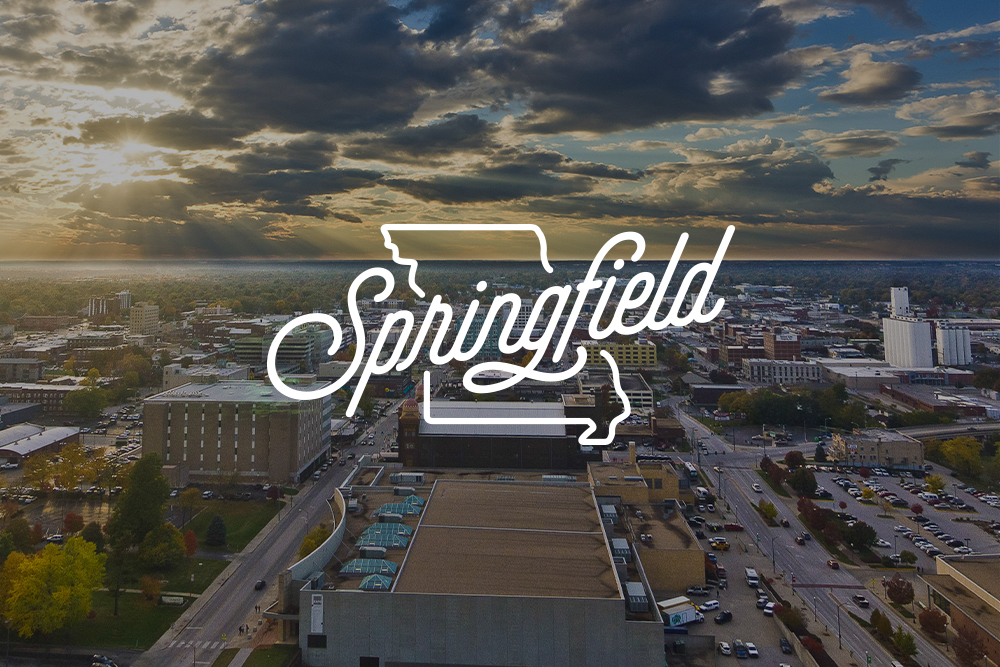
Springfield, Missouri (www.springfieldmo.org)

The Branson boon began to wane as the 20th century ended, although Highway 76 is still filled with a multitude of tourist attractions and theaters and all the trappings that accompany them. Fortunately, nearby Springfield continued to be a music town, although it never aspired to be like Branson. Many people here maintain, and I would agree, that the Springfield music scene is more authentic, with only minimal interest in attracting tourists. We have certainly seen our share of that authenticity. The first band we heard in Springfield was on New Year’s Eve 2018 at Moon City Pub on Commercial Street, which was also the location of the weekly open mic night I would begin attending. The name of the band was Mood Ring Circus, an ensemble of four twenty-something guys who were gifted musicians, singers, and songwriters performing their original, hard-driving tunes. We were blown away. As it turned out, the lead singer for the band was also the host of the aforementioned open mic night. His name is Justin Larkin. The pub closed down during COVID, and the owners sold it; however, Justin has continued to host open mic jams at several locations around town.

We have become good friends with Justin and his family. He has produced and recorded me performing several of my own original songs and a few covers in his garage studio. He plays multiple instruments on the recordings and sings harmony parts. This year we are working on a song we wrote together titled “Miles of Time,” which is an absolute rush for me. Justin is about the only person I know personally who makes his living performing music. He plays mostly in southwest Missouri but occasionally tours through the western states playing in clubs, breweries, and restaurants. He is immensely talented as a musician, vocalist, and songwriter. His music is streaming on multiple platforms, and he has his own website at https://justinlarkinmusic.com/

The second musical group we heard was a married couple, Shannon Stine and Natalie Wlodarczyk, two women who call themselves The Shandies. They both play guitar and sing, performing mostly in southwest Missouri. The Shandies are wonderful songwriters, musicians, and vocalists. They have a dedicated page on Spotify. Their shows are a nice mix of their own music and eclectic selections of mostly soft Americana tunes from the last fifty years. The third performer we heard was a solo act, a guy named Dallas Jones. Equally talented on the guitar and the keyboard, Dallas has a voice that could have come straight out of Nashville. He is also a multi-generation cattle farmer. It has been a pleasure getting to know him over the past few years. The genres of music we are drawn to are similar, which include pop, soft rock, and country from the last fifty of so years. Although I am older than Dallas by a couple of decades, we both cut our musical teeth on the folksy tunes of John Denver. Dallas did me the great honor of playing and singing with me for a set at one of my gigs in town early in 2023. Dallas also has a dedicated page on Spotify.

One of the performers I met and befriended at various open mic sessions in town is a guy named Brian Pitts. He’s only a few years younger than I am, so we grew up listening to a lot of the same kind of music, mostly rock and pop music from the late 1970s and into the ‘80s. Brian was the front man in a touring band back in the ‘80s but fell out of performing for about 30 years to raise a family and build a career. He has a great voice and is an accomplished drummer. During the COVID pandemic, Brian really concentrated on learning how to play the guitar well enough to accompany himself singing. His efforts paid off, and we began to harmonize with one another during our respective open mic sets. People began to compliment us on how tight our harmonies were, so we decided to work up a few sets and put together a duet vocal show, with Brian on guitar and me swapping back and forth with guitar and keys. He came up with the clever name, “Openly Gray.” Brian is really striking while the iron is hot. He has joined several different acts: an Eagles tribute band, a Yacht Rock band, and a Hall & Oates tribute band. His vocals are excellent for these genres.

There are far too many solo and group performers in the Springfield area for me to include in this post, but here are a few more. I am only including people here who perform regularly. All of these people have either their own websites or pages on online musical platforms and/or social media.

Joe Dillstrom and his band, The Paper Moons – a multitalented solo musician, vocalist, and songwriter who also performs with a group playing soft jazzy and romantic classics.

Molly Healey – a looping violinist, cellist, guitarist, pianist, and singer-songwriter who tours with the Ozark Mountain Daredevils, the most famous band to come out of Springfield; she often serves as a recording session musician for soloists and ensembles in the Ozarks; she also has a regular Sunday evening gig with Dallas Jones in town.

Red Light Runner – one of the best cover bands in Springfield, featuring the powerful vocals of Drew Beine and the phenomenal guitar skills of Steven Sparks, who also plays in multiple bands, including Mood Ring Circus mentioned above.

Paul Thomlinson and Innuendo – another incredible cover band in town; Paul is a killer guitarist and vocalist who is a front man for the Eagles tribute and the Yacht Rock bands that Brian sings with, plus he is the other half of the Hall & Oates tribute band with Brian; Paul is also an intelligent, all-around great person.

Devlin Pierce and the Song – Devlin is a fine songwriter and guitarist with one of the most powerful voices around.

David Hoover – an Ozarker at heart who channels James Taylor and Jim Croce like no one I’ve ever heard; David is one of the best acoustic guitar players in the area.

Trent Prewitt – in his early twenties with his eyes on the prize of becoming a hit in Nashville; Trent has a wide-range country voice and is comfortable on both guitar and pedal steel; he is a songwriter and also plays occasionally with a few local bands.

Michael Evens – a sweetheart of a guy with the voice of an angel; Michael plays multiple instruments and has been a big part of the open mic scene behind the curtain in several locations in Springfield.

Don “DR” Randolph – at last, someone older than I am! DR has been playing and singing music with multiple bands in the area for decades; he is one hell of a bass player and a mainstay in the jam band of mostly older rock and country players that hosts an open mic session on Monday nights in town.

Rory Joyce – I cannot end this post without mentioning the man who hosted one of the open mic jams in town; he inspired and encouraged many of the amateurs in the area and was quite an accomplished musician and vocalist; sadly, Rory died in 2022, but his legacy lives on at the open mic night he started and built in Springfield.

A Musical Tribute to Flannery O’Connor

During the early stages of the COVID pandemic in 2020, I wrote a pop song as a tribute to Flannery O’Connor’s brilliant short story, “A Good Man Is Hard to Find.” Those who know me best will not be surprised that I would do such a thing. She is my favorite author, and I think she was a comic genius – far ahead of her time.

If Flannery O’Connor and Cormac McCarthy had a love child delivered by Neil Young, I can imagine this is what it would sound like when the baby cried. The title of the song is “I Just Don’t Fit.” I decided on a western-style tune to give it some distance from O’Connor’s South, but the darkness is still there.  It’s probably enough to turn Bruce Springsteen’s stomach, but it’s the best I can do with what I have.

Here is a link to a YouTube recording of the song. The lyrics are printed below.
https://youtu.be/8zkRxEC4_Fk

Me – vocals, lyrics, music, and acoustic guitar
Justin Larkin – harmony vocals, electric guitar, bass, drums, mixing, and recording. (Lyrics and performance copyrighted 2021; all rights reserved)

Here’s to clean spectacles and parrot-print shirts.

“I Just Don’t Fit”

(Verse 1)
My father called me a different breed, and I guess that’s what I am
I must have done a mighty evil deed that even Jesus can’t comprehend
You think that if I pray
You can walk away
But everything’s out of balance now with too many debts we can’t pay

(Chorus)
Something must be missing ‘cause I just don’t fit
No reconciliation so I shoot from the hip
If you’re looking for a good man you might as well quit
Something must be missing ‘cause I just don’t fit

(Verse 2)
I’ve tried my hand at so many things, and I’ve seen my share of pain
You’re gonna need more than common blood if you want to wash away that stain
Can’t accept the fall
Until you lose it all
The undertaker never gets a tip; the remittance is always too small

(Chorus)
Something must be missing ‘cause I just don’t fit
No reconciliation so I shoot from the hip
If you’re looking for a good man you might as well quit
Something must be missing ‘cause I just don’t fit
No, I just don’t fit

(Instrumental verse solo)

(Chorus)
Something must be missing ‘cause I just don’t fit
No reconciliation so I shoot from the hip
If you’re looking for a good man you might as well quit
Something must be missing ‘cause I just don’t . . .

(Final Chorus)
Something must be missing ‘cause I just don’t fit
No reconciliation so I shoot from the hip
I can walk away and leave you bleeding in the ditch
Something must be missing ‘cause I just don’t fit
No, I just don’t fit